

Nike football boots span four current silos, and picking the wrong one is the easiest mistake to make on a £250 pair. The Mercurial (Superfly and Vapor) is built for straight-line speed. The Phantom is built for control on the ball. The Tiempo Maestro is built for comfort over 90 minutes. Worn by Ronaldo, Mbappe, Haaland and Van Dijk between them, but the boot that suits a Champions League forward doesn’t automatically suit you. This guide breaks down which silo fits your game, which tier (Elite, Pro, Academy or Club) is actually worth the money, and links you straight through to the full review for whichever one you land on.
If you just want the answer: Best Overall is the Mercurial Vapor Elite. Best Speed is the Mercurial Superfly Elite. Best Control is the Phantom 6 Elite. Best Comfort is the Tiempo Maestro Elite. Full reasoning and every tier below.
FootballBoots has been testing and reviewing football boots since 2010. Founder Ian Ebbs has over fifteen years in the football industry, hosts a YouTube channel with 1.5 million subscribers, and wrote How To Choose Your Boots. This guide is written from hands-on testing, not manufacturer copy: every recommendation above reflects what we’ve actually noticed wearing these boots, not Nike’s marketing language.


What You’ll Find On This Page:
- Editor’s Picks
- Boot Models – Superfly, Vapor, Phantom, Tiempo & Premier
- Nike Fit Guide
- Which Silo Suits You?
- Nike Boot Reviews
- Boots by Positon
- The Latest Nike Releases
- Which Players Wear Nike Boots?
- Different Price & Quality Levels – Elite, Pro, Academy, Club
- Frequently Asked Questions
- Children’s Nike Options
- Old Nike Boots
Editor’s Picks

Mercurial Vapor Elite
The most worn boot in the world, across every level of the game.
Read the review
Mercurial Superfly Elite
The Swoosh’s flagship speed boot, built for explosive acceleration.
Read the review
Phantom 6 Elite
Gripknit upper for cleaner touch receiving under pressure.
Read the review
Phantom High Academy
Most of the control identity, a fraction of the Elite price.
Read the review
Tiempo Maestro Club
The cheapest way into Nike’s most forgiving, comfort-first boot.
Read the reviewWhat Football Boots Do Nike Make?
Nike’s current football boot lineup is as varied as its number of star players. Currently, the brand silos are the Mercurials (Superfly 11 and Vapor 17), Phantom 6 (DF and low-cut) and Tiempo Maestro. They each come in Elite, DF, Pro, Academy and Club editions, more about those options below…

The Mercurial is one of the most iconic of all time and known for being a speed boot. Brazilian striker Ronaldo made them popular, with Cristiano Ronaldo taking the mantle to new heights.
Nike Mercurial Superfly

One of the the Swoosh’s flagship speed boots, the Mercurial Superfly showcases the latest and greatest innovations of Nike football boot technologies.
Mercurial Vapor

The Vapor is the most popular boot in the world, worn by lots of professional footballers worldwide and by superstars like Vini Jr.
Phantom 6

Worn by Erling Haaland, Mason Mount and Phil Foden this is the collarless version of the Phantom, ideal for those who want the Gripknit upper without the sock.
Phantom 6 DF

The Phantom is designed for the skill players, with a grippy upper, the DF pairs have a sock collar and are worn by fewer pro players than the low.
Tiempo Maestro

The Tiempo is Nike’s heritage leather boot, offering comfort and tradition. The silo is worn by Virgil Van Dijk and Jamal Musiala.
Premier


Soon to be phased out as Nike goes all in on synthetic leather, the Premier is the last remaining retail option from the Swoosh brand for a pair of premium K-leather boots.
Nike Remakes
The brand also do some remakes from time to time. Take for example the T90. Edgar Davis revealed the Nike T90 III reissue at Travis Scott’s Nike event last November 2024. It wasn’t going to be a full remake though as it was redesigned for 5-a-side games.
Another Nike silo to have a remake is the Hypervenom Phantom 1. The upper is indeed one-to-one, but the outsole borrows the Hyperreactive tooling of the Hypervenom 3.
Nike Fit Guide
| Boot | Width | Overall fit | Best player type | Notes |
|---|---|---|---|---|
| Superfly | Narrow to medium | Aggressive, locked-down, tight toe box | Direct wingers, pace-focused forwards | Runs snug. If you’re between sizes, go half up rather than down. |
| Vapor | Narrow to medium | Even thinner underfoot than Superfly, minimal structure | Wingers and full-backs who want the lightest possible speed feel | Least forgiving boot on this table under second-half fatigue. |
| Phantom | Medium, slightly wide forefoot | Accommodating, softer wrap around the foot | Attacking midfielders, technical wingers, players receiving under pressure | The forgiving pick if Mercurial has ever pinched by the 60th minute. |
| Tiempo Maestro | Medium to wide | Forgiving forefoot, softest overall shape | All-round midfielders, defenders, comfort-first players | Widest fit here by default. If it’s still tight, see our wide feet guide. |
| Model | What you’ll notice | Pitches | Read the review | Check latest price |
|---|---|---|---|---|
| Mercurial Superfly Elite |
 Nike calls this FlyWeave Ultra. What you actually notice: a locked-in wrap through the midfoot with none of the stretch you get on the Pro’s Flyknit, so directional cuts feel instant rather than delayed. Best suited to players who commit fully to every sprint, not those still finding their pace. Nike calls this FlyWeave Ultra. What you actually notice: a locked-in wrap through the midfoot with none of the stretch you get on the Pro’s Flyknit, so directional cuts feel instant rather than delayed. Best suited to players who commit fully to every sprint, not those still finding their pace.Exposed Air Zoom outsole for a low, sprung-off-the-floor push. |
 |
Read the review | Check latest price → |
| Mercurial Vapor Elite |
Nike calls this AtomKnit. What you actually notice: a thinner, more direct contact feel than the Superfly’s FlyWeave, closer to a sock than a boot. Best for players who want to feel the ball and the ground with almost nothing between them. Flylite outsole shaves weight for the last few yards of a sprint. |
|
Read the review | Check latest price → |
| Phantom Elite (Low) |
Nike calls this Gripknit. What you actually notice: cleaner first touch receiving under pressure, the ball doesn’t skid off the upper the way it does on smooth synthetic. Best for players who are judged on their next pass more than their next sprint. Cyclone 360 outsole for the tight turns that come with that control. |
|
Read the review | Check latest price → |
 Phantom High Elite Phantom High Elite |
Same Gripknit control as the Low, plus a sock collar. What you notice: extra ankle lockdown on sharp turns, at the cost of the Low’s easier on/off. Best for players who’ve felt their heel slip during hard direction changes. Cyclone 360 outsole, same as the Low. |
 |
Read the review | Check latest price → |
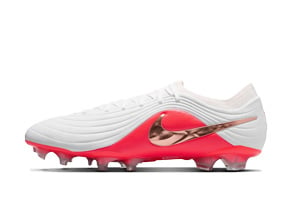 Tiempo Maestro Elite Tiempo Maestro Elite |
Nike calls this Tech Leather. What you actually notice: a softer strike than any synthetic on this table, the closest thing Nike sells to the old K-leather feel. Best for players who’d rather trust their touch than chase marginal speed gains. Hyperstability outsole keeps the ride planted rather than reactive. |
|
Read the review | Check latest price → |
We are an independent review site, we may earn commission when you buy through links on our pages.
Which Nike Silo Suits You?
Mercurial Superfly
- Best for
- Direct wingers and pace-focused forwards attacking space behind the defence.
- Avoid if
- You have wide feet or need a boot that stays comfortable as your feet swell late in a match.
- Typical playing style
- Explosive, direct, repeated sprinting into space.
- Suitable positions
- Winger, striker, attacking full-back.
Mercurial Vapor
- Best for
- Players who want the same speed identity as the Superfly in a lighter, more minimal build.
- Avoid if
- You want more underfoot cushioning across a full 90 minutes.
- Typical playing style
- Reactive, direct, transition-based attacking.
- Suitable positions
- Winger, striker, attacking full-back.
Phantom
- Best for
- Players who are on the ball more than they’re sprinting in behind, composed receiving under pressure.
- Avoid if
- Raw straight-line acceleration is the main thing you need from a boot.
- Typical playing style
- Controlled, technical, possession-focused.
- Suitable positions
- Attacking midfielder, winger, forward.
Tiempo Maestro
- Best for
- Players who want comfort and a reliable touch over 90 minutes, not the sharpest tool in the bag.
- Avoid if
- You need the sharpest possible acceleration on the pitch.
- Typical playing style
- Consistent, calm, possession-based.
- Suitable positions
- Central midfielder, defender, all-round players.
Nike Boot Reviews
Below we have reviews of all of Nike’s Elite boots, take a look and work out which is best for you? Get your FREE Boot Secrets guide so you can work out which is best for you!
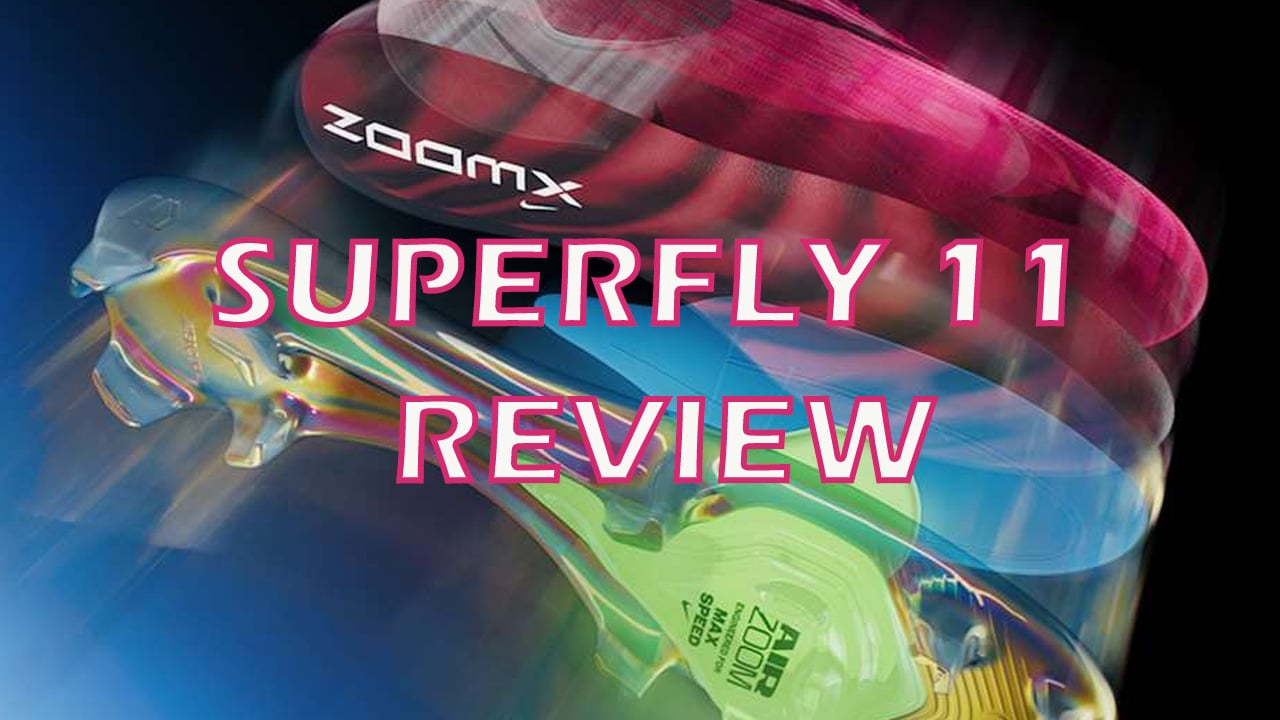
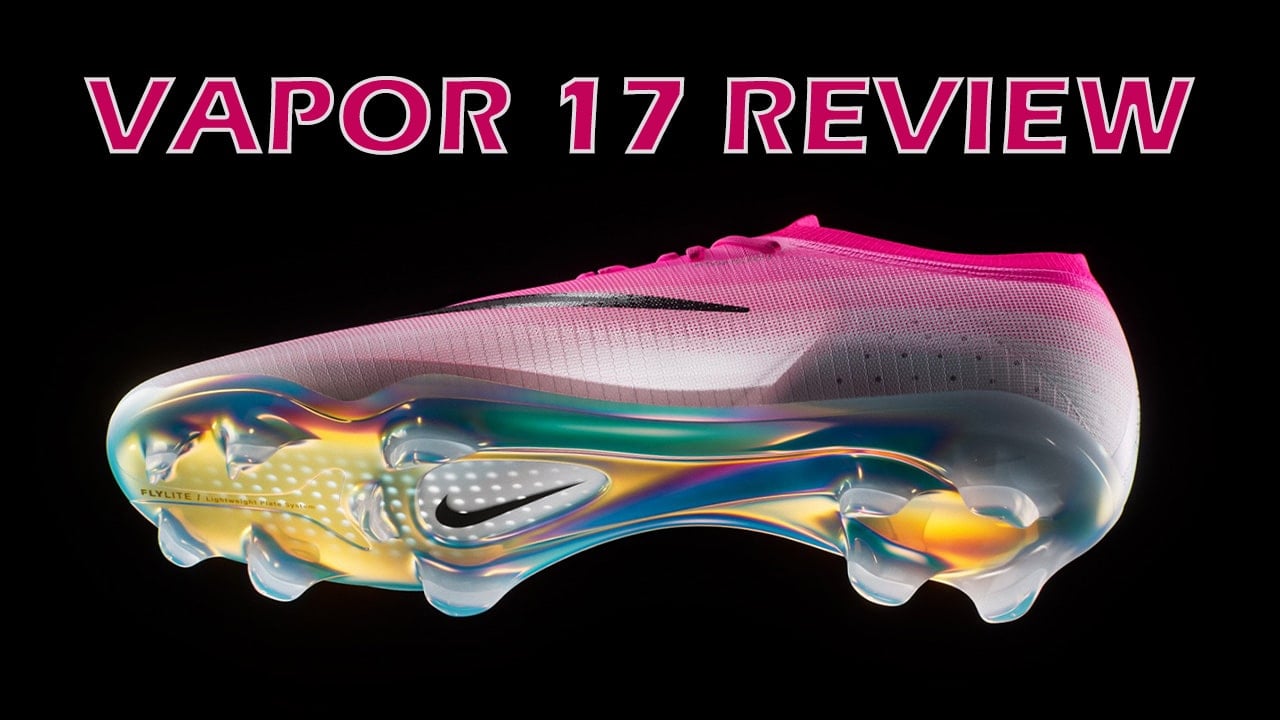
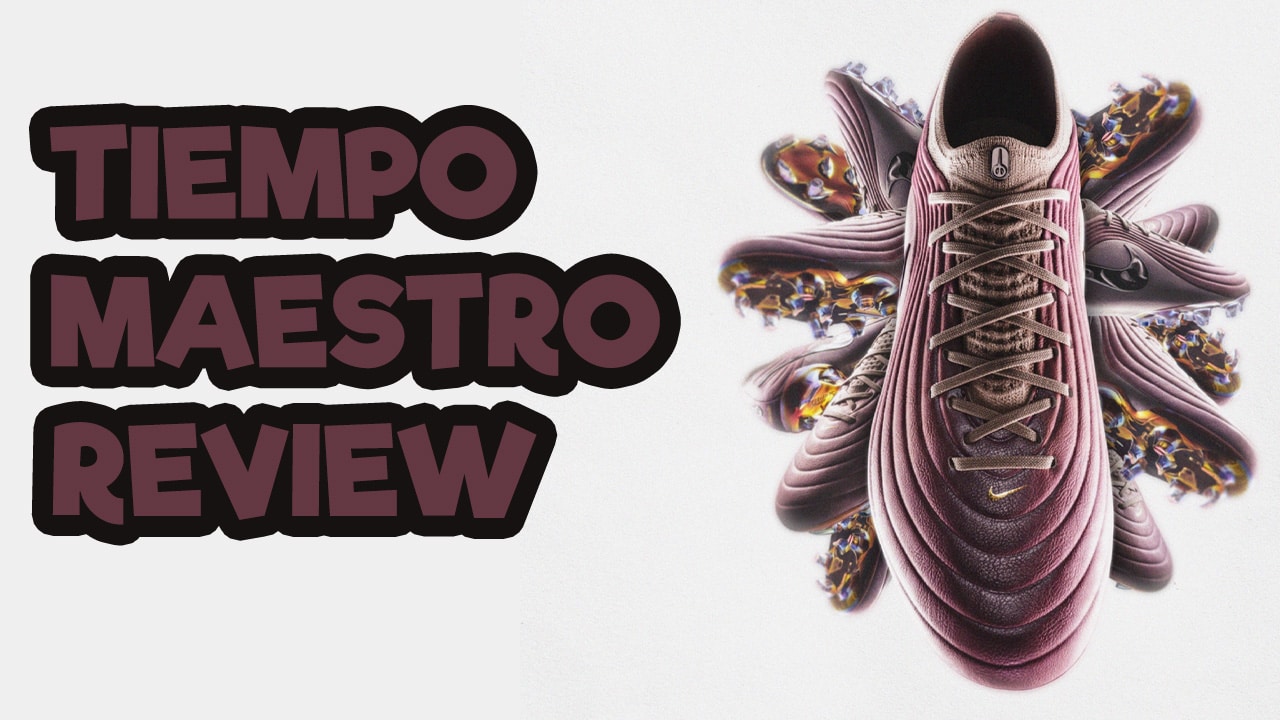


Superfly
Choose if you want speed and separation, attacking space in behind.
Read the review →
Vapor
Choose if you want that same speed identity in a lighter, more minimal build.
Read the review →
Phantom
Choose if you want control and composure on the ball under pressure.
Read the review →
Tiempo
Choose if you want natural comfort and a boot that disappears on your foot.
Read the review →Boots By Position
Looking for boots for your position? Nike’s four silos suit different roles unevenly: a Tiempo Maestro that’s perfect for a centre-back is the wrong call for a winger. These guides cover every brand, not just Nike, for a fuller picture at your specific position:
Latest Nike Boot Packs
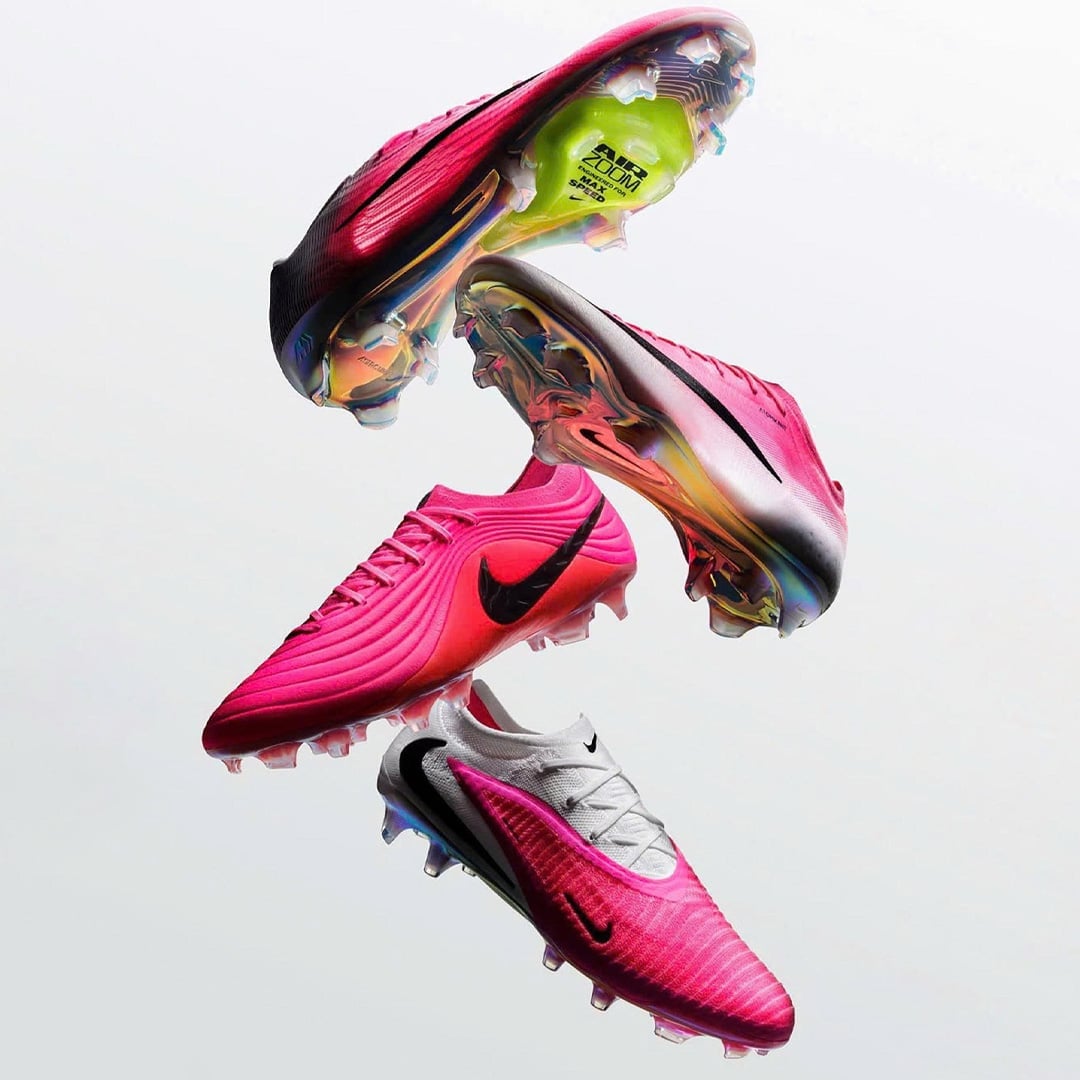
Recent colourways only, kept focused on what’s current. Nike Shadow 2026, Scorpion, Cactus Jack, Breakout and Break Em are covered below.
Break Em


A couple of things stood out for Nike’s 2026/27 season-opening pack. One was that the Superfly and Vapor felt even more distinct now given the difference in their base colour. Second was that the pack seemed to have paired the Superfly with the Tiempo given their white base, while the Vapor partnered with the Phantom in displaying a red one. Speaking of the Phantom, its colour dynamic was very similar to that of the Phantom GX in the 2023 Ready Pack. Regardless of the silo, the Nike Swoosh took some attention by way of its metallic shimmer.
Shadow 2026


Nike updated their permanent black boot option of Shadow collection in 2026. The move included the new-gen Superfly 11 and Vapor 17, which were also released in the same year. Shadow 2026 applied a uniform look of having the bright green accent applied only through the Swoosh. Both Mercurials have their Swoosh applied graphically while the Tiempo and the Phantom had theirs in 3D form.


Scorpion


Nike looked back to the iconic 2002 Secret Tournament campaign in this special launch of the Superfly 11 and Vapor 17. As such, the Swoosh brand overlaid a scale design over a primarily gradient colourway of pink and purple. This was to pay tribute to the Scorpion being the symbol of such memorable football marketing that involved multiple football superstars at that time.
Cactus Jack

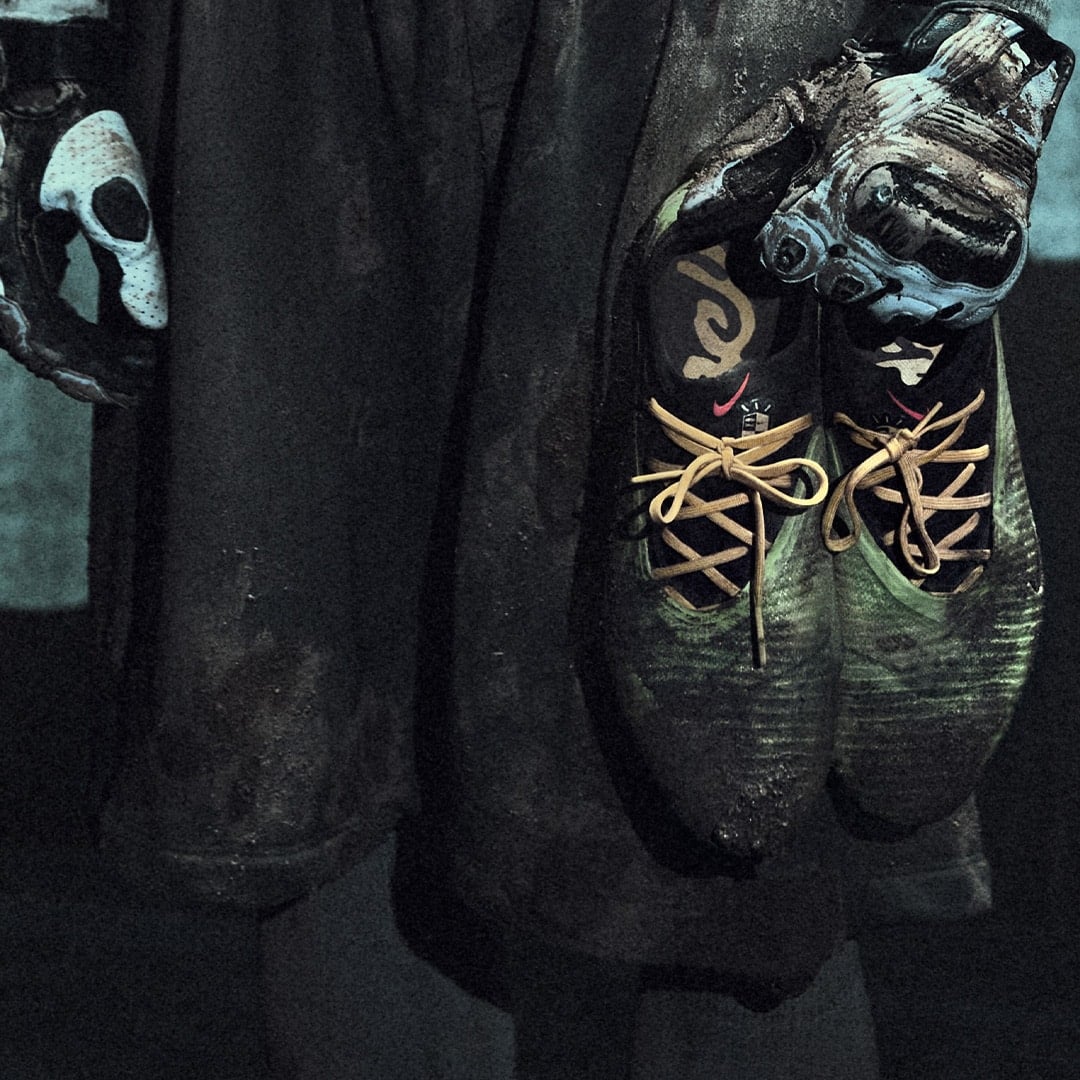
As the name of the release implied, this Phantom 6 was a product of Nike’s collaboration with Travis Scott. Main highlights as far as looks were concerned were the bright green spanning the Gripknit upper and the quarter, which had a textured surface as a further nod to the record label Joining this reference was the texture on the dimmed gold Swoosh and the graphic on the iridescent outsole.
Breakout

Who Wears Nike Boots?
The most popular brand of choice amongst pro players, wearers include:

Cristiano Ronaldo
Original headline wearer of the Nike Mercurial, he would have regular special editions for big tournaments & achievements and wore the Dream Speed editions too, in recent times he has been taking a step back from being the face of Mercurial.

Kylian Mbappe
New contender to the Superfly throne, Mbappe has his own Signature collection and has also worn the GS360 and other Limited Nike boots, as well as the MDS 001 to 008.
Virgil Van Djik, Jadon Sancho, Frenkie De Jong, Kevin De Bruyne, Phil Foden, Marcus Rashford, Bruno Fernandes, Robert Lewandowski are amongst the other professional names wearing Nike boots.
What is difference between Nike; Elite, Pro, Academy & Club?
Ever wondered what makes a Nike pair of shoes get an Elite or Academy label? We will tell you about these different labels and what to expect from each version….
The Elite are the best available pairs, as worn by professional footballers. Then you get the Pro, Academy, and Club as take-down versions (in that order from highest to lowest). As you go down each level, some if not all the features in the Elite are either re-configured or removed. This reduces the price each to time you go further down the tiers.
Elite versions all have ACC treatment, a technology applied to the upper to maintain your touch and control on the ball in wet or dry conditions. The Pro, Academy and Club do not have this coating applied to them.
Pro Nike Boots
The Nike Pro boots are the first set of boots under the Elites that represent minor changes from the top-tiers to bring down the price by around £100. Understanding these will help you work out if you can get more value for money by going to the Pro boots instead.
| Model | What you’ll notice | Pitches | Read the review |
|---|---|---|---|
 Mercurial Superfly Pro Mercurial Superfly Pro |
 Flyknit upper with DF collar, noticeably less locked-in than the Elite’s FlyWeave Zoom Air limited to the heel |
|
Read the review → |
 Mercurial Vapor Pro Mercurial Vapor Pro |
Flyknit upper, thicker underfoot than the Elite due to the inner board Zoom Air limited to the heel |
|
Read the review → |
 Phantom High Pro Phantom High Pro |
Engineered mesh coated with Nikeskin plastic, structured but not the Elite’s Gripknit |
|
Read the review → |
 Phantom Low Pro Phantom Low Pro |
Same engineered mesh as the High Pro, without the collar |
|
Read the review → |
 Tiempo Ligera Pro Tiempo Ligera Pro |
Same Techleather as the Elite, closest Pro-tier feel to its Elite counterpart of the three silos here |
|
Read the review → |
The Mercurial Pro gives significant value for money considering it does feel good, though arguably not as premium as the Elite. That is because the Flyknit upper does not have that Gripknit technology. The Pro Mercurial limits the Zoom Air unit to the heel, with the rest of the outsole traditionally reinforced with an inner board. This makes the Pro less lightweight than the Elite.
It’s unfortunate that Nike is not able to pass on Gripknit to the Pro-level Phantoms. What you get is an engineered mesh coated with a Nikeskin plastic. It’s soft enough for comfort but does have a more structured feel. The quarter is comprised of a neoprene fabric that compress nicely to the foot shape. For those that find the Elite’s soleplate too flexible, the Pro is a welcome change because of its stiffer, more stable midfoot. And while the top GX model has a heel structure where the counter is limited to just the sides for the sake of comfort, the Pro opts for an internal heel counter to perhaps focus back on lockdown instead.


If the Mercurial Pro already gives value for money, wait ’til you get the Tiempo Pro. There is no difference between the Techleather material used for the Pro and for the Elite. Changes occur on the peripheries, and they appear to be insignificant to really differentiate the Pro. There are cutouts on the conical studs, though we doubt that really does much in affecting the feel of the traction.
Among the three, the Tiempo Ligera Pro is the one most similar to its Elite counterpart in terms of feel. The Phantom Pro, as mentioned above, has a soleplate that has a rigid midfoot as opposed to the flexible one on the Elite. Mercurial Pro’s tooling feels relatively thicker because an inner board takes up the space left by the Zoom Air unit, which is now limited to the heel. No changes on the stud layout from any of the Nike Pro boots.
Nike Academy Boots
The Academy boots are usually the most sold as they provide the good balance between budget and functionality. You can click on the the images below to go straight to our Academy reviews.
| Academy Model | What you’ll notice | Pitches | Read the review |
|---|---|---|---|
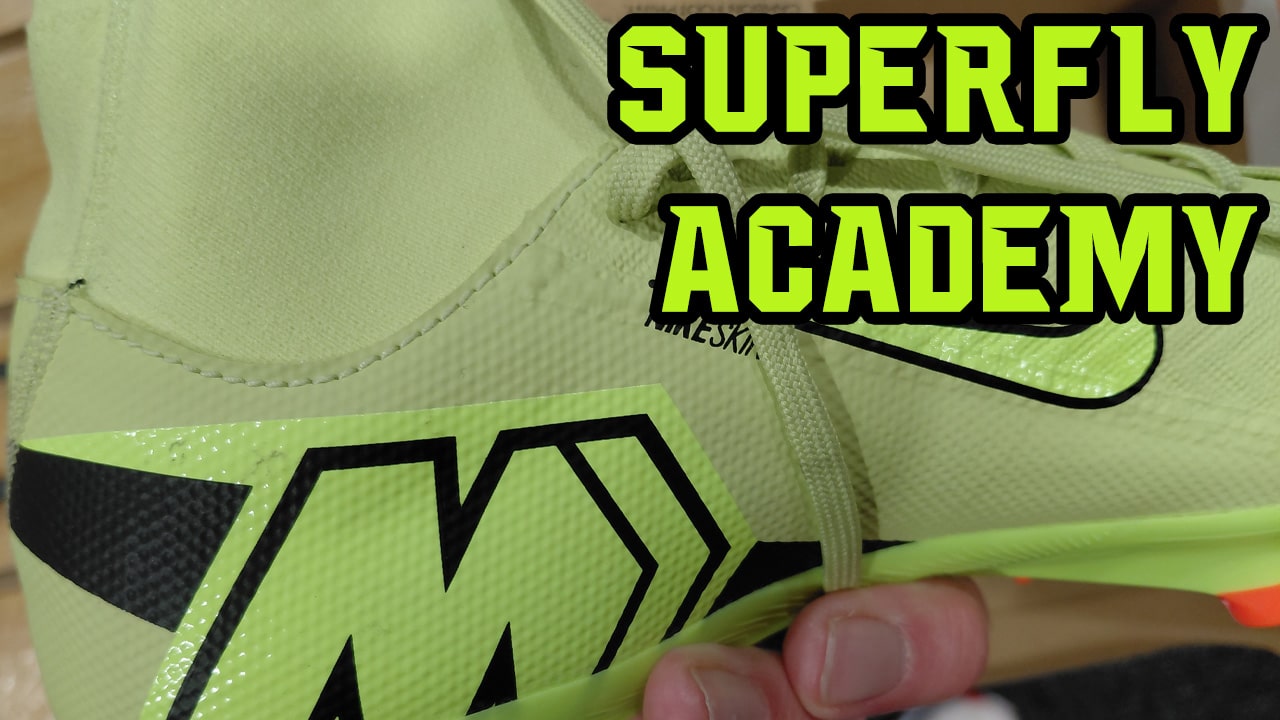
 Mercurial Superfly Academy Mercurial Superfly Academy |
 Nikeskin upper with collar and heel Air Zoom bag, noticeably firmer than the Elite’s knit |
|
Read the review → |
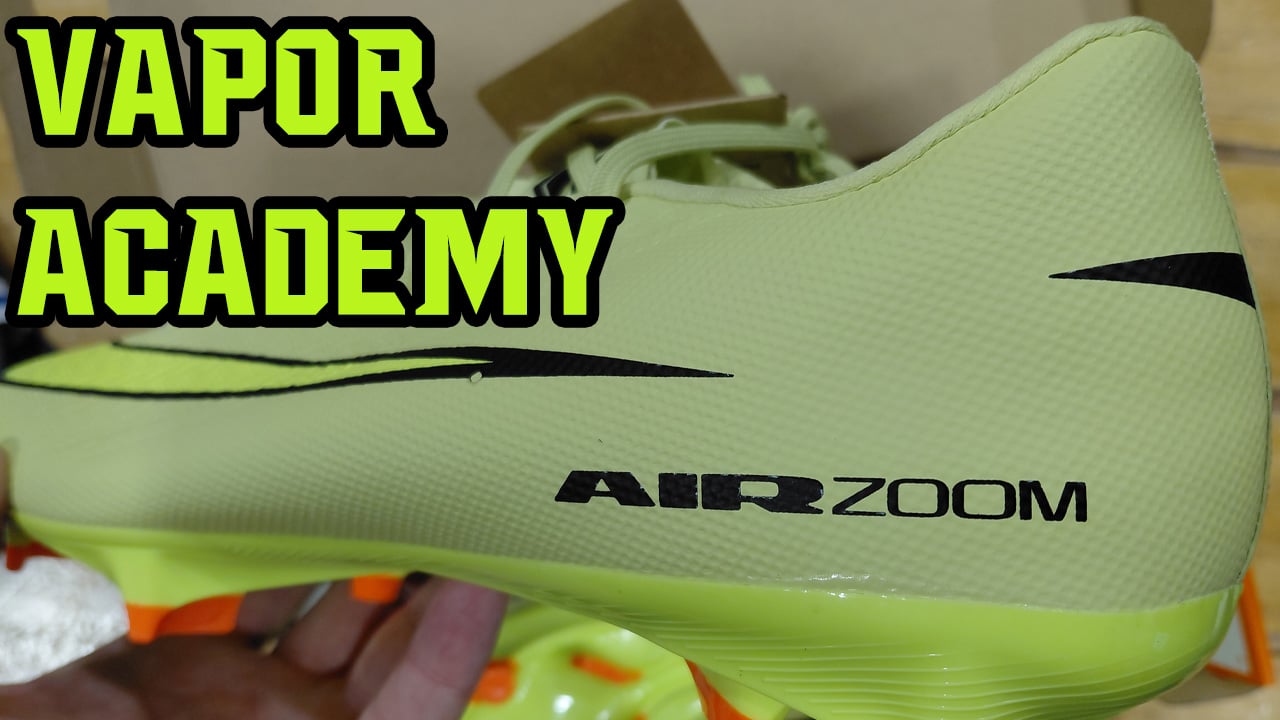
 Mercurial Vapor Academy Mercurial Vapor Academy |
Nikeskin upper and heel Air Zoom bag |
Read the review → | |
| Phantom High Academy |
NikeSkin upper with collar, most of the Elite’s control feel at a third of the price |
Read the review → | |
 Phantom Low Academy Phantom Low Academy |
NikeSkin upper, no collar |
Read the review → | |
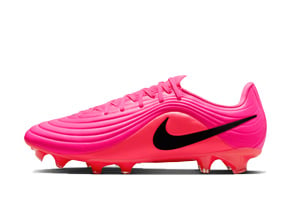 Tiempo Maestro Academy Tiempo Maestro Academy |
Flytouch leather, softer than most synthetics at this tier |
Read the review → |


Club Options
Quality-wise, I feel it’s better to save up some more and look at other available boots, most especially those Elite old colourways or generations that are now discounted. You are also better served by at least considering the Academy model. The Club still serves its purpose, especially for really young players and if you are simply looking for the cheapest boot possible to get started.
| Club Model | What you’ll notice | Pitches | Read the review |
|---|---|---|---|
 Mercurial Superfly Club Mercurial Superfly Club |
 Textured synthetic materials, textile collar, generic fit |
|
Read the review → |
 Mercurial Vapor Club Mercurial Vapor Club |
Synthetic upper, MG outsole |
Read the review → | |
 Phantom High Club Phantom High Club |
Textured synthetic materials, textile collar |
Read the review → | |
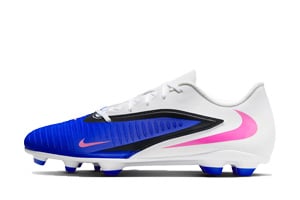 Phantom Low Club Phantom Low Club |
Textured synthetic materials |
Read the review → | |
| Tiempo Maestro Club |
Textured synthetic materials, the most forgiving fit at this tier |
Read the review → |
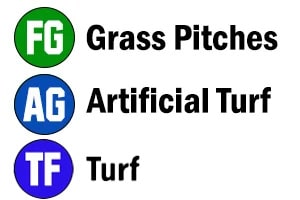
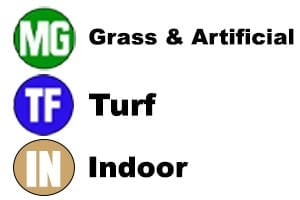
For the Club, Nike uses a generic synthetic material, and the brand simply adopts texturing and graphic techniques to make them look like the Elite model. With a generic material also comes a generic fit. Club boots are multi-grounded by default, this means they can be worn on firm grass and artificial pitch surfaces, there are also models with TF outsoles for those playing in older generation, carpet-like synthetic grass pitches.
Frequently Asked Nike Boot Questions
What are the best Nike football boots?

The Elite models, with all the features, technology and benefits as worn by professionals. For most players, that means the Mercurial Vapor for speed, the Phantom for control, or the Tiempo Maestro for comfort.
What are Nike Academy boots?
Academy boots are a cheaper alternative that look like those worn by pros but with less quality materials and technology.
What are Nike Elite boots?
The top-end, most expensive models, including all the premium materials and technology, worn by professional players.
Which Nike boots do professionals wear?
Cristiano Ronaldo and Kylian Mbappe wear the Mercurial Superfly. Erling Haaland, Mason Mount and Phil Foden wear the Phantom. Virgil Van Dijk and Jamal Musiala wear the Tiempo Maestro.
Are Nike boots narrow?
The Mercurial line (Superfly and Vapor) runs narrow to medium with a tight toe box. The Phantom is more accommodating through the forefoot. The Tiempo Maestro is the widest fit of the four, medium to wide with a forgiving forefoot.
Which Nike boots suit wide feet?
The Tiempo Maestro is the best starting point, followed by the Phantom. If either still feels tight, see our full wide feet guide at https://www.footballboots.co.uk/widefeet.html
Superfly vs Vapor: what's the difference?
Both are speed boots from the same Mercurial family. The Superfly uses FlyWeave Ultra for a more locked-in wrap; the Vapor uses AtomKnit for a thinner, more minimal, more direct feel. The Vapor is the lighter and more widely worn of the two.
Elite vs Pro vs Academy: what's actually different?
Elite has ACC treatment for wet-weather touch and the lightest soleplates. Pro removes ACC and adds an inner board that makes the boot slightly heavier. Academy and Club move to cheaper synthetic uppers and simpler soleplates, losing the Elite's touch and grip technology in the process.
Are Nike boots true to size?
Generally yes, though the Mercurial line runs snug enough that half a size up is worth considering if you're between sizes. See our size guide at https://www.footballboots.co.uk/size.html for brand-by-brand notes.
Not sure what style, colour or even size shoe to buy? Consider a Nike Gift card as a gift this year – Physical Card in a box to open or Digital version by email available.
Why Are Nike Boots at different price points?
The technology and quality of material varies between boots. An Elite Phantom for instance has the Nike-proprietary Gripskin technology, a special variation of Flyknit with integrated sticky yarns for enhanced ball grip. Such is not the case on the Pro and Academy versions, which does not have the sticky upper and instead resorts to cheaper mesh material with a plastic coating overlay.
Elite boots have the lightest soleplates, with technology removed or the quality reduced, as you move down the scale.
Academy sole-plates often only come in mixed soles (MG) a combination of Firm Ground and Artificial to suit both surfaces. FG and AG are on Elite pairs, with soft ground (SG) only on some tiers, Anti Clog tech only comes as standard.
Designed for different styles; the Nike Mercurial silo suits Speed, Phantom Skill and Tiempo for Comfort. Elite, Pro, Academy and Club at full retail price are around £250, £140, £80, and £60.
A popular choice amongst professionals and amateur players alike, if you like the look of Nike boots, then we can help you find a pair that will fit and perform to your expectations. There are different styles for speed, skill and comfort, and varying options for different price points with different materials and technology, hence the new Elite, Pro, Academy and Club naming convention as well as DF for used to indicate Dynamic Fit collars.
Nike’s Jr. Boots For Kids
Nike football boots for Kids come in all of the brand’s current lineup: Mercurial Vapor and Superfly, Phantom, and Tiempo Maestro. To cater to the level of physical demand in kids football, the features available in each silo have been made tailor-fit. The highest tier for a Nike Jr’s boot is capped at the Pro level, and there are times that some silos only reach the Academy tier.
A history of Old Nike Boots
Besides the current lineup, Nike’s dominance on the pitch had been carried out by some of the most recognised boots in the history of the game.

Phantom Venom
Nike’s strikers replacement for the Hypervenom Phantom (Kane, Rashford, Lewandowski)

Phantom Vision
Phantom VSN 2 – Quadfit, Ghost Laces (De Bruyne)
The Phantom Vision and Venom were Nike’s power and control boots respectively. It was no surprise that strikers like Lewandowski and Kane were proud wearers of the Phantom VNM while midfielders De Bruyne and Havertz were picked to play with the Vision. These two boots have since been superseded by the Phantom GT a boot designed to work for Venom and Vison wearers together.

Hypervenom Phantom
With a revolutionary NikeSkin upper and designed for a new breed of attack like Neymar Jr.
No one can forget the Hypervenom which introduced a soft and supple, mesh-based Nikeskin upper that was never before seen at that time. It had Neymar for it’s launch and was immediately worn by other stars like Ibrahimovich and Rooney. Despite some early reservations with the replacement of the beloved T90 series, players became receptive to the Hypervenom eventually because of its revolutionary technology.

Magista Obra
The first boot with a flyknit upper, the Magista Obra was designed as a midfielders control boot.
Nike’s patented Flyknit technology was engineered for football for the first time with the release of the Magista, the Magista’s Flyknit upper enabled the boots to have a more direct feel for the ball and none other than the technically savvy Iniesta had become the face of the silo. But perhaps the most spectacular highlight in Magista’s lifetime would be Mario Gotze scoring the winning goal in the 2014 World Cup Final wearing them.
T90 Laser
Total 90 was another Nike silo that was beloved by players, it was specifically known for its striking elements and arguably the spiritual predecessor of the Phantom VNM. Spanning a decade from 2000 up to 2011, the T90 had been part of some of football’s greatest moments-Rooney’s bicycle against Man City, Roberto Carlos’ free-kick against China, and Torres’ record-breaking goal against Tottenham for the most goals in a debut season from a foreign player in the Premier League.
The T90 also had iconic ads, capped by the ‘Take it to the Next Level’ 2008 commercial featuring a first-person view of a player’s progression from grassroots football to international level, showing the likes of Cristiano Ronaldo, Ibrahimovic, Ronaldhino, and even legendary manager Arsene Wenger along the way.
CTR 360 Maestri
Tracing the family tree of Nike’s control boots would lead you to one of its roots in the form of the CTR360, constantly being debuted by Cesc Fabregas, it complemented Nike’s other silos at that time like the Total90 and Vapor; lines that were designed for strikers, by being created for playmakers. Specifically for the CTR360, Nike developed a new synthetic leather at that time called KANGALITE that was water-resistant and had better ball feel and touch.
If the Phantom VNM has the T90 and the Phantom VSN2 has the Magista and CTR360, the Tiempo Legend has its start with the likes of the Air Legend. The 2006 boot was made famous by Andrea Pirlo and was also worn by Fabregas and Tevez. It had Nike’s Zoom Air technology which is a cushioning system designed for speed and agility.
Nike Boot History
For the history of Nike Boots, watch our YouTube video here:
Nike Boots UK
Nike boots are available globally with all major releases available in the UK (England, Scotland, Wales & Northern Ireland), Ireland, Europe and into Australia and New Zealand, you can get your pair delivered to most of Asia just ask us.
The well known Swoosh logo and the trademark ‘Just do it’ arrived later in the story of Nike, they began life as Blue Ribbon Sports in 1964, not becoming Nike Inc until 1978, the company made their first soccer shoe in 1971, since many classics have been created including the Tiempo and Mercurial lines, worn by some of the greatest players to play the game, are you next?
