

Wide-foot problems do not appear in a shop. They appear at the 65-minute mark. That is when a synthetic upper that felt fine at kick-off is pressing hard into your smaller toes with every sprint. Or when a sharp recovery run reveals that you loosened the laces so much to create space that your heel is lifting on every stride.
That is the real wide-foot problem. Not sizing charts, not box dimensions. What happens to your feet once you are deep into actual football.
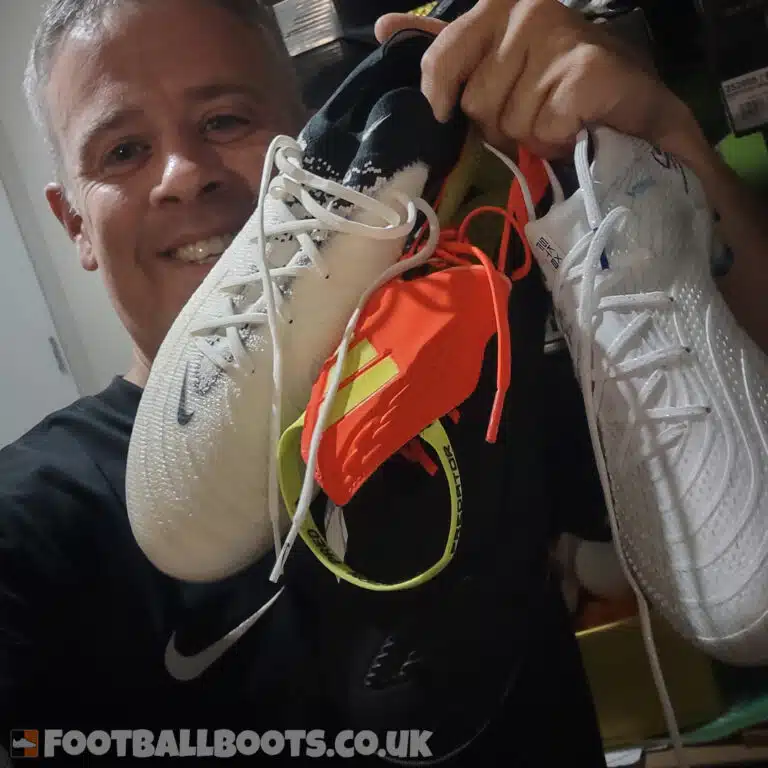
I have wide feet. Not dramatically wide, but wide enough that I have had both of those experiences more times than I would like. I have also spent years testing boots across actual sessions and matches, which means I have a reasonable sense of which boots genuinely accommodate a wider foot and which simply have enough initial slack to feel comfortable while standing still in a shop.
Every boot on this list has been worn in real football. The goal is not to find the widest boot available. It is to find what stays comfortable once the game starts.
The Flyknit upper wraps rather than compresses, so it stays forgiving across a full 90 minutes, even when your feet swell in the second half. It is the most forgiving modern Nike fit for wide forefeet, and our number one pick below.
Check Phantom 6 stock at Nike ↗Best for artificial grass (AG / 3G): Nike Phantom 6 Elite AG
The same forgiving Phantom fit on a soleplate built for artificial grass, so you don’t have to trade comfort for the right studs on 3G. Check Phantom 6 Elite AG stock at Nike ↗
Best for indoor and futsal: Nike Tiempo Reactgato
A soft, accommodating indoor shoe that suits a wide range of foot shapes, with cushioning for long sessions on hard floors. See it in our futsal shoes guide or check stock at Nike ↗
Widest option: New Balance Furon v9 in 2E wide
New Balance is the only major brand making genuine wide-fit football boots. The Furon v9 is the speed boot that runs widest, and it comes in a 2E wide fitting: choose 2E in the width option on New Balance’s product page. Read the Furon v9 review
Best on a budget: Nike Phantom 6 Academy
The most affordable way into the Phantom 6, our top wide-feet pick, at a much lower price than the Elite. The upper is simpler than the Elite’s Flyknit, so you give up a little touch, but you keep the Phantom family’s wide-foot-friendly shape for training and weekend matches. Check Phantom 6 Academy stock at Nike ↗
Buying for a child?
The same rules apply in junior sizes. See our kids wide-fit picks.
Top 11 Football Boots for Wide Feet
Ranked by fit comfort and match-tested performance for wider forefeet
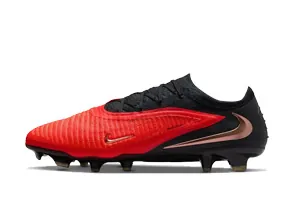
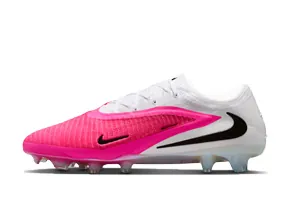
Nike Phantom 6
Flyknit upper wraps rather than compresses. The most forgiving modern Nike fit for wide forefeet across a full 90 minutes.
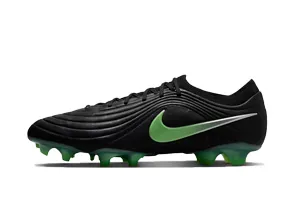
Nike Tiempo Maestro
TechLeather stays pliable as feet expand during matches. Reliable through longer sessions without squeezing the forefoot.

Mizuno Morelia
Premium leather moulds genuinely around the foot over time. Best pure adaptation available for both width and toe-box height together.
Read the Morelia review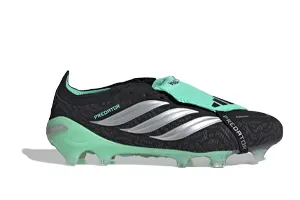
adidas Predator
Laced version gives meaningful midfoot adjustment. Best current adidas option for players wider than the F50 will tolerate.
Read the Predator review
Nike Premier 3
Kangaroo leather with zero aggressive structure. Maximum tolerance from the first session, especially for training and longer sessions.

Skechers SKX02
Fitknit upper wraps closely without compressing. Designed around Kane’s Phantom GT specifications, one of the most pliable knit uppers available.
Read the SKX review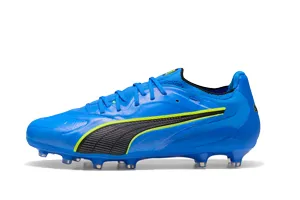
Puma King 20 Ultimate
Leather wraps rather than braces. More toe-box volume than most Kings since Puma changed the last shape for the 20 generation.
Read the King review
New Balance Furon v9
The speed boot that runs widest. For players who need pace but find every Mercurial painful by the second half.
Read the Furon review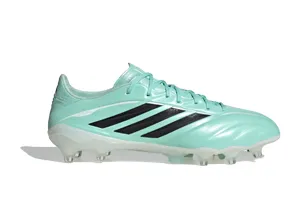
adidas Copa Pure 4
Relaxed forefoot with soft synthetic leather. The most forgiving adidas fit for players prioritising comfort over explosive responsiveness.
Read the Copa review
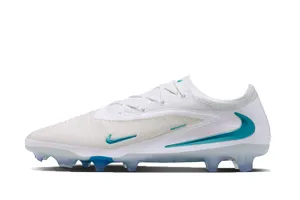
Nike Phantom 6 High
Same Phantom fit benefits with a collar. Worth choosing only if you specifically prefer the collar lockdown profile over the Low.

New Balance Tekela v5
Accommodating fit for technical players who work in tight spaces. Wide-foot option for players wanting modern responsiveness beyond comfort boots.
Read the Tekela reviewThe boots featured here are designed and produced by their respective manufacturers. FootballBoots.co.uk is an independent, unaffiliated review site, and all opinions are our own. This page contains affiliate links, which may earn us a commission if you choose to purchase, but this does not influence our recommendations.

Which wide-fit boot is right for you?
- Your forefoot feels tight or numb after 60 minutes
- You play full matches and need comfort under fatigue
- You want the most forgiving modern Nike fit
- You are technical, receive under pressure, and value touch
- Mercurials have ever felt painful by half-time
- You loosen laces just to create enough room in the forefoot
- Your feet are widest across the fifth metatarsal, not just the big toe
- You end sessions with small-toe rubbing or numbness

Comparing a different problem or position?
Different Types of Wide Feet Cause Different Problems
One of the biggest mistakes is assuming all wide feet are the same. They are not. Different foot shapes create different pressure points, and the boot that solves one problem sometimes creates another.
If your feet actually run narrow rather than wide, none of this applies, see our best football boots for narrow feet guide instead, built around the opposite problem.
Forefoot Squeeze
The most common problem. It shows up as pressure around the toes and along the outside of the foot, often building to numbness during longer sessions. It is usually worst during repeated sprinting and aggressive directional changes, because both movements load the forefoot and compress the toes sideways into the upper.
Modern speed boots are the main cause. Their narrow lasts, aggressive lockdown shapes and thin synthetic uppers are designed to create the closest possible contact between foot and boot. That works well for narrow feet but creates a vice-like effect on wider forefeet. The pressure is often manageable for the first 30 minutes and becomes genuinely painful by the 70th.
Midfoot Pressure
Some boots fit wide through the forefoot but create a different problem once the laces are tightened properly. A rigid lockdown system or narrow midfoot construction can create lace bite, arch pressure, or a squeezing sensation when changing direction or pressing into the ball.
This is the problem that catches players out on trial. The boot feels fine on a five-minute shop run. It only reveals itself during continuous movement, usually when rotating sharply or when repeatedly striking and driving off the front foot.
Swelling During Matches
Feet expand during football. Not enormously, but enough to matter in a boot with no tolerance. In hot conditions or during extended sessions on UK 3G pitches the expansion becomes more significant. Synthetic uppers with no stretch simply have nowhere to go, and the result is sidewall rubbing, aching through the forefoot, and pressure during sprints that were not there at kick-off.
This is why testing a boot for five minutes tells you very little. A boot that sits comfortably before the warm-up can become genuinely uncomfortable by the time you are chasing back in the 75th minute.
Heel Compensation
When a boot is too narrow through the front, players often loosen the laces to create more room. This can work short term but creates a different problem: the heel lifts inside the boot during acceleration and recovery runs. That heel movement reduces confidence when changing direction and creates blisters at the back of the foot over time.
A properly fitting wide boot should feel secure through the midfoot and heel without needing the laces loosened beyond a normal tightening. If you are compensating, the boot is not right.
When Does Width Actually Matter?
Width problems do not affect every moment of football equally. Understanding when they become noticeable helps narrow down what you are actually looking for.
Repeated sprinting is where forefoot squeeze builds fastest. Each push-off loads the ball of the foot and compresses the forefoot against the upper. After 10 or 15 of those sprints in the second half, a boot with a narrow toe box will make itself known.
Directional changes expose both forefoot squeeze and midfoot rigidity. Sharp cuts require the foot to brace laterally inside the boot. A narrow upper resists that movement, creating sidewall pressure, while a rigid midfoot can cause lace bite as the foot flexes.
Receiving under pressure is where fit affects performance directly. If your forefoot is uncomfortable, the instinctive response is a slightly shorter, more defensive first touch rather than a confident, assertive one. Fit discomfort rarely disappears from your awareness during football; it changes how you move.
Late-match fatigue is when almost everything gets worse. Feet swell, legs tire, and what felt manageable in the first half becomes persistent. The boots that earn long-term loyalty from wide-footed players are usually the ones that remain comfortable at 85 minutes, not the ones that feel impressive on the first touch.
Wide Football Boots

The Phantom has been at the top of this list for three seasons. The Flyknit and Gripknit construction wraps around the foot rather than compressing it. The last is wider through the toe box than any Mercurial or Superfly, and the knit material has enough natural give that feet expanding during a session are not fighting against the upper.
Receiving under pressure feels more composed because the foot is not competing with discomfort. Recovery runs in the second half feel less laboured. Nike calls the surface material Gripknit: what you actually notice is cleaner contact receiving awkward passes, without the upper feeling rigid or restrictive. Worn by Haaland, Camavinga and Mainoo.
Wide-footed players across positions. Particularly consistent for players who have been in earlier Phantoms or Hypervenoms: the wider last has stayed constant across generations.
- Wide last consistent across Phantom generations
- Flyknit adapts naturally around the forefoot
- Comfortable from the first session, no break-in period
- Not the most explosive acceleration feel available
- Less aggressive than Mercurial for players prioritising pace above all

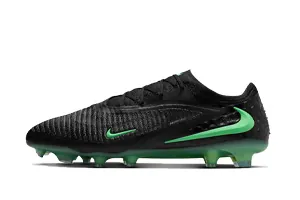
Shadow
Check stock↗Default black option, low-profile choice for players who prefer it plain.
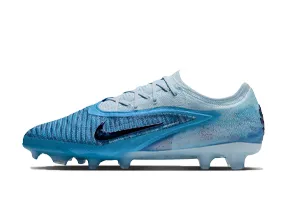
Erling Haaland
Check stock↗The flagship athlete colourway used in Nike's launch campaigns.
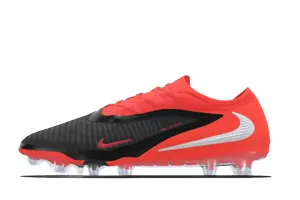
Nike By You
Design yours↗Build your own pair with a custom design and personalisation.

The Tiempo's wide reputation goes back to the kangaroo leather generations, where the upper stretched and accommodated almost any foot shape over time. The 2026 version uses TechLeather (the most pliable synthetic leather Nike currently produces) and stays soft enough through the forefoot to allow some natural expansion during a session.
Receiving with the back to goal or taking firm passes through midfield, there is a softness and stability that wider-footed players tend to appreciate: planted without feeling compressed. Honest note: it does not stretch like older kangaroo leather Tiempos did, but for most players, that is enough. Worn by Van Dijk, Musiala and De Jong.
Defenders and holding midfielders who value stability across 90 minutes. Well-suited to players who receive a lot of ball under pressure and want a boot that does not fight the foot.
- TechLeather is Nike's most pliable synthetic leather
- Wider outsole base than speed boots
- No aggressive lockdown creating additional midfoot pressure
- Does not stretch or adapt like kangaroo leather
- Academy takedown uses similar pliability, which questions Elite value
- Not the right choice for wide-footed pace-focused wingers

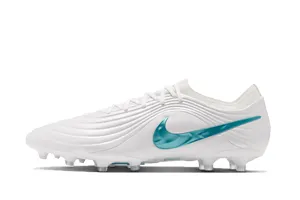
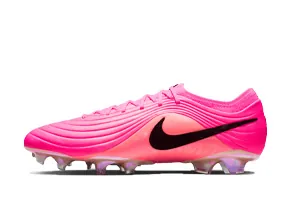
Bright Lights
Check stock↗Crisp white with teal aesthetics; primary look for headline Tiempo players.
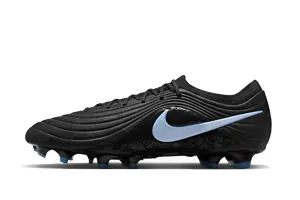
Shadow
Check stock↗Dark colourway for players who prefer a lower-profile look.
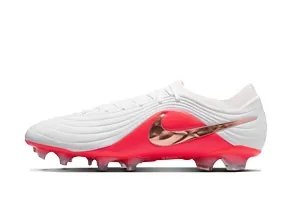

The Morelia is one of the finest feeling boots available. The premium kangaroo leather adapts genuinely around the foot over time. The lacing system is deep and adjustable. The outsole is stable without feeling rigid. The result is a boot that becomes more personal with each session.
One honest observation from testing: I occasionally find the Morelia rubs slightly across the top of the toes, near the vamp, likely a combination of foot height rather than width alone. Others who wear it regularly do not have this problem. Worth knowing before committing. UK availability can be inconsistent; the Made in Japan versions are worth the premium when available.
Players prioritising material quality and genuine adaptation over immediacy. Requires commitment to the break-in period. Once broken in, difficult to go back.
- Finest leather quality available in football boots
- Deep lacing system allows precise midfoot adjustment
- Adapts and moulds genuinely around the foot over time
- Premium price and inconsistent UK availability
- Initial break-in period requires patience
- Low toe box may affect players with taller forefeet

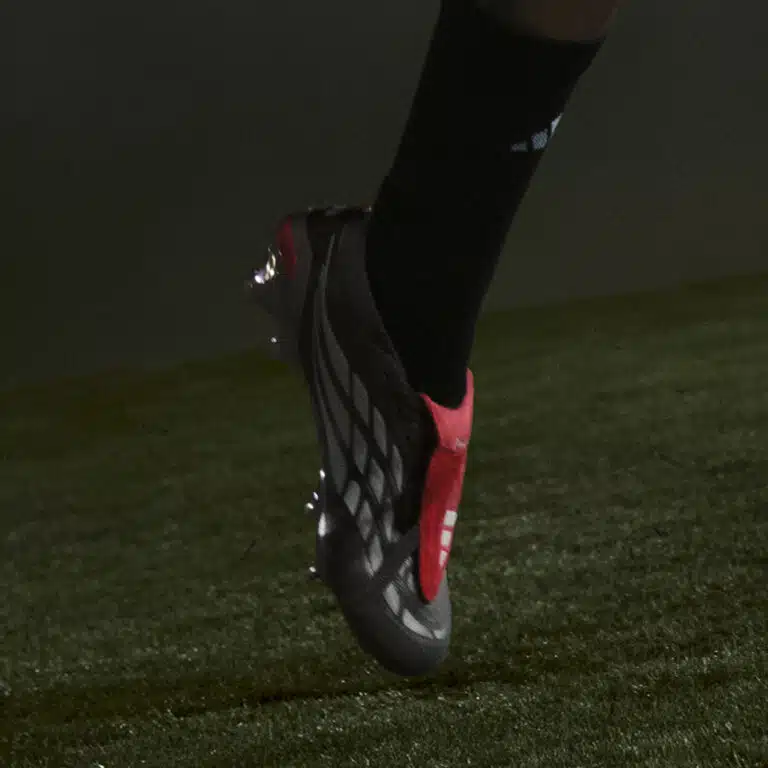
The Predator suits wider adidas players better than the F50 mainly because the laced version gives meaningful control over midfoot pressure. You can adjust tension across the foot rather than accepting whatever a narrower fit imposes. The 2026 version introduced a Powerspine running heel to midfoot: adidas market it as a power feature, but what it primarily does is reinforce the outsole and address the cracking issues that affected 2024 and 2025 models.
The current upper is firmer out of the box than the previous Hybridtouch generation. Give it three or four sessions before judging fit. Wide-footed players who try them straight out of the box and find them tight often find the upper settles considerably once broken in. For very wide feet, the laced FT version gives more room than the laceless Elite.
Wide-footed control players and midfielders who can commit to a break-in period and want grip technology without the narrowness of the F50 or Speedportal.
- Laced version gives meaningful midfoot adjustment
- Improved outsole durability versus 2024 and 2025 models
- Strong functional grip for control and pressing players
- Break-in period required: firmer than previous generation
- Laceless Elite version gives less width adjustment than laced FT
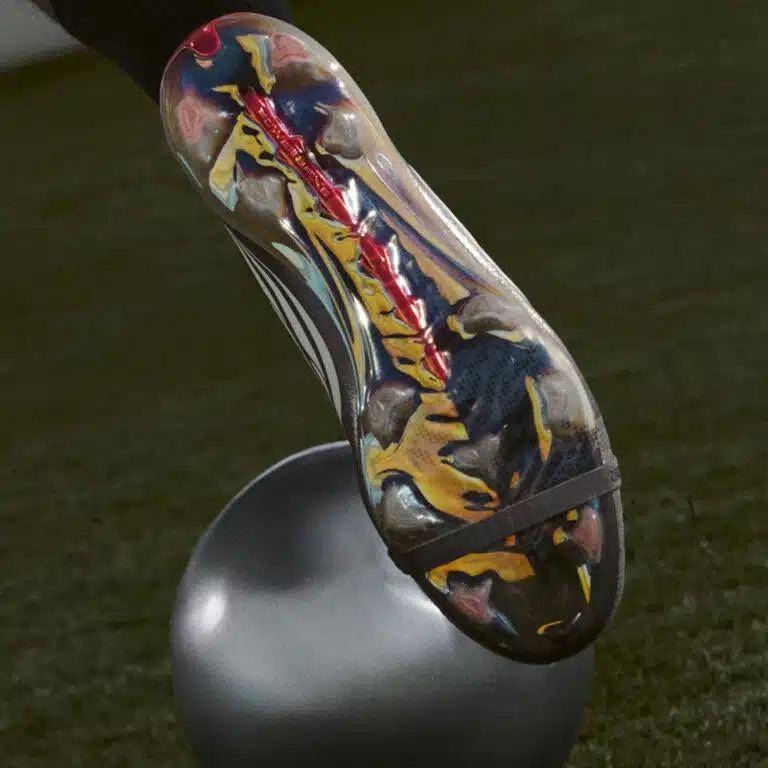
Current Predator 26 Elite colourways, newest first.

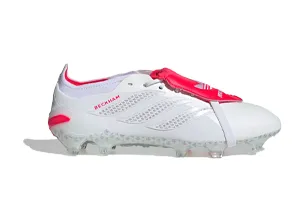
David Beckham Predator
Check stock↗Celebrates Beckham's iconic free kick against Greece in 2001
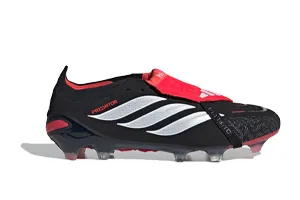

The Premier is one of the most honest buys on this list. Kangaroo leather, classic tongue, forgiving fit from the first session. No aggressive lockdown, no tech-heavy upper fighting your foot shape. The upper softens and moulds over time, making it one of the most consistently comfortable options for wider feet across extended sessions.
I wear mine more for midweek training than match days, and that is roughly the right framing. Important for UK buyers in 2026: Nike is transitioning away from kangaroo leather production. The Premier's future beyond current stock is uncertain. If this boot suits you, buying now while UK availability is reliable makes sense.
Wide-footed players prioritising comfort across training and regular competitive play. Not the right choice if pace or striking precision is the main priority.
- Kangaroo leather with genuine give from early sessions
- Classic tongue aids wider midfoot accommodation
- No aggressive structure fighting against the foot
- Not the most responsive for match-day performance
- UK availability uncertain as Nike moves away from leather
- Less suitable for players prioritising pace or precision striking

Available colourways. Buy now while UK stock lasts.
FG
Check stock↗The standard colourway of the Nike Premier.

SG
Check stock↗Comes with Nike's Anti-clog technology.

TF
Check stock↗Short rubber nubs with cushioned midsole for older, shallow synthetic pitches.

Mad Ambition
Check stock↗White with blue Swoosh the only remaining alternative colourway. Availability limited to remaining sizes.

The SKX was designed around Harry Kane's specifications, and Kane had spent years in the Phantom GT before this. The brief was essentially: take what worked about that Phantom fit and build on it. The SKX02 improves on the original by weaving the grip texture into the knit rather than applying it as an overlay: the upper is softer and more adaptive as a result.
For wide feet, the Fitknit gives where it needs to without feeling loose or unstructured. It is an outside entry because brand history in football is still short and UK range is more limited than Nike or adidas, but for players currently in a Phantom GT or similar Flyknit setup, the SKX02 is the closest available equivalent.
Wide-footed players coming from a Flyknit or knit boot background looking for an alternative, particularly those who played in a Phantom GT and want a comparable fit experience.
- Highly pliable Fitknit upper
- Grip texture woven in rather than overlaid: no stiffness penalty
- Designed specifically around a wide-footed player's specifications
- FG tooling only in current UK availability
- Brand history in football is still relatively short
- UK retail presence more limited than major brands


The King's appeal for wider feet is how the upper behaves under movement. Many boots create enough initial room but compress the foot as soon as you accelerate or cut sharply. The King's leather upper wraps around the foot rather than bracing against it, and that quality persists across a full match.
The King 20 generation made a meaningful change from earlier models: more volume across the toe box. The tighter-fitting King Platinum models are the ones to avoid if width is the priority. The current 20 Ultimate is the right version. Central midfielders and defenders who prioritise feel and comfort over pace tend to get the most from it.
Central midfielders and defenders who prioritise feel and comfort over pace. Players who want leather quality without the break-in commitment of the Morelia.
- Leather upper wraps rather than compresses during movement
- More toe-box volume than earlier King generations
- Comfortable across longer sessions
- Heavier than speed boots
- Less aggressive traction profile
- Less precise contact feel for striking compared to knit uppers


Most speed boots are a poor choice for wide feet. The Furon is the exception worth noting. It runs wider through the forefoot than most direct competitors, and for wide-footed wingers and forwards who find every Mercurial painful by the second half, the Furon deserves serious consideration.
This is not saying it matches the comfort of a Phantom or Tiempo: it is a speed boot and the fit is still snug by general standards. What it provides is meaningfully more forefoot room than the Mercurial, Superfly or F50, which for some wide-footed players is the difference between a usable boot and one that does not last a full match. New Balance also offer genuine wide-fit sizing on some Furon models, which is worth checking before ordering.
Wide-footed players on the wider end of medium who insist on a pace-focused boot and find Mercurial, Superfly or F50 painful by half-time. Not for significantly wide feet.
- Wider forefoot than most speed boots
- Genuine speed boot performance profile
- NB wide-fit sizing available on some models
- Still a speed boot: narrower and more aggressive than comfort-focused options
- Not suitable for significantly wide feet
- Not a leather comfort option


The Copa Pure sits at the comfort end of the adidas lineup. The synthetic leather is softer through the forefoot than the Predator's upper and the fit is less structured, which tends to suit wider forefeet that respond better to a boot that gives than one that braces.
Receiving passes and close control on a wet UK pitch feel natural in the Copa in a way that more aggressive boots do not. For players who want the widest, most relaxed adidas fit available, this is it. It is not the right choice if pace or explosive responsiveness is the priority, but for players who want comfort and close control, it delivers consistently.
Midfielders and attacking players prioritising comfort and touch over explosive performance. Players who want the most forgiving adidas fit and prefer a classic synthetic leather feel.
- Softest and most relaxed adidas fit currently available
- Forgiving through the forefoot from the first session
- Classic leather feel for close control on the ball
- Less responsive and less explosive than Predator or speed boots
- Not the right choice for pace-reliant positions

Current adidas Copa Pure 4 colourways.
Final Rush
Check stock↗Last standard colourway Copa Pure release for 2026.
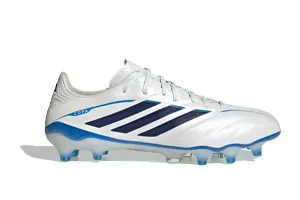
Chaos vs Control
Check stock↗2026/2027 new season Copa Pure 4 boots.
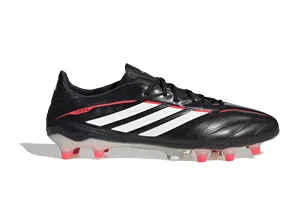
Immortal DNA
Check stock↗Permanent black option for the Copa Pure 4.
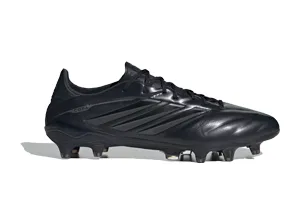
Midnight Essence
Check stock↗Special total blackout release.

The Phantom 6 High carries the same forefoot width, the same Flyknit and Gripknit upper, and the same last shape as the Low. The collar does not change how the boot behaves at the forefoot or through the midfoot. If the Phantom Low fits your wide feet comfortably, the High will too.
The reason it sits at No. 10 rather than No. 1 is simple: for most players the collar adds nothing functionally, and it comes at a price premium over the Low. If you specifically want collar lockdown (some players genuinely do), the fit experience is identical to the boot ranked first on this list. Personally I would save the extra cost and go with the Low unless the collar is something you actively want.
Players who have tried the Phantom Low and specifically want the collar profile. Not a recommendation for wide-footed players in general: the Low is the better starting point.
- Identical forefoot width and fit to Phantom Low
- Collar lockdown for players who prefer that sensation
- No compromise on upper comfort versus the Low
- Price premium over the Low for identical fit experience
- Collar may create ankle restriction for some players
- No meaningful wide-fit advantage over the standard Low


Bright Lights
Check stock↗Primary colourway for the collared-Phantom headline players.


Showtime
Check stock↗Standout colourway for players who want the DF collar to be seen.

The Tekela gets less attention on wide-foot guides than it deserves. The fit is genuinely accommodating for wider forefeet, and unlike the Furon it is not optimised purely for straight-line speed. Technical midfielders with wide feet who find the Phantom or Tiempo profile does not suit their game or playing style often find the Tekela fits their football better than expected.
New Balance also offer genuine wide-fit sizing options across some of their football range: worth checking their dedicated wide-fit sizing for the Tekela specifically before ordering. UK availability is less consistent than the major brands, so buying online with confirmed sizing is the sensible route.
Technical midfielders and attacking players with wide feet who want modern responsiveness rather than the pure comfort profile of the leather boots. A genuine alternative for players the Phantom or Tiempo does not suit aesthetically or technically.
- Genuinely accommodating fit for wider forefeet
- Better suited for technical players than pace-only speed boots
- NB offer genuine wide-fit sizing options on some models
- UK availability less consistent than Nike or adidas
- Best bought online with confirmed sizing rather than in-store

Speed Boots and Wide Feet: The Honest Picture
Modern speed boots are built on the assumption that foot-to-boot contact should be as close as possible. Every millimetre of space inside the upper is viewed as energy lost during acceleration. The result: narrow lasts, aggressive lockdown shapes, thin synthetic uppers designed to brace the foot rather than accommodate it.
That works well for narrow to medium feet. For wider feet, it creates a progressively worsening problem across a match. The forefoot squeeze that is tolerable in the first 20 minutes becomes genuinely distracting by the second half, once feet have expanded and repeated sprinting has loaded the forefoot dozens of times.
This does not mean wide-footed players cannot wear speed boots. It means fit selection matters considerably more.
NB also offer genuine wide-fit sizing on some Furon models, worth checking before ordering.
Fit varies across generations. Trial in person where possible.
The Phantom is the Nike alternative for wider feet.
The Copa Pure 4 is the more accommodating adidas alternative.
How to Actually Tell If a Boot Fits Wide Feet
Five minutes in a shop tells you almost nothing about how a boot will feel during football. Most fit problems only emerge once the foot has been subjected to repeated movement and has started to expand slightly. These are the questions that actually matter.
Can you feel the upper pressing against your little toe before play starts?
If yes before the match begins, it will be noticeably worse during. Wide feet are often widest at the fifth metatarsal, not just through the big toe side. Pressure here before kick-off is a clear signal the boot is not wide enough for your foot shape.
Is there pressure across the top of the forefoot when laced at normal tension?
This usually means the toe box height is too low rather than the width being the primary issue. Width in profile is a different problem from width across the ball of the foot. Both matter, and they point toward different boots. A boot can be wide laterally but still squeeze vertically.
After 30 minutes of continuous play, where is the boot rubbing?
That is the real data. What you feel at 30 minutes on a pitch will be considerably worse at 75. Testing in a shop or standing around does not replicate repeated sprinting, directional changes and the natural forefoot swelling that happens during a match.
When you change direction sharply, is your foot moving inside the boot?
Some players lace so loosely to create forefoot room that the heel lifts and the foot slides on every stride. This is a sign the boot does not suit the foot shape, not a workable long-term solution. Loosening laces trades one problem for another.
UK Sizing and Wide Fit Notes
| Brand / material | What to know |
|---|---|
| Nike, adidas, Puma | No designated wide-fit football boot range in the UK market. Unlike running shoes, there is no EE or EEEE fitting designation. Width accommodation comes from the boot's natural last shape, upper material and construction approach. |
| Mizuno, Asics | Japanese brand sizing tends to run slightly narrower. Boots from Mizuno and Asics are designed around a different foot profile. Going half a size up from your UK running shoe size is a common adjustment for Mizuno, though individual fit still varies and in-person trialling is worthwhile. |
| New Balance | Offer genuine wide-fit options across some of their football range. It is worth checking their dedicated wide-fit sizing for Furon and Tekela models specifically before ordering standard sizing. |
| Leather boots (general) | Often need a half-size adjustment. Kangaroo and full-grain leather boots typically feel snugger initially and benefit from going half a size up, as the leather will stretch and adapt. Buying your exact size in a leather boot often results in a boot that becomes the right size after a few sessions. |
Frequently Asked Questions
Are Nike Phantoms good for wide feet?
Yes. The Phantom is the most accommodating modern Nike football boot for wide feet. The Flyknit and Gripknit upper wraps around the forefoot rather than compressing it, and the wider last means less toe-box squeeze during sprinting and directional changes. It is the first recommendation for most wide-footed players.
Are Nike Mercurials suitable for wide feet?
Generally not. The Mercurial is built on a narrow last with an aggressive lockdown profile designed to bring the foot as close to the boot as possible. For players with significantly wide feet, this creates forefoot squeeze that becomes uncomfortable quickly under match conditions. The Phantom is the recommended Nike alternative.
Is the Nike Tiempo good for wide feet?
Yes. The Tiempo Maestro's TechLeather stays pliable as your feet expand during matches, and it is reliable through longer sessions without squeezing the forefoot. It does not stretch and mould like the old kangaroo leather Tiempos, so get the length right from the start.
What is the difference between a wide toe box and overall width in football boots?
A wide toe box refers specifically to extra room through the front of the boot, around the toes. Overall width refers to the full last shape from heel to toe. Some boots have wide toe boxes but narrower midfeet, which helps forefoot squeeze but not midfoot pressure. Knowing which type of width you need helps considerably in narrowing the choice.
Do leather football boots work better for wide feet?
Often yes, because natural leather stretches and moulds around the foot over time. Kangaroo leather in particular adapts more than most synthetic materials. The tradeoff is that leather boots require a break-in period, are generally heavier, and do not offer the same explosive responsiveness as synthetic speed boots.
How long do football boots take to break in for wide feet?
Depends on the material. Kangaroo leather boots typically need 3 to 6 sessions before the leather begins to adapt noticeably. Synthetic leather boots have less break-in tolerance and less adaptation. Knit boots like the Phantom tend to feel relatively comfortable from the first session, which is one reason they rank so highly for wide feet.
Are adidas boots good for wide feet?
Some are better than others. The Copa Pure 4 is the most forgiving, the Predator works well in laced versions with proper break-in, and the F50 and Speedportal should generally be avoided for significantly wide feet. The Copa and Predator are the two adidas options worth considering.
Is the adidas Predator good for wide feet?
Yes, in the laced version. The laces give you meaningful control over midfoot pressure, so you can adjust tension across the foot rather than accepting a narrow fit. It is the best current adidas option for players wider than the F50 will tolerate, but it needs a break-in period.
Is the adidas F50 good for wide feet?
Generally not. The F50 is built for a narrow, locked-in speed fit, and it is one of the boots we tell wider-footed players, kids included, to avoid. If you want adidas, the laced Predator is the better choice; if you want a speed boot, the New Balance Furon v9 gives meaningfully more forefoot room.
What if I'm a wide-footed striker?
Start with our best boots for strikers with wide feet shortlist, then check fit against the wide-fit notes on this page before buying.


Best Kids Wide Foot Boots
Younger players tend not to notice wide-foot problems as acutely as adults, but the same principles apply. If a child is regularly uncomfortable in their boots by the second half, or starts loosening laces excessively during warm-up, width is worth addressing rather than waiting for them to grow into the boot.
Better options for wider-footed kids
Knit uppers like the Nike Phantom or Puma Future give naturally pliable accommodation and come in colourways kids actually want to wear. The Phantom in particular runs consistently wider across junior sizes. For players who want leather, the Nike Premier is a forgiving option that adapts well and suits both training and matches.
Boots to avoid for wider-footed kids
Narrow-last speed boots create the same problems in junior sizes as they do in adult sizes. The F50, Mercurial Vapor and Superfly are worth avoiding if width is a concern. The appeal of wearing a favourite player's boot is real, but a boot that causes discomfort during a match is not worth the short-term enthusiasm.
New Balance offer genuine wide-fit junior sizing across some of their football range, which is worth checking if standard sizing is consistently problematic.
Final Verdict
The best football boot for wide feet is not the widest boot on a spec sheet. It is the boot that remains comfortable after 75 minutes of real football, when feet have expanded, legs are tiring, and you are still sprinting back to recover or driving forward to create.
For most players, the Phantom is still the safest starting point. Its combination of forefoot accommodation, knit upper flexibility and consistent comfort under fatigue makes it the most reliable wide-foot boot across different positions and playing styles. Players who want leather comfort and longevity tend to settle on the Tiempo Maestro or Morelia. Players who are set on a speed boot and have already failed with the Mercurial or Superfly should look seriously at the Furon before assuming wide feet and speed boots are incompatible.
The goal is always to find the boot you stop thinking about once play starts.
