

Choosing boots comes down to four things: where you play, the shape of your feet, how you play and what you want to spend. Answer them in that order and you’ll know exactly which guide to read next. I’ve set each step out below, with the page that answers it.
Where you play sets the soleplate, your feet set the fit, how you play sets the boot, and your budget sets the tier. Start with the pitch: the wrong soleplate is the hardest mistake to live with, because no amount of comfort makes up for slipping or studs that won’t release.
Start with where you play Get the free guide and bookHow tight should football boots be?
If your feet have stopped growing, snug, with about a thumb’s width of space at the toe. If they’re still growing, leave a little more room for the season. Fit and size
Do boots by position matter?
Less than people think. You can wear any boot anywhere; how you play matters more than where. How you play
How much should I spend?
For most players, the mid tier is the sweet spot. Elite only pays off if you play often and at a level where the extra feel matters. What to spend
Still not sure?
Our free boot guide and my book go into every step in more detail. Free guide and book
Step 1: Where Do You Play?
The surface decides the soleplate, and the soleplate decides whether you can plant, turn and push off with confidence. Plenty of players run two pairs through a season: screw-in studs for soft, muddy winter pitches and moulded studs or blades for firm grass. Artificial pitches, five-a-side and indoor courts each have boots of their own. Not sure what FG, SG, AG or TF mean? The soleplate guide explains them all.
Pick your surface


Step 2: What Are Your Feet Like?
Almost every boot is built on its own last, so the same size fits differently from brand to brand. Measure your feet first: heel to the end of your longest toe. If your feet have stopped growing, go snug, with about a thumb’s width of space at the toe. If they’re still growing, leave a little room for the season. Then check our football boot size guide for how each brand fits.
Watch: how to measure your feet, and check whether they’re wide or narrow.
Pick by foot shape


Step 3: How Do You Play?
You can wear any boot in any position, and if you play in a few different places, just pick your favourite. But boots are designed with a style of play in mind: speed boots for running in behind, grip and touch for receiving under pressure, cushioning and protection for the players who spend the game in contact. Start with your position, then read for the style that sounds like you.
Pick by position


Step 4: How Much Should You Spend?
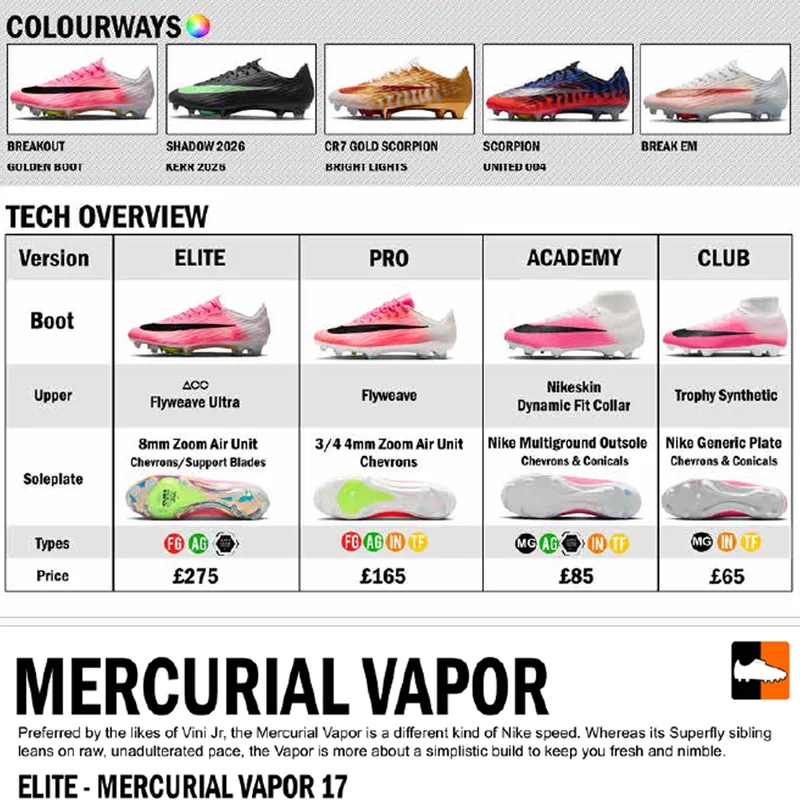
The price of a boot comes down to three things: the quality of the materials, how well it’s made, and the technology built in. Every major model comes in tiers:
- Elite: the best materials, the lightest build and the full technology. Worth it if you play often and at a level where the extra feel makes a difference.
- Pro: most of the Elite’s look and feel, slightly heavier and less refined, for a lot less. The sweet spot for regular players.
- Academy: tougher synthetic uppers and fewer features. Right for most young players, beginners and casual football.
Pick by budget


Got a shortlist already? Read the full football boot reviews to see what’s good and bad about each one.
The Mistakes I See Most
- The wrong studs for the ground. I’ve learned this one the hard way: metal studs on a pitch that only looked soft, and an FG plate that grabbed on 3G when I turned. The full stories are in my football studs guide and the soleplate guide.
- Buying a size up to grow into. Coaching kids’ teams, this is the mistake I see most. The foot slides on every turn and the touch goes. A thumb’s width is plenty.
- Copying a favourite player. Plenty of players buy the boot their favourite player wears without checking it suits their foot. The pro’s boot is built for the pro’s foot.
- Paying for a tier you won’t feel. For most of the players I coach, Academy is the right tier: they’re growing, playing once or twice a week, and they’d never feel the difference an Elite makes.
- Chasing the lightest boot. Playing masters football now, comfort over 90 minutes matters more to me than the lightest boot on the shelf.
Still Not Sure? Get the Free Guide and the Book
If you want the whole process in one place, our free Boot Secrets guide covers it in over 25 pages. My book with Dean Ariola, Football Boots: How To Choose Your Next Pair, goes deeper into every step on this page: surfaces, fit, play style, materials and getting the most from your boots once you’ve bought them. It’s on Amazon in the UK and the US, in paperback and Kindle.
Boot Secrets: the free guide
Over 25 pages on choosing your next pair. A free PDF to download and keep.
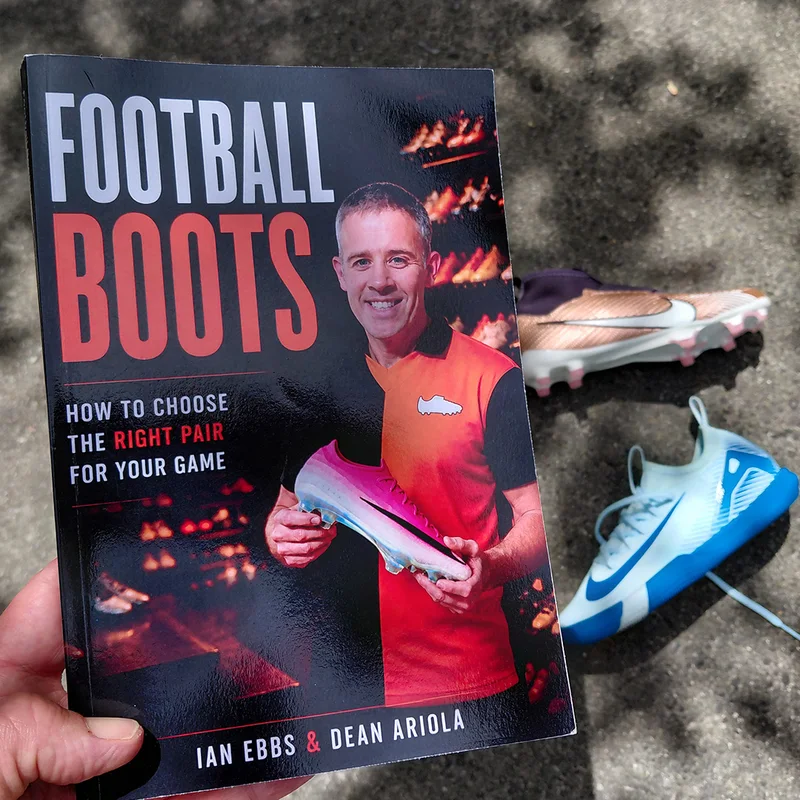
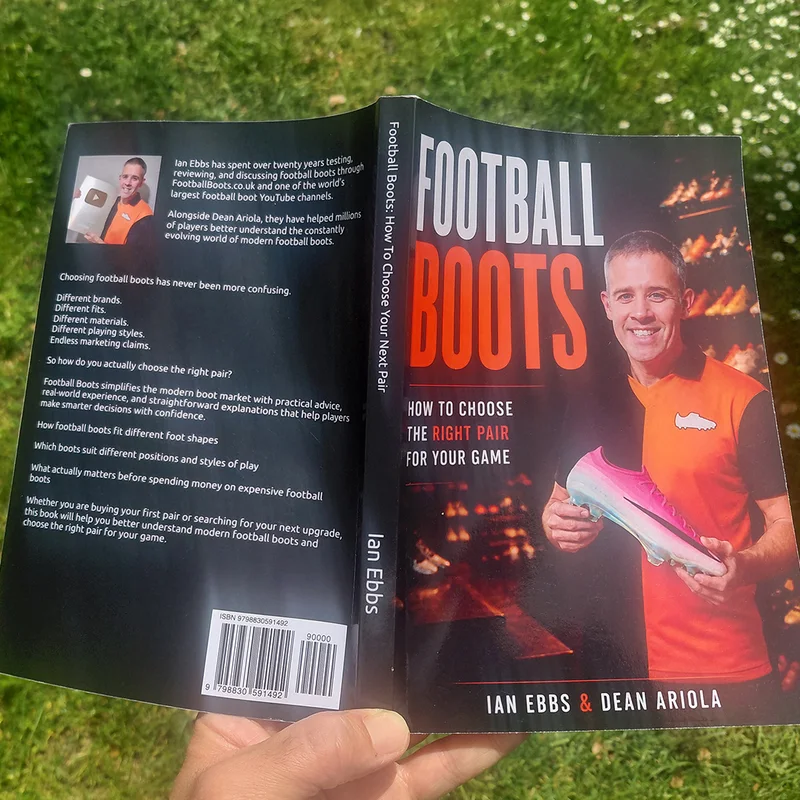
The book on Amazon
Paperback and Kindle, by Ian Ebbs and Dean Ariola.

Choosing Football Boots: FAQs
| How do I choose football boots? | Answer four questions in order: where you play (which sets the soleplate), what your feet are like (which sets the fit), how you play (which sets the type of boot) and what you want to spend (which sets the tier). |
|---|---|
| What football boots should I buy? | The ones that match your surface and fit your foot shape first. After that, pick the type of boot that suits how you play, at the tier that fits how often you play. |
| Do football boots by position matter? | Less than people think. You can wear any boot in any position; how you play matters more than where you play. |
| How tight should football boots be? | If your feet have stopped growing, snug, with about a thumb’s width of space at the toe. Growing feet need a little more room for the season. |
| Should I buy two pairs of football boots? | Many players do: screw-in studs for soft, muddy winter pitches and a moulded pair for firm grass or artificial pitches. |