

Puma occupies a distinctive place as football’s expressive challenger. It has the heritage and technical credibility of a major boot maker, but carries a younger, bolder and more individual personality, from the legendary King through the disruptive Tricks campaigns to its modern Forever Faster outlook. The common thread across its range isn’t one particular material or shape, but three different interpretations of freedom: the Future is agility, the Ultra is urgency and the King is composure. You can also jump to the latest Puma packs and releases further down the page.
Quick Verdict: Which Puma Silo Fits You?
Future is freedom: agility, pivots and creative movement. Ultra is urgency: outright speed and explosive acceleration. King is composure: a softer, more forgiving touch for players who want the ball to settle. Pick the identity that matches how you actually play, then use the tier snapshot below to land on the right price point.
Future 9
Agility and multidirectional movement. Best for creative dribblers who turn, twist and change direction rather than run in straight lines.
Think twice if: you want the lightest possible speed boot or a deeply padded, relaxed touch.
Shop Future 9 ProUltra Nitro 7
Pure speed. Lightest construction, thinnest touch and tightest fit of the three, built for quick players who want a close, responsive sensation.
Think twice if: you have wider feet or prefer a forgiving, cushioned touch over lockdown.
Read the Ultra Nitro 7 review →
Shop Ultra Nitro 7 MatchKing 20
Comfort and control. The softest, most accommodating of the three, best for players who want the ball to settle against the foot over 90 minutes.
Think twice if: you want a barefoot touch, firm lockdown or aggressive speed-boot traction.
Shop King 20 ProWhich Tier: Ultimate, Pro, Match or Play?
Pro is usually the strongest value across all three silos: most of the boot’s intended character remains, without the full Ultimate price. The one exception is the Ultra Nitro 7 Match, which retains an unusually large amount of higher-tier technology (NITROFOAM, SPEEDSYSTEM 2.0, FastTrax 2.0), making it the standout budget pick if you’re specifically after the Ultra. Full tier-by-tier detail is further down the page.
- Ultimate — the fullest expression of each silo; best overall performance.
- Pro — usually the best balance of quality and value for regular players.
- Match — first obvious quality drop, except the Ultra Nitro 7 Match, which keeps most of its higher-tier tech.
- Play — entry-level; suits beginners, juniors and occasional football.
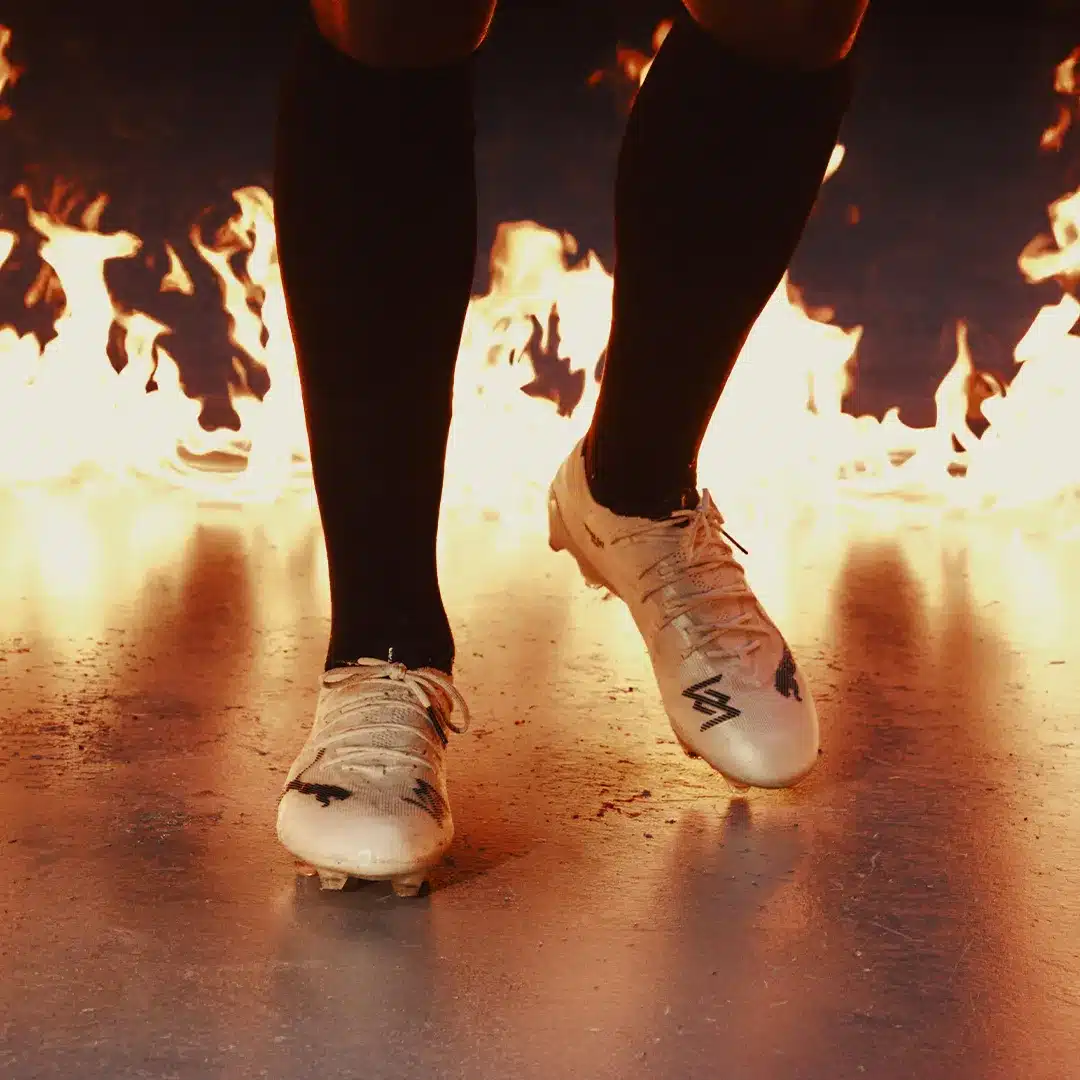
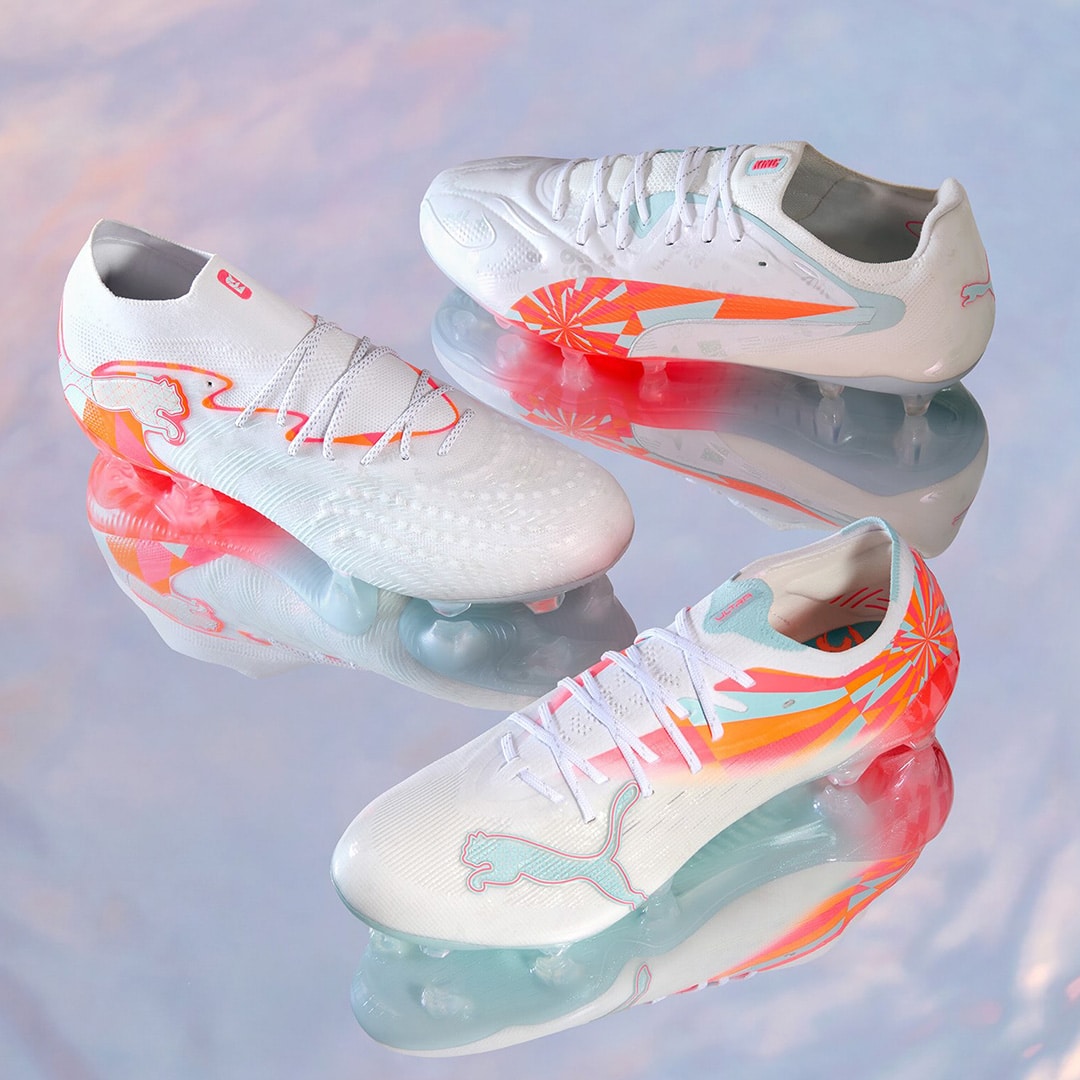
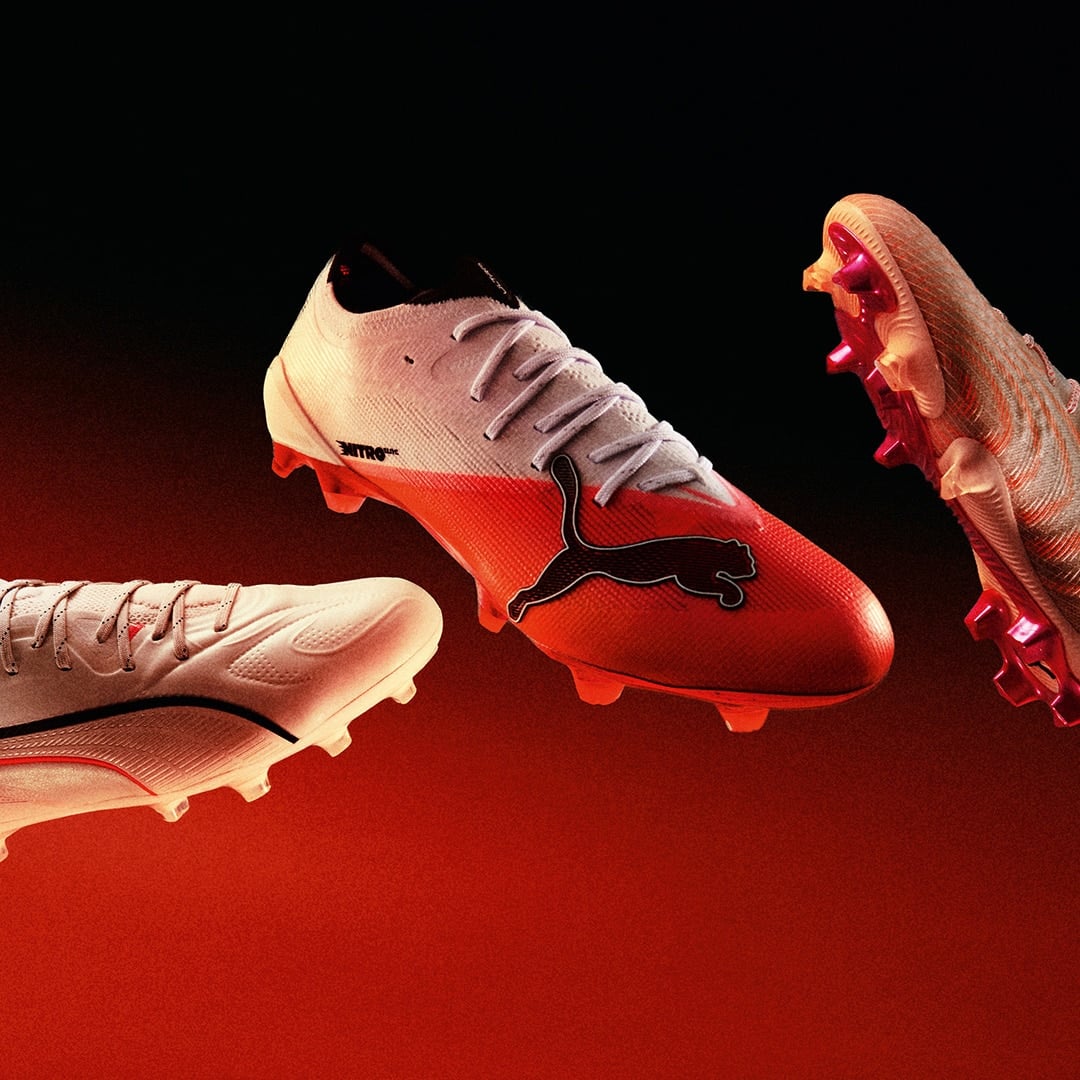
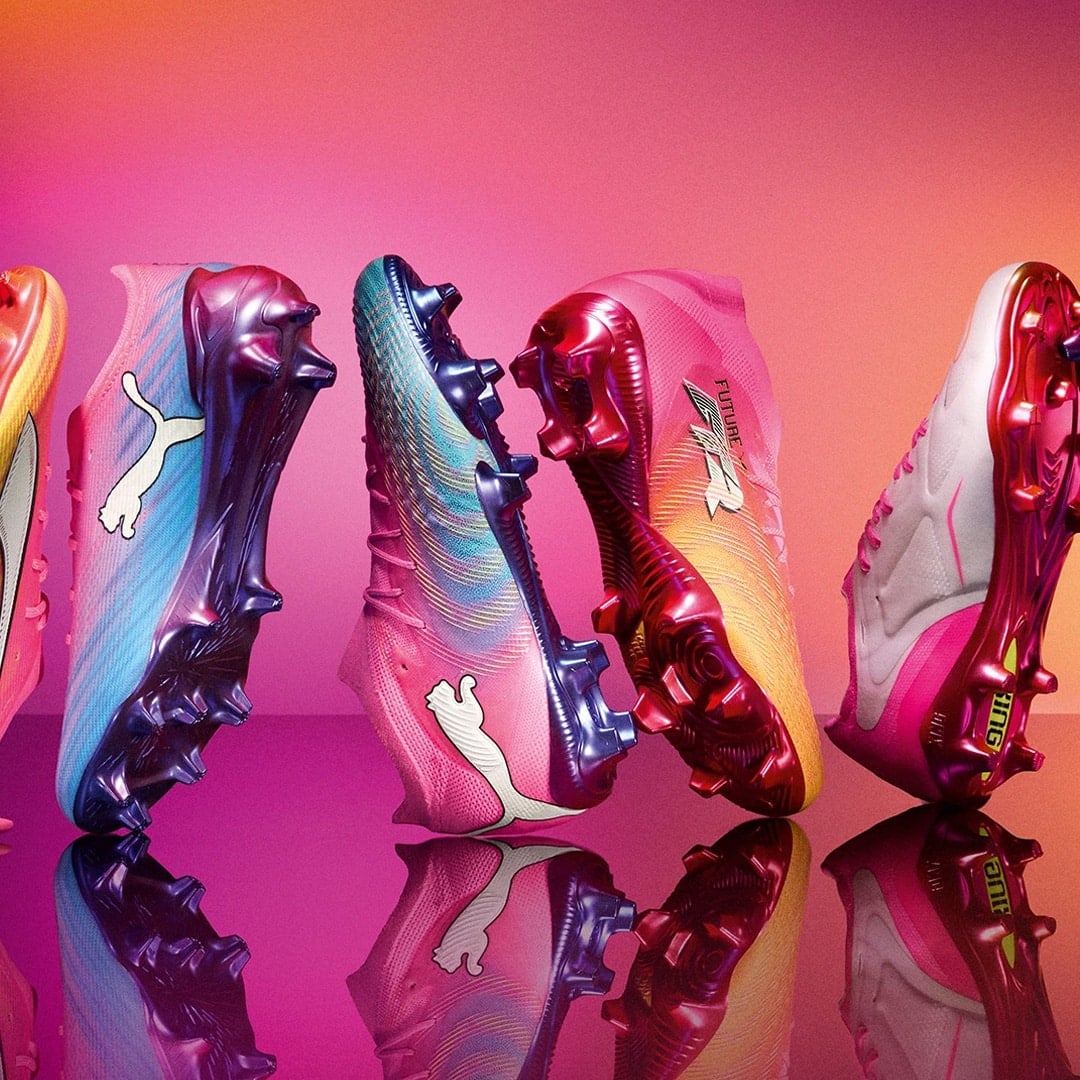
At the moment, Puma offers the Future agility boot and the Ultra speed boot. It also has the heritage King, the modern iteration of the classic Puma King boots, though consensus-wise it no longer competes in the space of K-leather boots with its transition to a synthetic upper.

Future 9, Ultra Nitro 7 and King 20 in Detail
Future

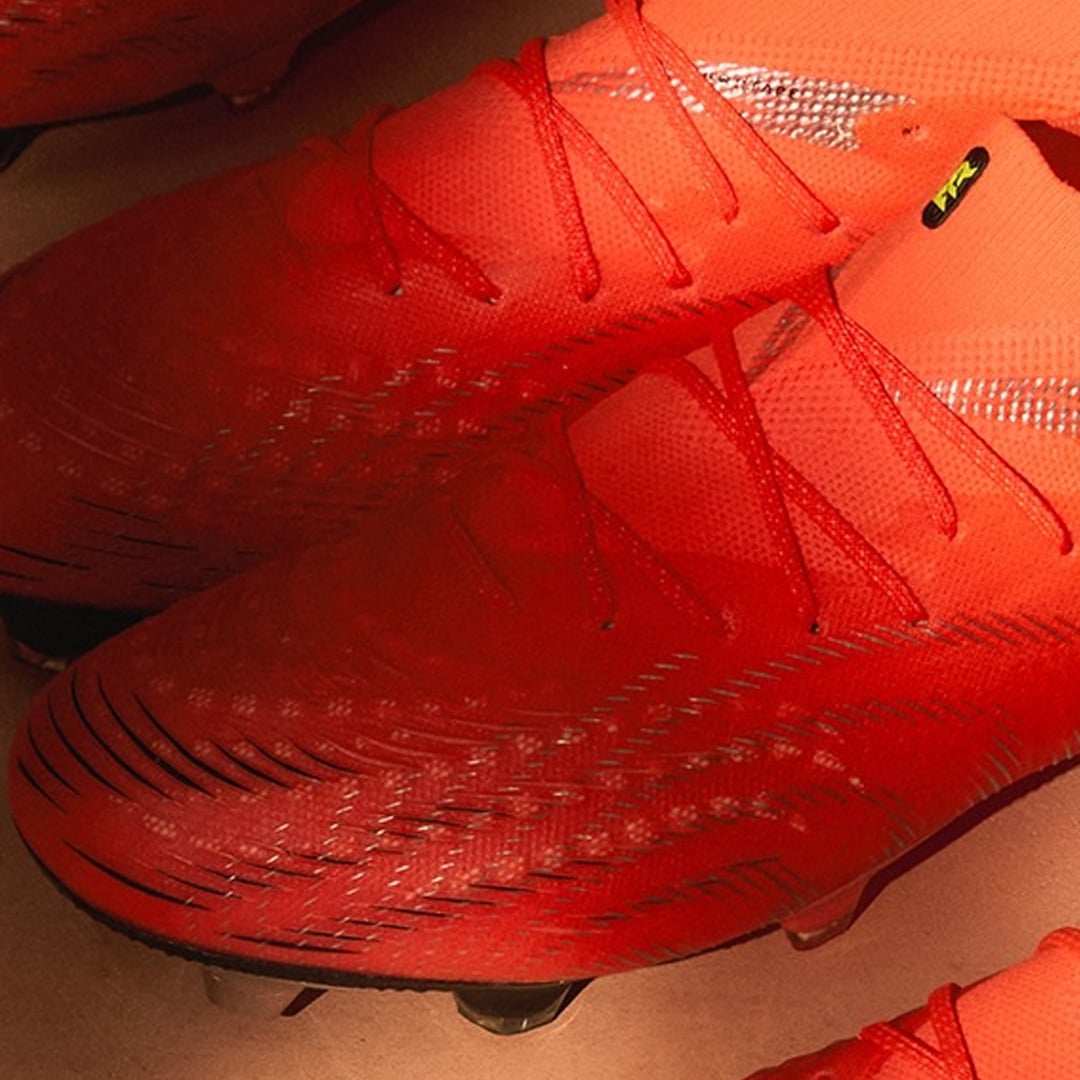
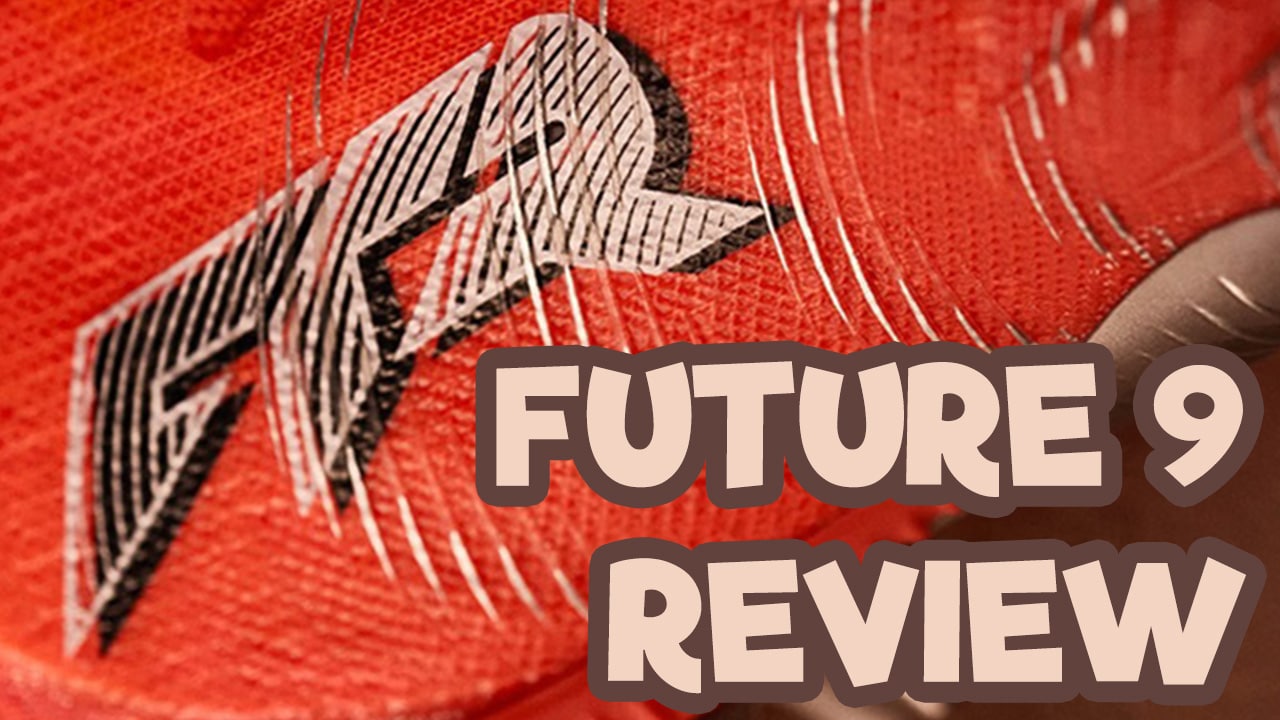
The Future 9 is Puma’s most adaptable boot, built around freedom rather than raw speed. Its FUZIONFIT upper wraps securely around the midfoot without feeling as restrictive as the Ultra, while the FLEXGILITY outsole is shaped for pivots, cuts and rapid changes of direction, and GripControl Pro adds a more involved touch on the ball. It suits creative dribblers and agile players who regularly turn, twist and change direction, rather than anyone wanting the lightest possible speed boot or a deeply padded, relaxed touch.
Ultra
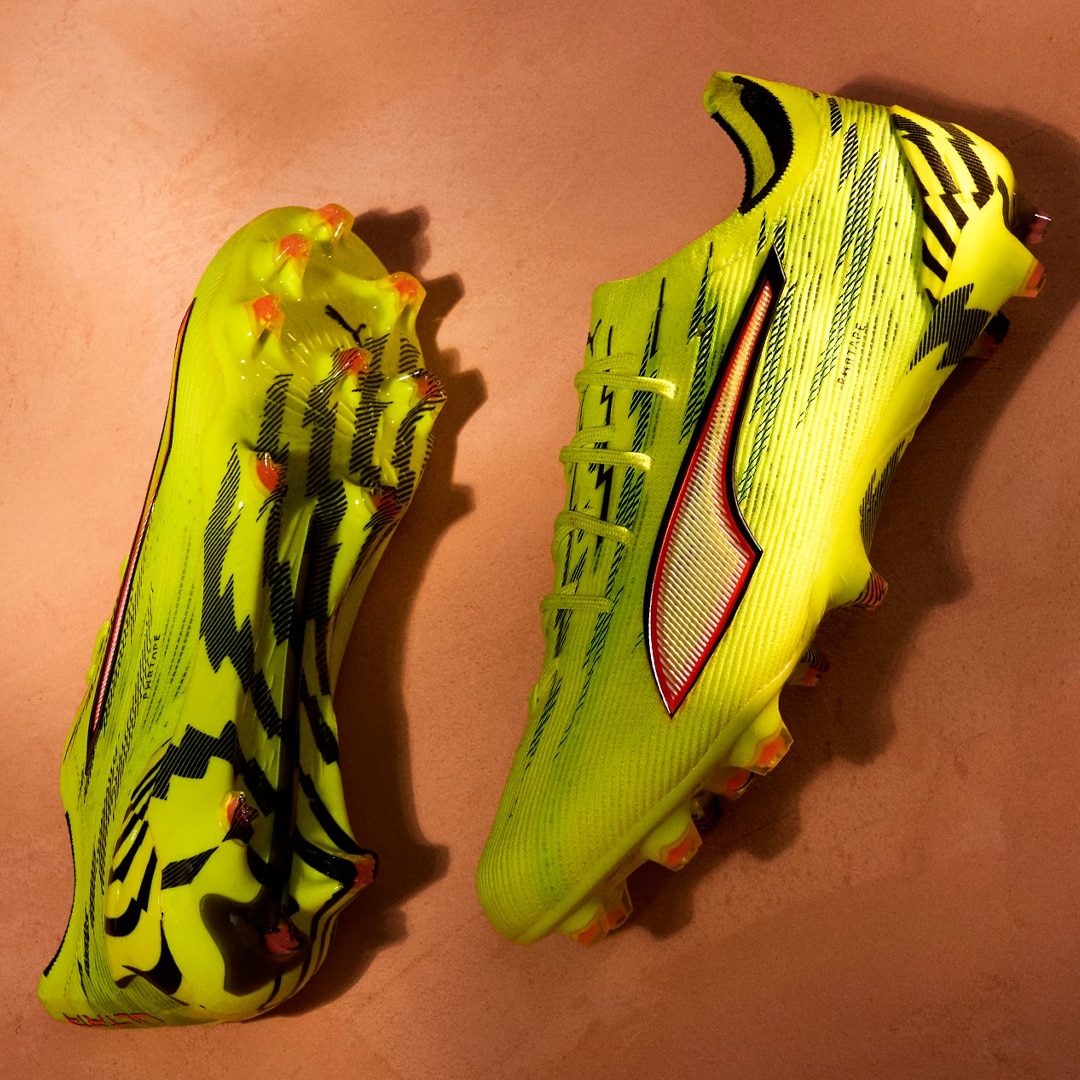
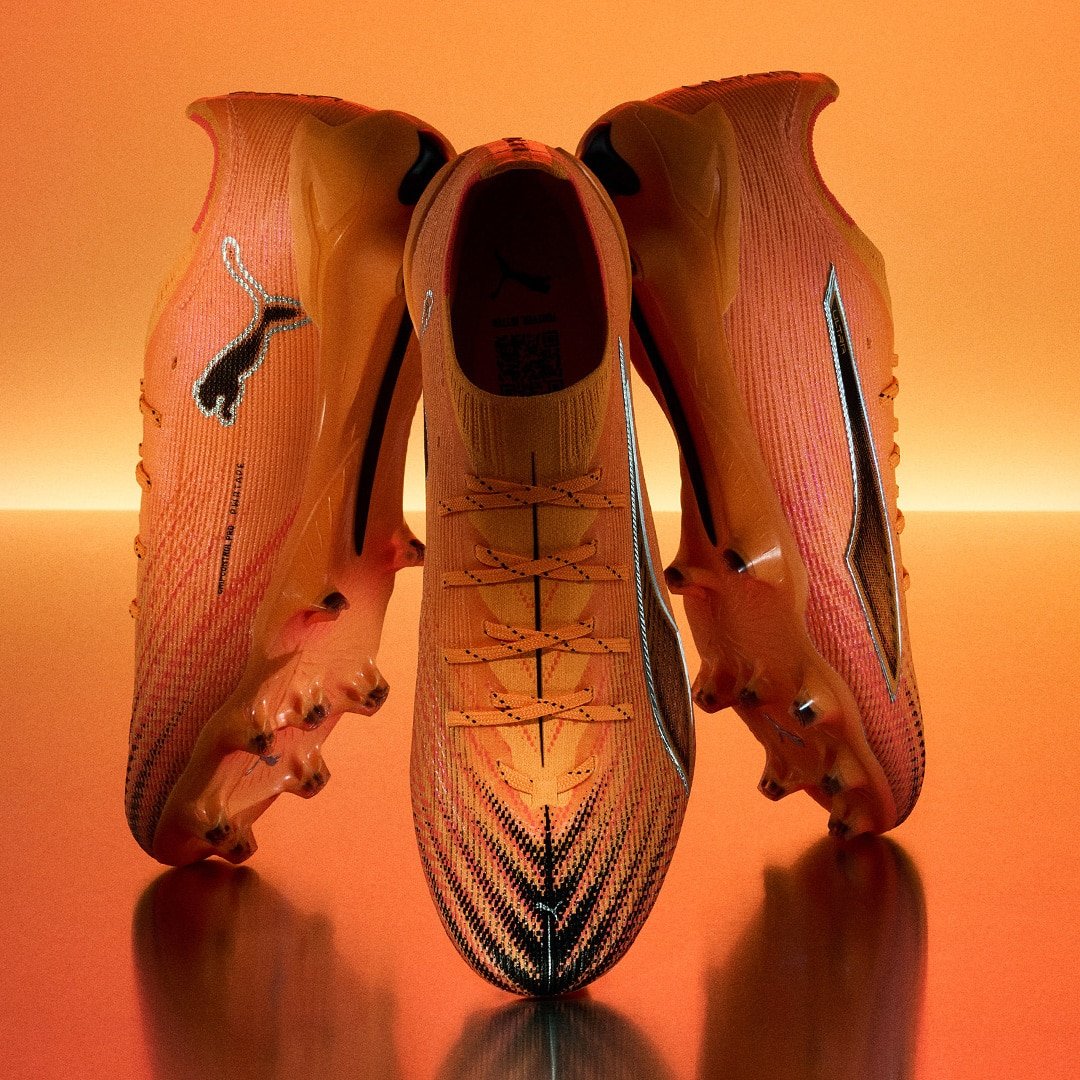
The Ultra Nitro 7 is Puma’s pure speed option, with the lightest construction, thinnest touch and tightest fit of the three. The SPEEDSYSTEM outsole and FastTrax studs give the most aggressive push-off, while NITROFOAM Elite adds cushioning without softening its direct speed-boot character. It’s popular with quick, direct players including Antony, Christian Pulisic, Memphis Depay & Cody Gakpo, and suits narrow-to-medium width feet more than wider feet wanting a forgiving, cushioned touch.
King
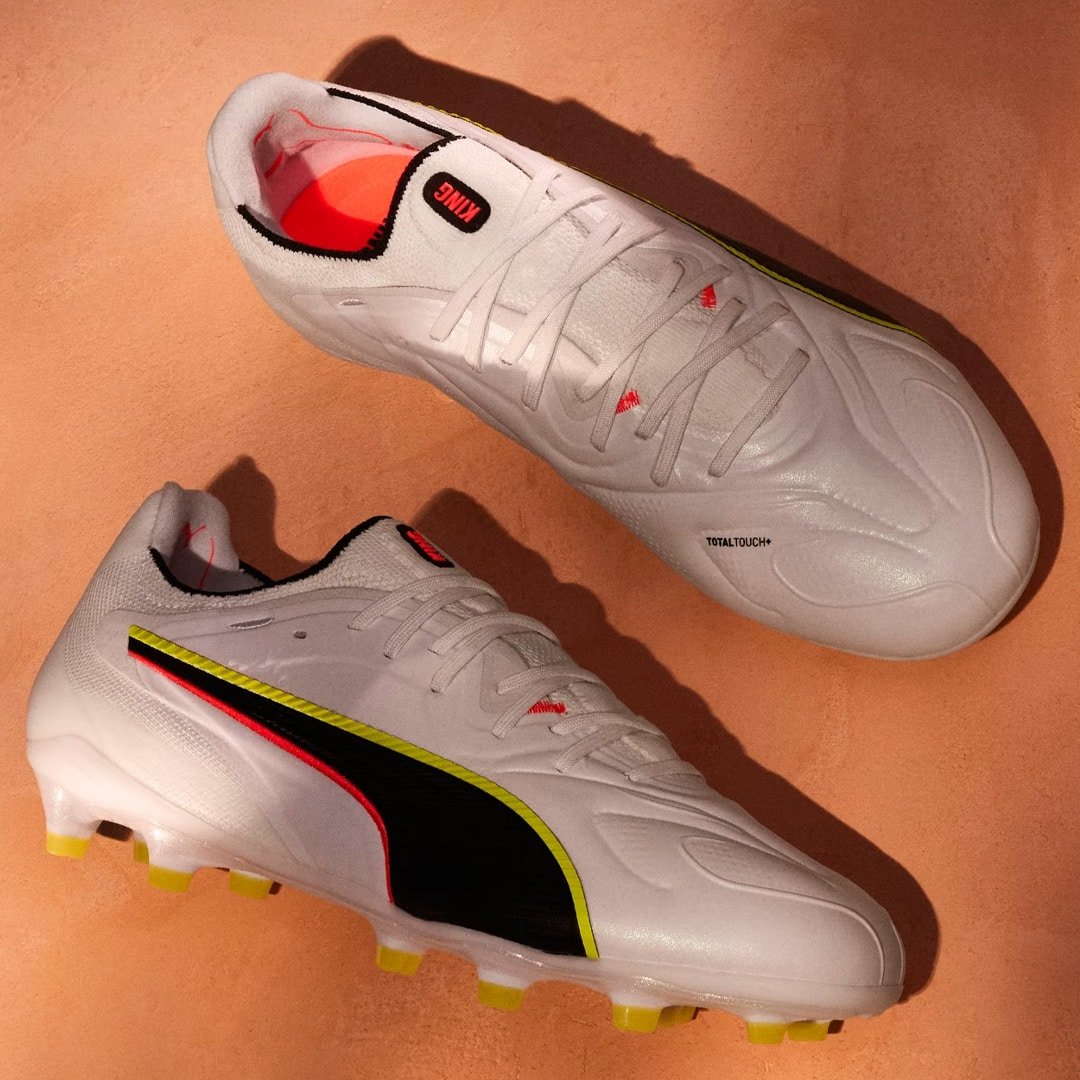
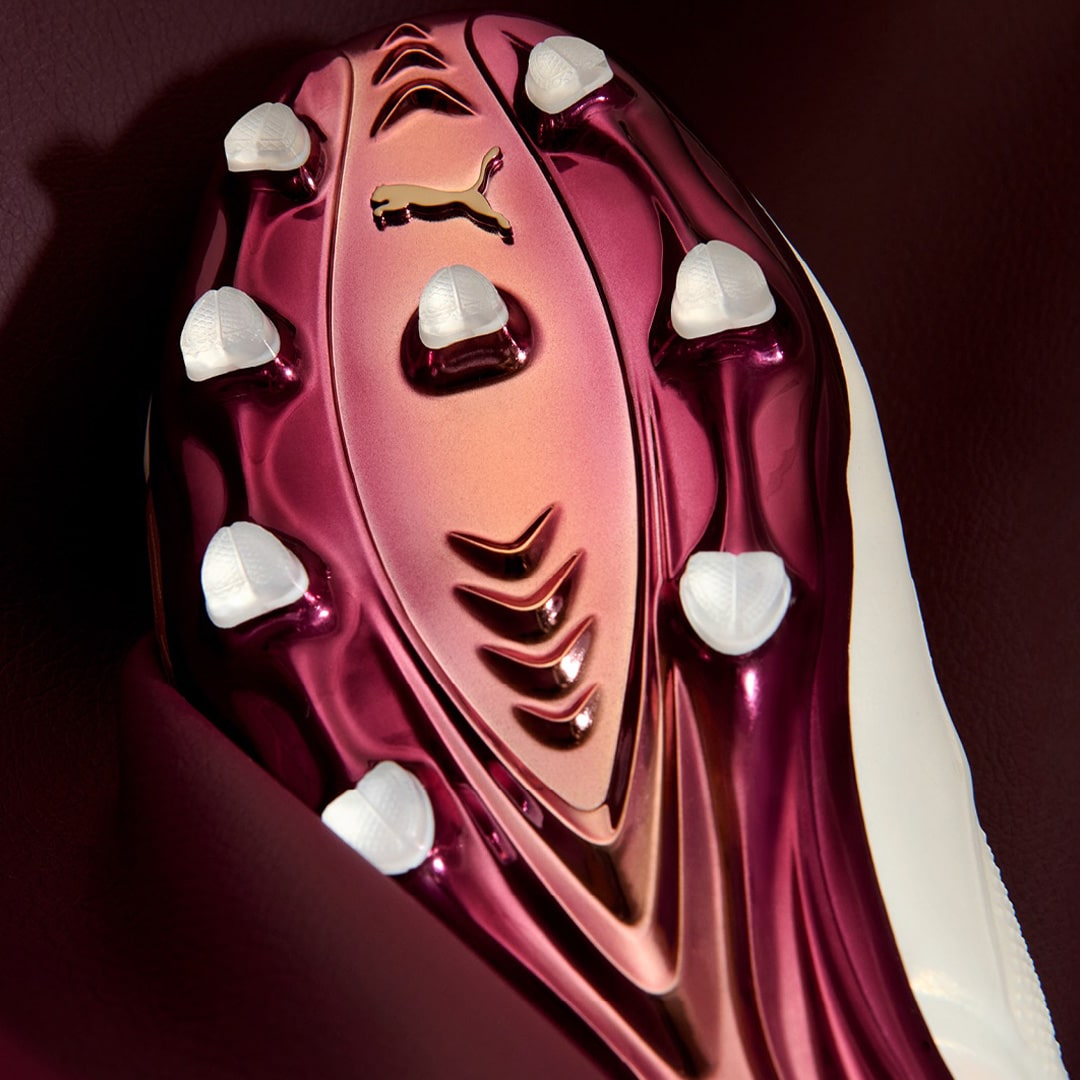
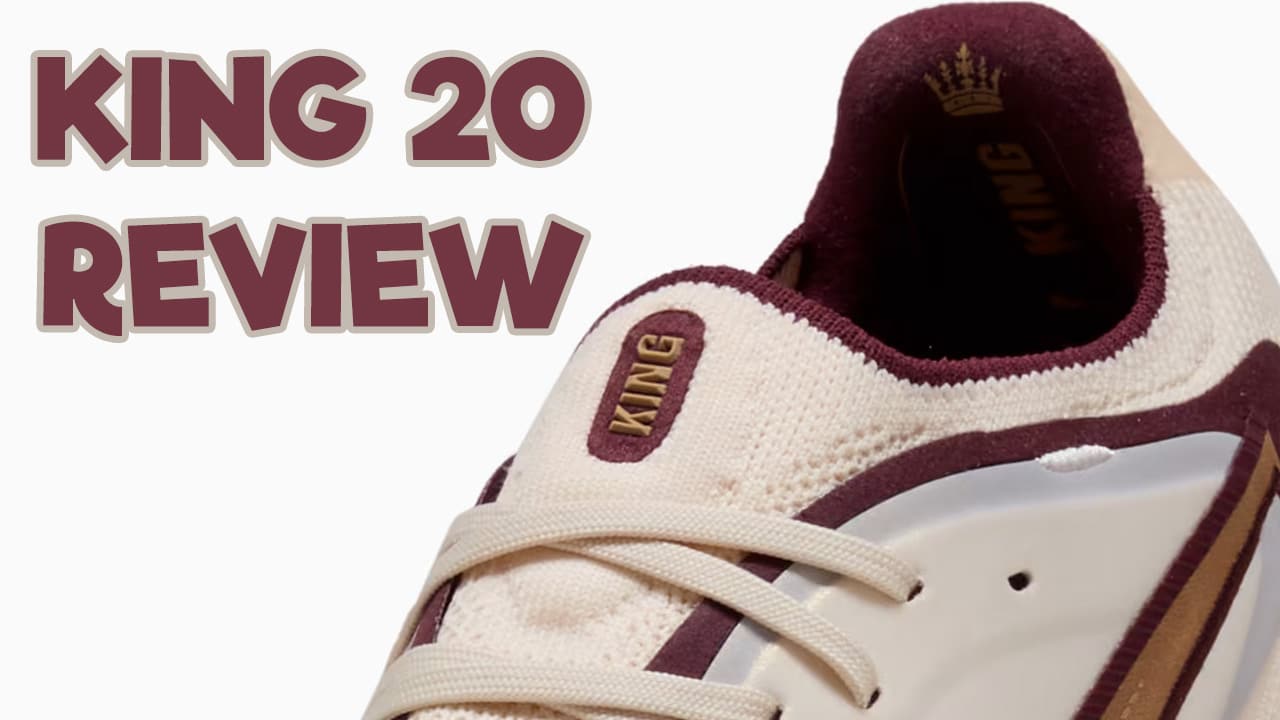
The King 20 is the softest and most comfortable of Puma’s three boots. Its padded TOTALTOUCH+ upper produces a smoother, more dampened connection with the ball than the traditional K-leather it replaced, while the accommodating shape and cushioned heel make it the most suitable Puma option for wider feet. The PEBA outsole feels balanced and stable rather than aggressively propulsive, right for players prioritising comfort and touch over a barefoot feel or aggressive speed-boot traction.
Future vs Ultra vs King: Head-to-Head
Puma’s three silos are genuinely different tools rather than the same boot at different price points. Here’s how they compare side by side.
| Future 9 | Ultra Nitro 7 | King 20 | |
|---|---|---|---|
| Identity | Freedom & agility | Urgency & speed | Composure & comfort |
| Feel | FUZIONFIT wrap, FLEXGILITY outsole shaped for pivots | Lightest, thinnest, tightest; SPEEDSYSTEM + FastTrax push-off | Softest touch; TOTALTOUCH+ upper, balanced PEBA outsole |
| Fit | Secure midfoot wrap, less restrictive than Ultra | Narrow-to-medium width, closest lockdown | Most accommodating; best Puma option for wider feet |
| Best for | Creative dribblers who turn, twist and change direction | Quick players wanting a close, responsive sensation | Players wanting the ball to settle over 90 minutes |
| Think twice if | You want the lightest speed boot or deep padding | You have wider feet or prefer a forgiving, cushioned touch | You want a barefoot touch or aggressive speed-boot traction |
| Tier to buy | Pro — keeps the adaptive upper and grip zones | Match — unusually keeps NITROFOAM, SPEEDSYSTEM 2.0 & FastTrax 2.0 | Pro — TOTALTOUCH stays soft without the Ultimate premium |
Which Puma Football Boots Should You Buy?
If your game is built on turns, cuts and unpredictable movement, the Future 9 is the right silo, and Pro is the tier that keeps that identity intact without Ultimate pricing. If acceleration and straight-line speed decide your matches, the Ultra Nitro 7 is the pick, and Match is the exception to the usual value rule: it retains NITROFOAM, SPEEDSYSTEM 2.0 and FastTrax 2.0, so most of what makes the Ultra fast survives the drop in price. If you want the ball to settle and a boot that stays comfortable across 90 minutes, especially with wider feet, the King 20 is the answer, with Pro as the sensible tier once TOTALTOUCH+ isn’t essential. Across all three silos, Pro is usually where the boot’s real character survives the price cut — the Ultra Match is the one place that changes, because it holds onto more of its higher-tier technology than the Pro/Match gap elsewhere in the range.
Popular Footballers under the Puma Brand
Puma happens to have a marquee name plus a few more football stars, namely:

Neymar — Future 9
The Brazilian spent 15 years with Nike wearing the likes of the Hypervenoms and Mercurial Vapors before joining Puma in 2020. His game is built on receiving in tight areas, manipulating the ball and changing direction before a defender can settle, which is exactly the unpredictability the Future 9’s agility concept is designed around. He has now received multiple signature releases for his Future boots.

Jack Grealish
Jack Grealish also wears the Puma Future, his close control and change-of-pace running through midfield a further example of the silo’s agility identity in the Premier League.
Christian Pulisic — Ultra
Pulisic is an Ultra silo athlete: his sharp first step and direct carries that attack defenders at speed reflect exactly what Puma’s speed boot is built to encourage. He wore the Ultra 6 as part of Puma’s 2026 tournament KidSuper edition; it isn’t just about outright sprint speed, it’s about creating separation at the decisive moment.
Xavi Simons — King 20 Launch Face
Simons was the face of the King 20 launch: he receives between the lines, turns away from pressure and carries the ball into dangerous areas, the kind of composed, technical style the King 20 is built around. Puma reporting in early 2026 suggested a possible switch to the Future, so treat the King 20 link as his launch identity rather than a confirmed current match boot.
Kyle Walker and Kingsley Coman have also been associated with Puma.
Recent Puma Releases
The most recent pack is below; earlier 2026 colourways and collaborations are available on toggle.
247
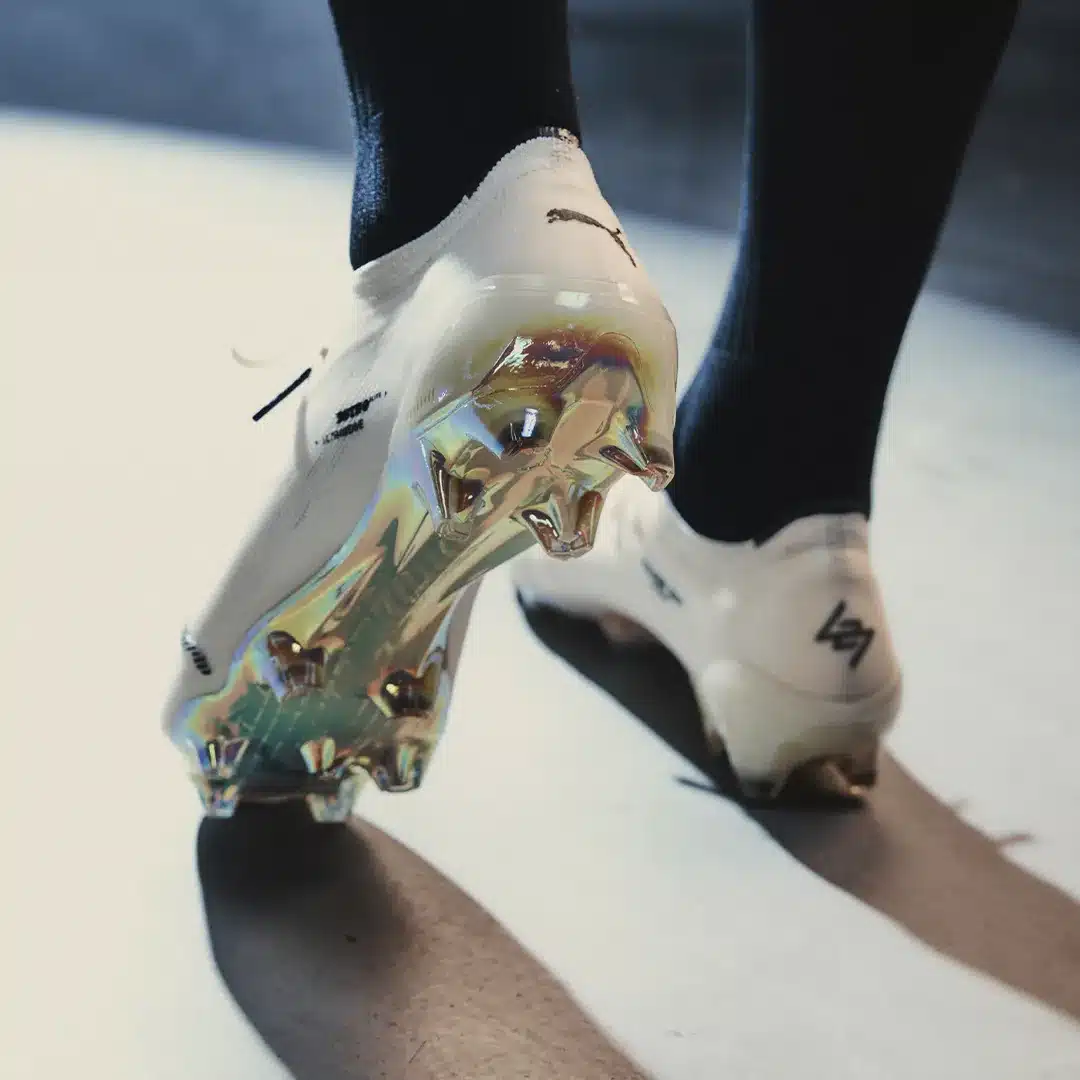
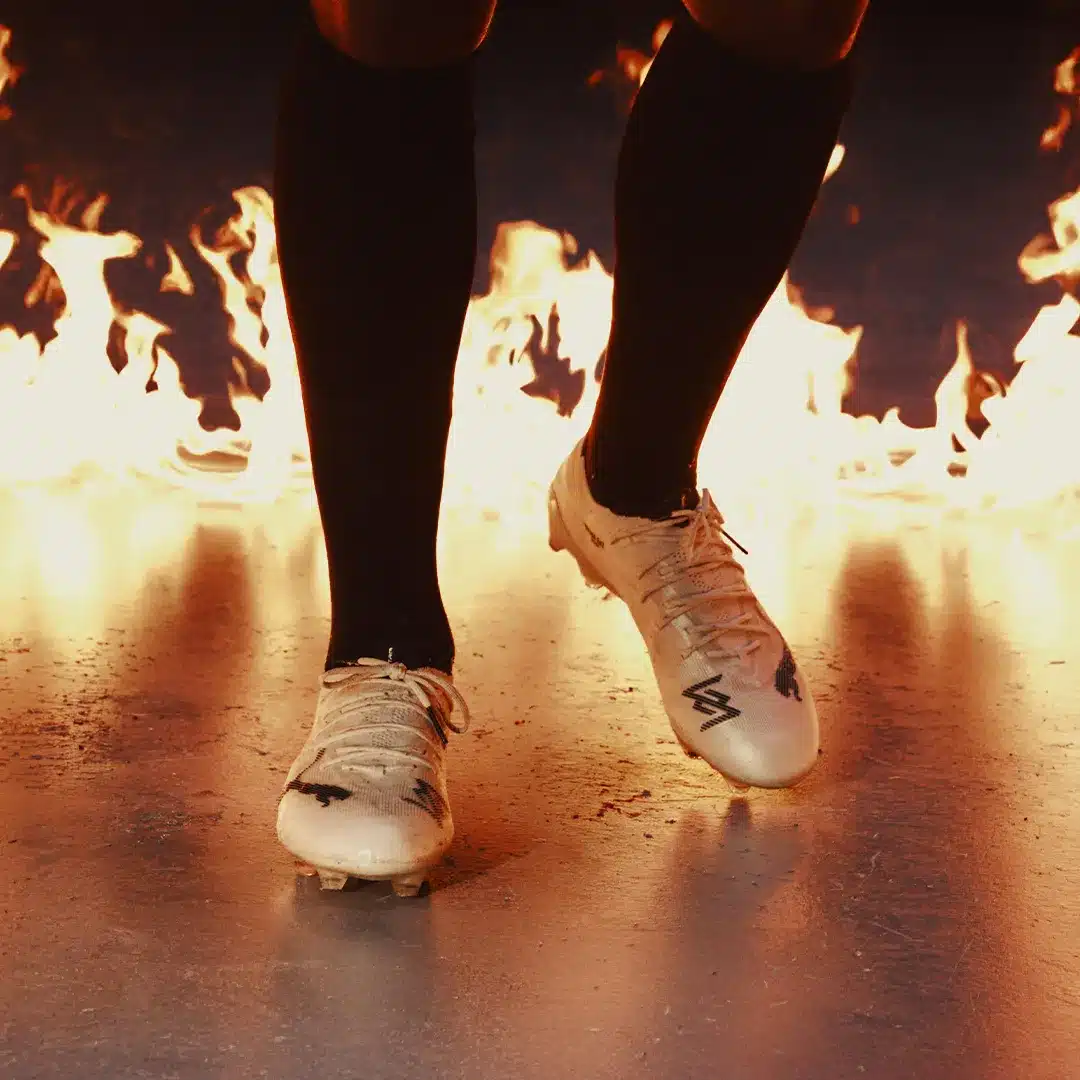
The Puma x 247 Ultra Nitro 7 brings the style of Represent’s performance label into football, drawing on its British streetwear roots and training culture. A creamy off-white upper and matching laces give the boot a refined look, sharpened by black, diagonally striped Puma and 247 logos alongside subtle ‘TEAM 247’ lettering. The standout detail sits underneath: an iridescent soleplate that shifts through blue, pink, green and gold as it catches the light, adding a futuristic shimmer to the otherwise understated design.
Show earlier 2026 Puma packs (Arrival, Showtime, City Edition, Blackout, Whiteout)
Arrival

Arrival pack arrived toward the end of the 2026 World Cup to pivot the attention to the start of the 2026/27 season. But more than being just a season-opening pack, it also debuted the 7th generation of the Puma Ultra. It reengineered the ULTRAWEAVE upper and updated the SPEEDSYSTEM outsole, but the highlight of this generational update was the inclusion of Puma’s proprietary NITROFOAM cushioning technology. This meant that the Ultra 7 incorporated a premium nitrogen strobel unit, where in turn a nitrogen-infused insole sat upon, all targeted to improve the boot’s energy return. Speaking of the Ultra 7, Puma had also made their latest speed boot available in a laceless version.


Showtime

Puma dressed their silos in gradients with their Showtime Pack, launched at the end of the 2025/26 season. The look was inspired by the mismatched colour detailing of the 2014 and 2016 Tricks Pack. At least for the Future and Ultra, this meant that the heel started with a pink shade, softly transitioning to blue and amber on the front side in the right and left boot respectively. The King, which had its upper in white, employed the mismatch detailing mostly on the forefoot pinstripe detailing and on the colour of the sole.
City Edition
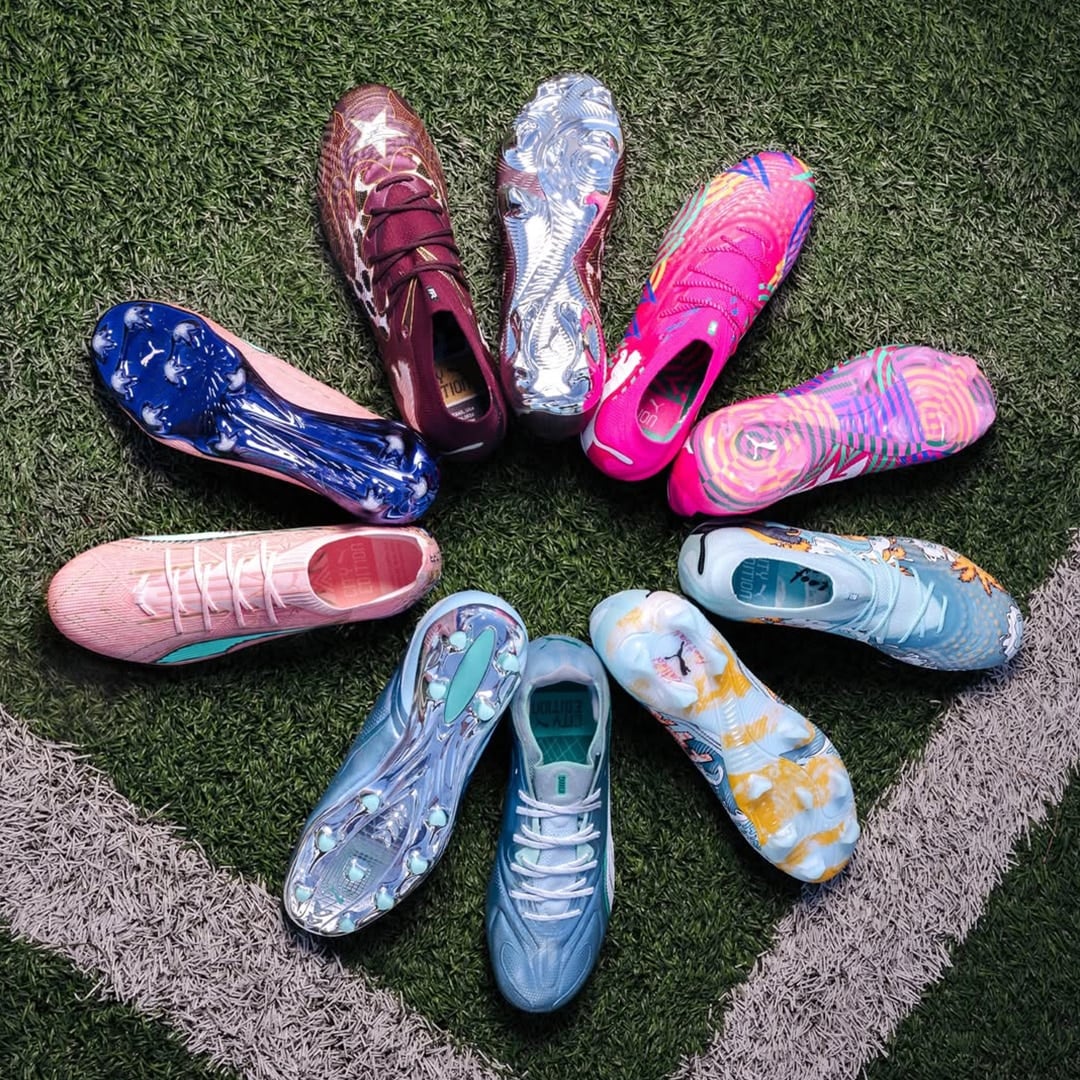

This special pack celebrated the 2026 World Cup and five of its host cities, three of which were represented by the Future 9 and one each for the Ultra 6 and King 20. The Los Angeles Future 9 depicted the surf culture and boardcore styling. Future 9 Dallas was inspired by the cowboy heritage, while Future 9 Mexico expressed the fiesta-vibe of the city. Ultra 6 Miami was all about the beach nightlife and the King 20 New York manifested the architecture and mirror maze of the concrete jungle.
2026 Blackout
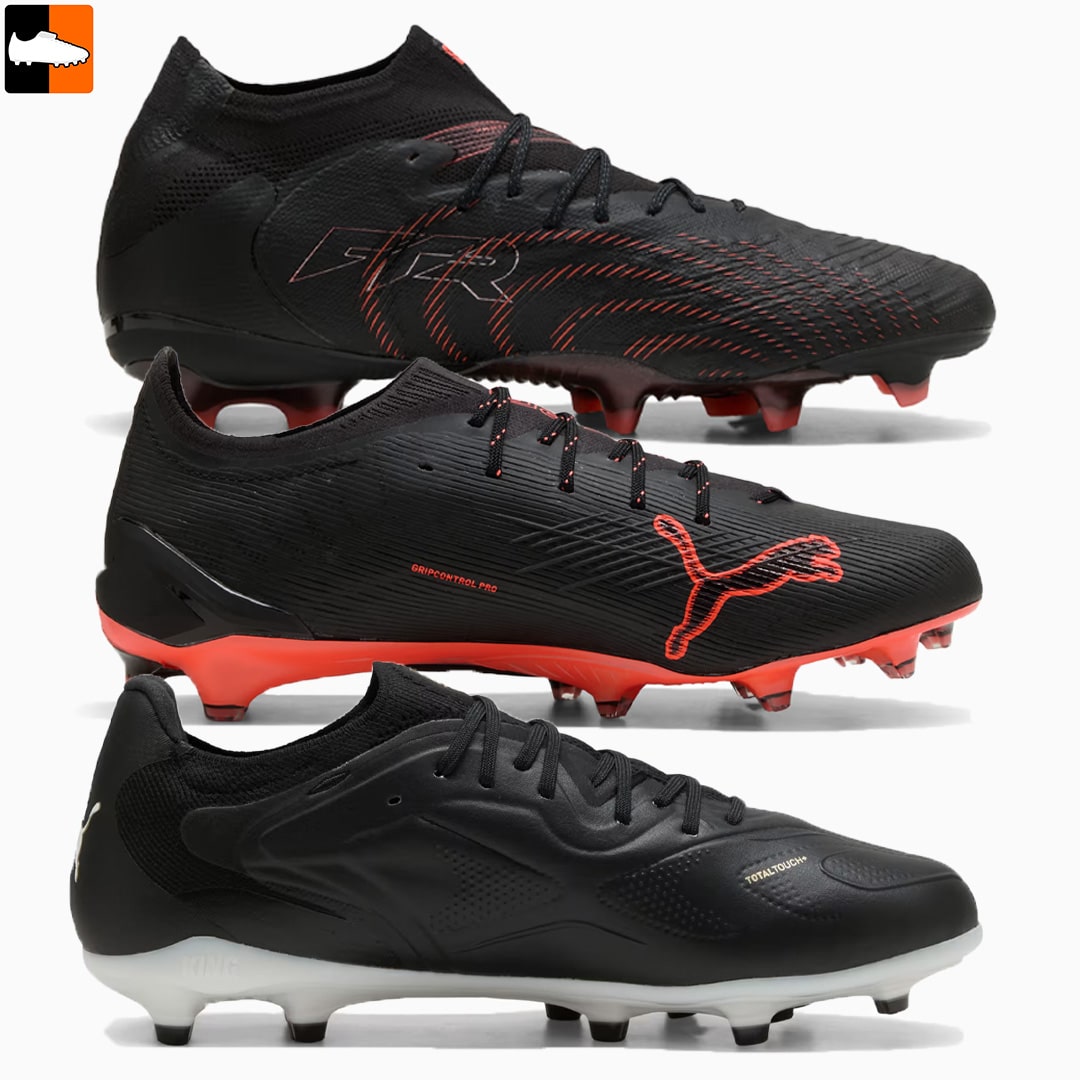
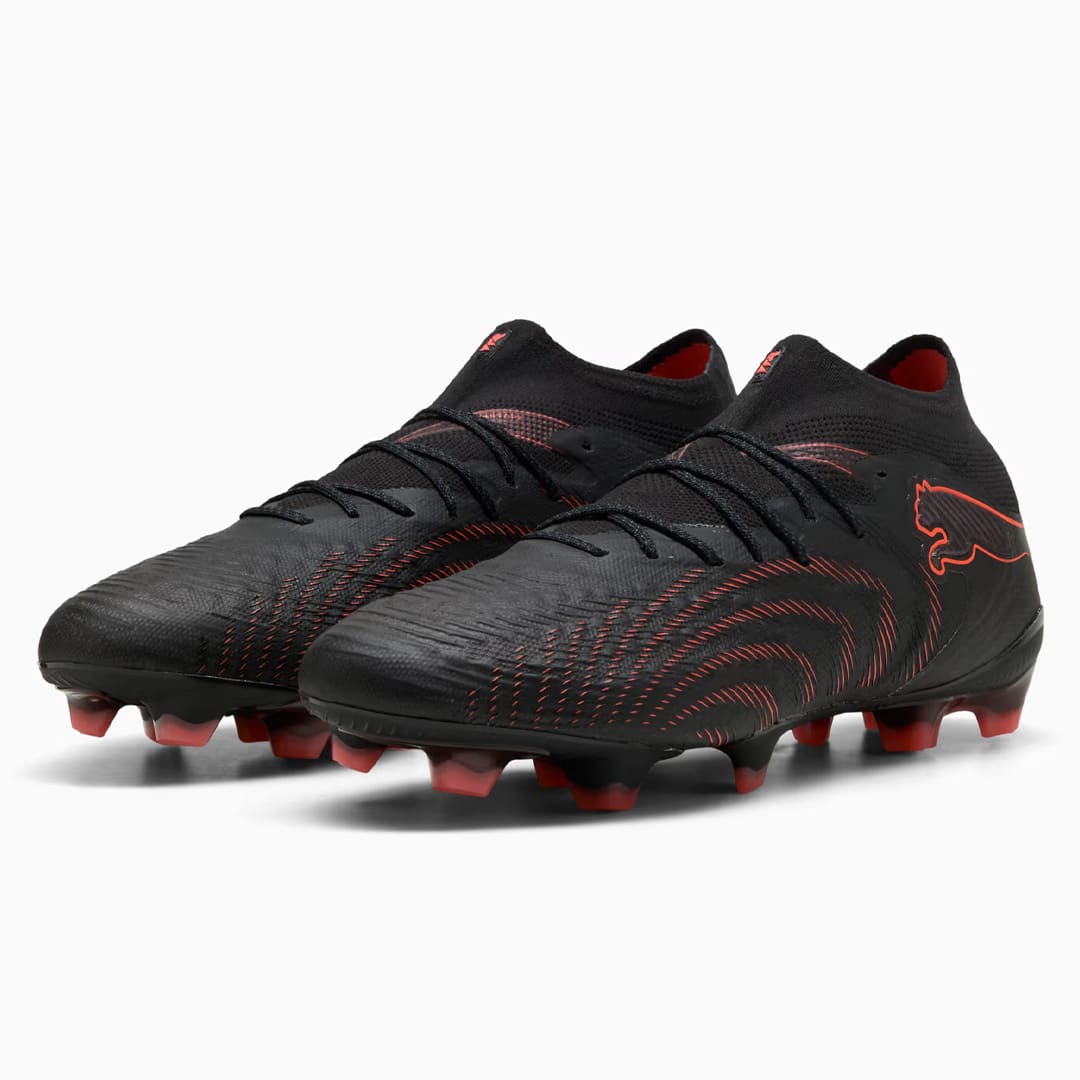
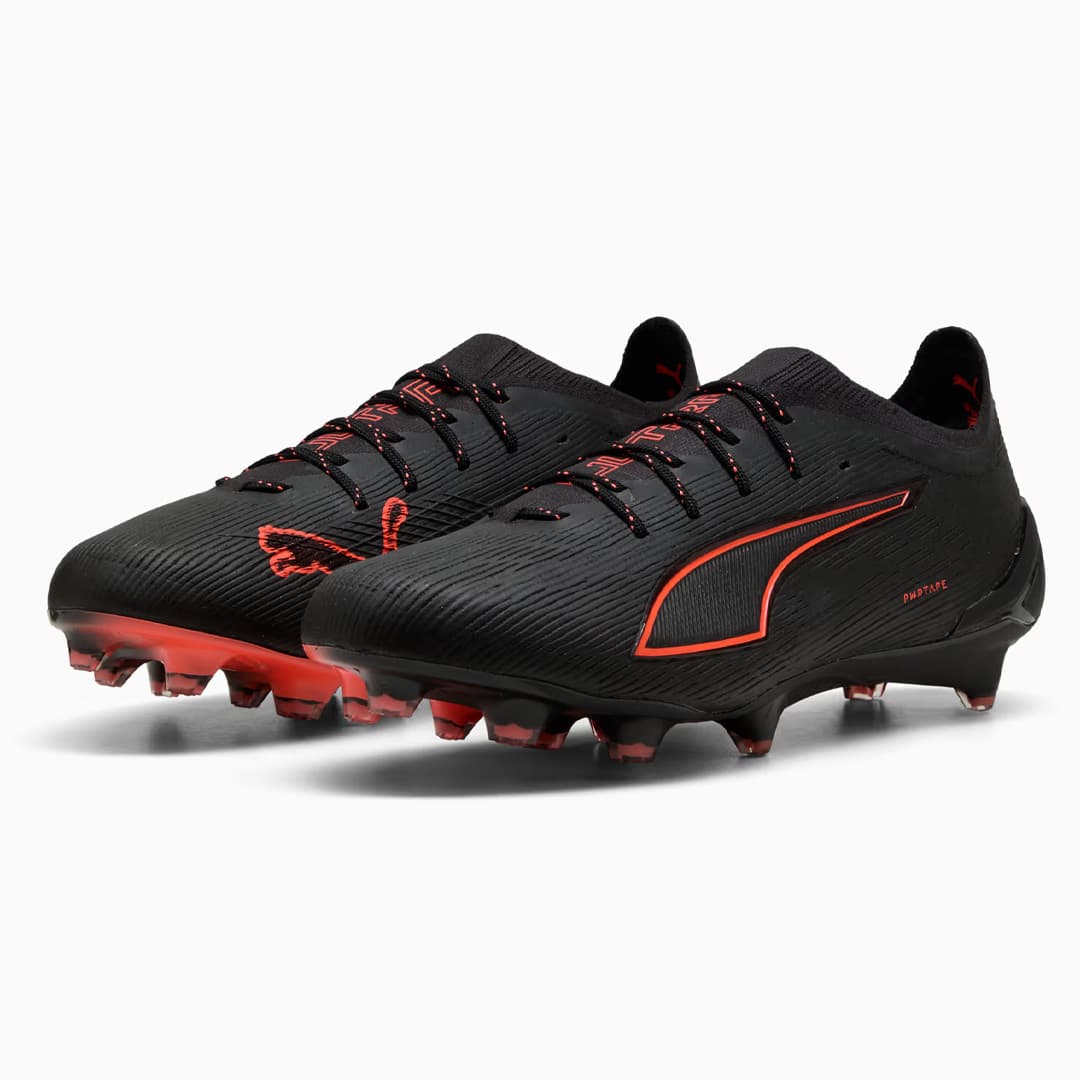
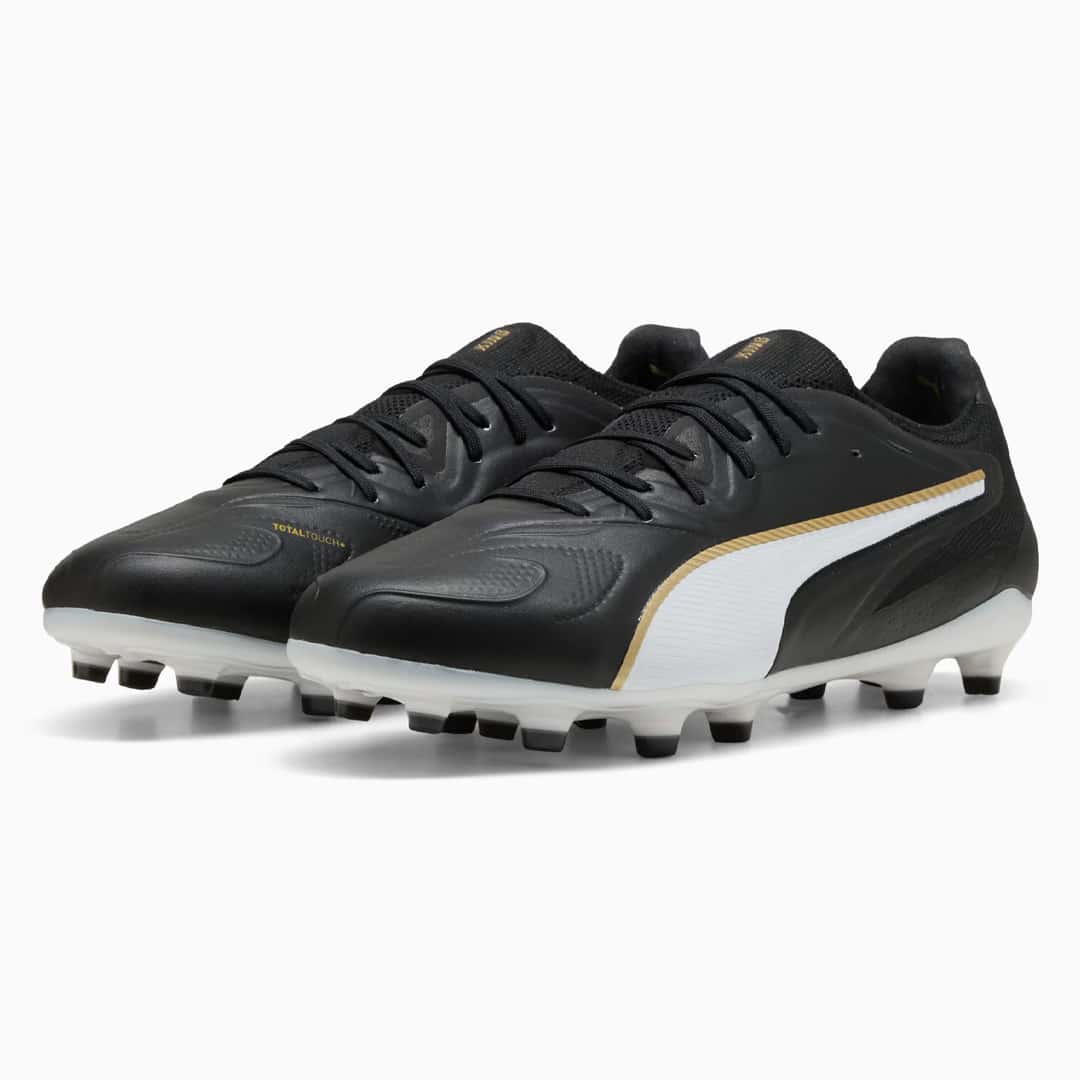
For Puma’s permanent black options for 2026, the brand decided to use Glowing Red to accent the Future 9 and the Ultra 6. It was applied as an outline to the Puma logos, the detailing of the bespoke Future graphic and the shading of the Ultra branding. On the other hand, things were kept classic and timeless with the King, which had a black and white contrast from its upper and soleplate, as well as a golden highlight around the arch of its white Formstrip.
2026 Whiteout
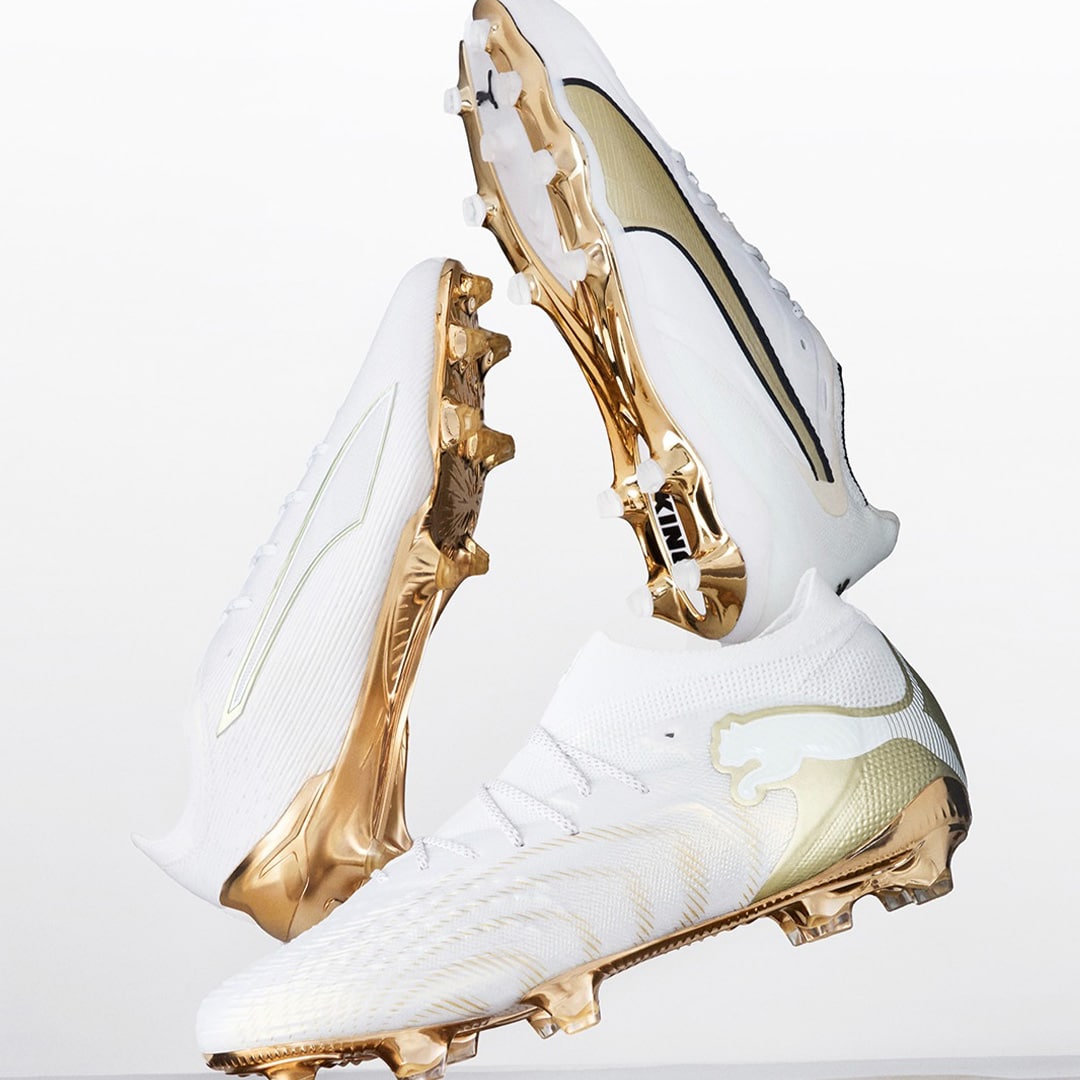
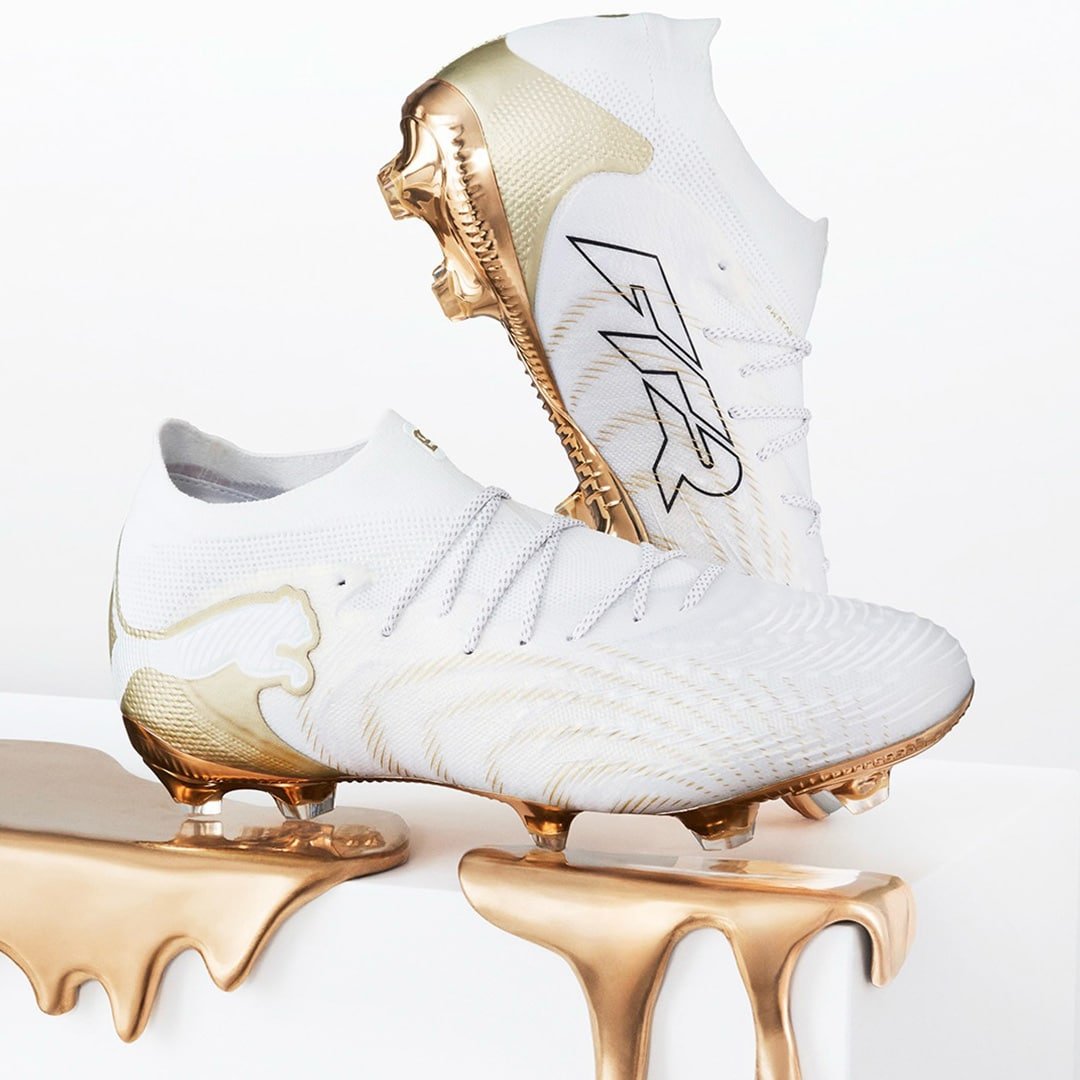
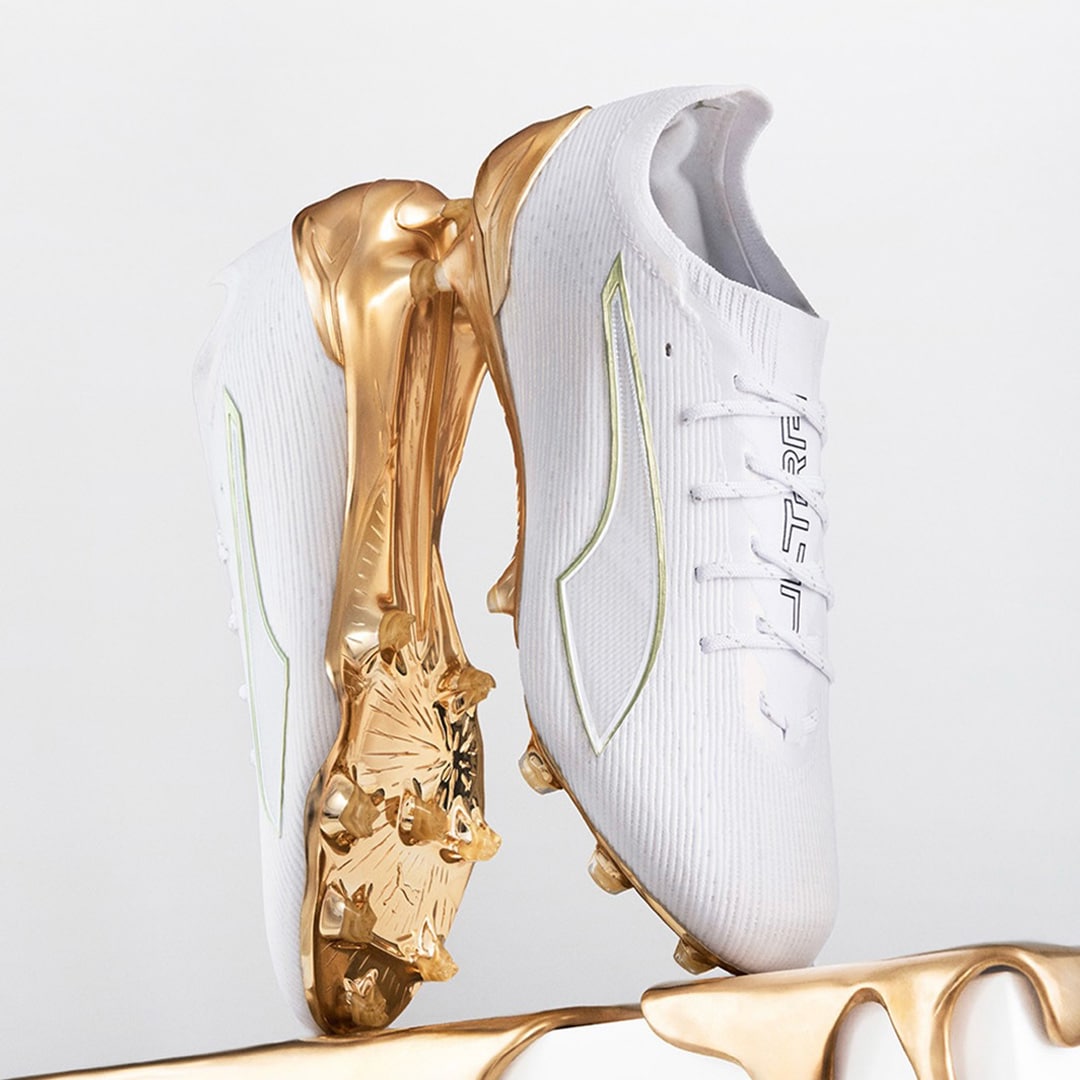
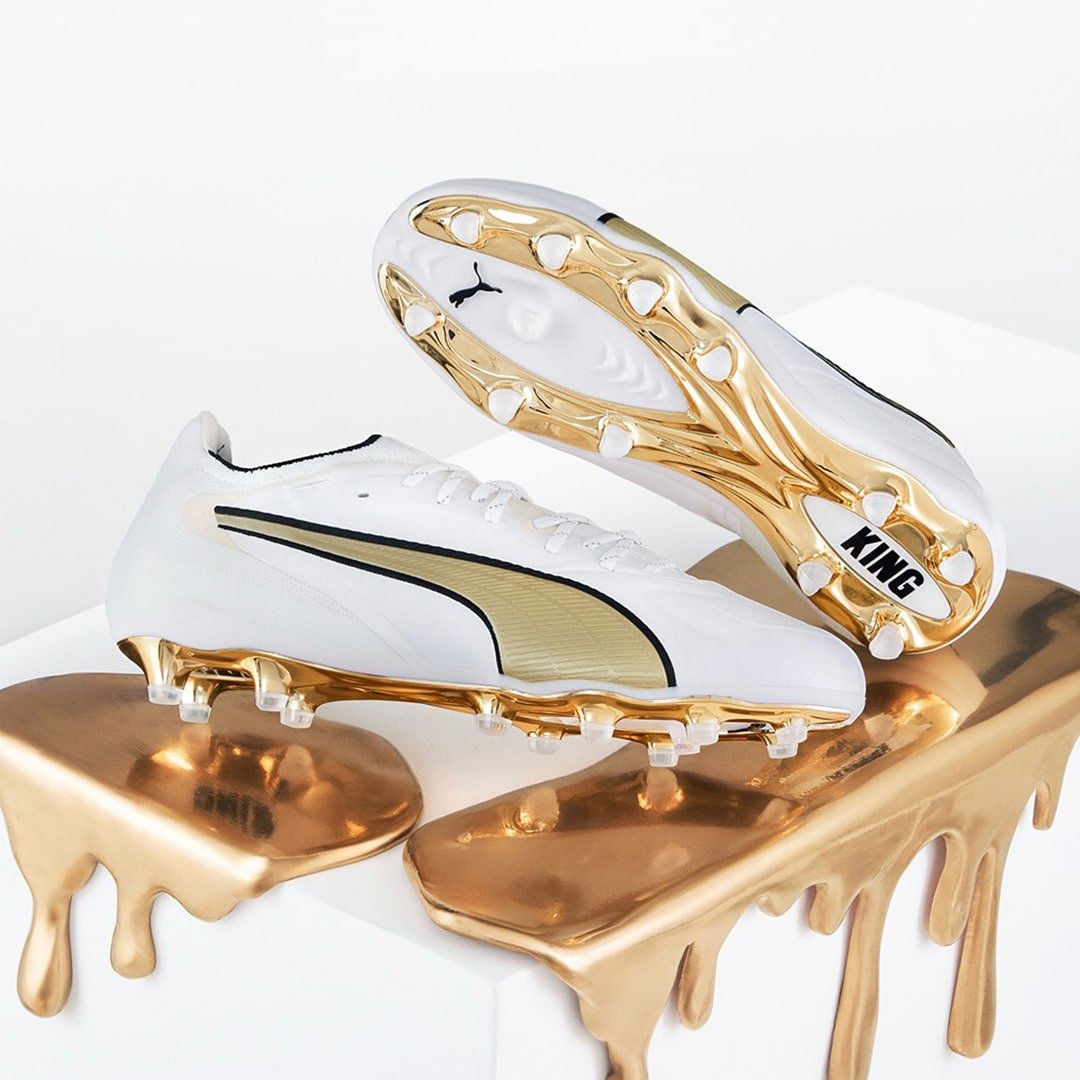
Puma updated their permanent whiteout lineup for 2026 that saw the Future 9, Ultra 6 and King accented heavily with gold. Much of the flashiness came from the chrome finish of the soleplates, while a shade of matte gold coloured the detailing on the upper. The Ultra 6 arguably had the cleanest look of the bunch, while the Future 9 added a bit of a rippling graphic and heel background, and the King once again giving prominence to the classic Formstrip.
Why Do I See The Same Puma Boot at Different Price Points?
If you browse Puma boots now, you might see, for example, the Puma Future Ultimate costing almost three times as much as the Future Match. Why is that?
Those who really take football as their career need the very best objective performance the boot can give them, while recreational players might not need as much. Puma then allows its boots to be available at multiple price options to accommodate these casual players who would need to strike the right balance between quality and budget considerations.
Puma has its unique naming system in labelling the top-end and its cheaper counterparts. From top to bottom, we have the Ultimate, the top-end level, followed by the Pro, Match and Play. The succeeding lines after the Ultimate are the more affordable alternatives, with the key features being downgraded or outright removed in each successive tier.
But is it really the case that the more expensive ones are the better Puma football boots? More often that not, yes, but there are still those few instances where the cheaper variants seem to be the better boot depending on what you’re looking for. Football Boots UK sorts this kind of information with our review and analysis of each and every boot, so all you have to do after reading our content is to get your Puma pair from your favourite online or physical store…
Where Is The Real Quality Drop-Off?
Ultimate is the fullest expression of each boot: the Future gets its premium FUZIONFIT upper and FLEXGILITY outsole, the Ultra combines a lightweight dual-mesh upper with NITROFOAM Elite, and the King uses the softest TOTALTOUCH+ upper with its most complete cushioning and fit package. Touch, lockdown and underfoot movement all feel more refined, though the improvement over Pro may not justify the price for every player.
Pro is usually the strongest value in Puma’s range — the materials are slightly heavier and less sophisticated, but most of the boot’s intended character remains. The Future Pro still provides an adaptive dual-layer upper, midfoot support and textured grip zones; the Ultra Pro retains NITROFOAM, SPEEDSYSTEM 2.0 and FastTrax 2.0 traction; the King Pro replaces TOTALTOUCH+ with the slightly less premium TOTALTOUCH upper but stays soft, comfortable and accommodating.
Match is where the first obvious quality drop appears, particularly in the upper, as premium knitted or woven constructions are replaced by more conventional mesh or synthetic materials. The severity depends on the silo: the Ultra Nitro 7 Match is unusually well equipped, retaining NITROFOAM, SPEEDSYSTEM 2.0 and FastTrax 2.0, so most of the compromise is in weight and upper refinement. The Future Match keeps its flexible shape, support tape and pivot-focused stud layout, but its embossed mesh upper cannot reproduce the fit or grip of the higher tiers. The King Match drops from TOTALTOUCH to SOFTTOUCH+, remaining comfortable but losing much of the softness and consistency that make the Ultimate and Pro distinctive.
Play is Puma’s entry-level tier and represents the largest overall reduction in quality. These boots retain the recognisable shape, colourway and basic identity of the higher models, but use simpler uppers, internal padding and soleplate constructions. The Future and King Play feel more conventionally synthetic, while the Ultra Play preserves its streamlined shape and speed-focused stud layout without the NITROFOAM cushioning or refined dual-mesh construction of the higher tiers.
In short: Ultimate to Pro is mainly a reduction in refinement, making Pro the best-value tier for most regular players. Pro to Match is where the premium fit and touch begin to disappear, although the Ultra Match retains an unusually large amount of its higher-tier technology. Match to Play is the clearest functional drop, with Play offering the appearance and basic character of the silo rather than its full performance experience.
Puma Boots FAQs

Which Puma football boot is best?
There’s no single best Puma boot, it depends on how you play. Choose the Future 9 if your game is built on turns and creative movement, the Ultra Nitro 7 if you rely on straight-line speed, or the King 20 if you want a softer, more forgiving touch. Within whichever silo you choose, Pro is usually the best-value tier.
Is Puma Pro worth buying instead of Ultimate?
For most players, yes. Pro keeps most of a silo’s intended character with slightly heavier or less refined materials than Ultimate, without the full Ultimate price. The Ultra Nitro 7 Match is the specific exception worth considering even below Pro, since it retains an unusually large amount of higher-tier technology (NITROFOAM, SPEEDSYSTEM 2.0, FastTrax 2.0).
Football Boots UK Reviews of Puma Boots
For more information check out our Boot Secrets guide, where we help you choose your next pair, including all those from Puma.

Classic Puma Football Boots
Over the years, Puma accumulated boot entries that are hall-of-famers by now if there is one for football boots.
Show Puma history and classic boots

evoSPEED
The evoSPEED competed directly with the best Mercurials and F50s that Nike and adidas had to offer, with Puma’s iconic speed-boot line consistently chasing the lightest boot on the market.

evoPOWER
Cesc Fabregas, Yaya Toure and Marco Reus all at one point wore the Puma evoPOWER, a boot that simply aided the power and accuracy of these players. It normally joined the evoSPEED in carrying the half-and-half design of the Tricks Packs.
PowerCat
The PowerCat continued the protective, padded approach previously seen in the v-Konstrukt and became one of Puma’s most respected power boots. The PowerCat 1.12 combined a soft leather forefoot with 3D PST DUO elements through the instep, creating a cushioned contact area intended to improve grip and provide a cleaner striking surface. Cesc Fabregas was its leading ambassador, with Nemanja Vidic and Giorgio Chiellini reinforcing its reputation for protection and stability. Modern Puma no longer produces a dedicated power silo, but the King 20 shares the PowerCat’s preference for a cushioned touch and stable feel, delivered in a softer, more streamlined package.

Kings
Pelé, Johan Cruyff and Diego Maradona all wore this classic Puma leather boot, cementing its status among football’s true kings.

V1.11
One of the more popular boots from the V-series, the V1.11 focused on balance and stability, with a velcro tongue design to keep the striking surface clean. It’s best remembered as the boot Sergio Agüero wore for his famous injury-time goal against QPR in 2012, which won Manchester City the Premier League title.
evoTOUCH
Introduced in 2016, the evoTOUCH was relatively short-lived but combined traditional and modern materials successfully — a soft leather exterior over an evoKNIT internal sock, with GripTex helping to prevent the foot sliding inside. The result was a secure, glove-like fit and a beautifully cushioned touch that made the evoTOUCH Pro particularly well received among boot enthusiasts. Its influence is clearest in the King 20, which similarly combines a consistently soft upper with a knitted structure and modern lockdown system.
About Puma Boots
Rudolf Dassler founded Puma in Herzogenaurach in 1948, and football quickly became central to the young company. The Atom arrived in 1950 as a lighter alternative to the heavy, high-cut boots still common at the time, before the Super Atom brought interchangeable screw-in studs into serial production in 1952, allowing players to adjust their traction for different pitch conditions. In 1970, at the World Cup in Mexico, Pele wore Puma Kings as he was named player of the tournament. Diego Maradona wore Puma boots at his appearances at the finals in 1982 and 1986 and Lothar Matthäus had on Puma boots as he captained Germany to World Cup success in 1990.


Puma boots became synonymous with players such as Pelé and Diego Maradona, who wore the traditional leather King while winning World Cups. The brand later moved away from that version of the King as it rebuilt its football range around newer performance lines, including evoSPEED and evoPOWER. Puma subsequently revived the King name with a modern construction. Today’s King 20 continues the silo’s emphasis on touch and comfort, but it is a contemporary synthetic performance boot rather than an unchanged continuation of the original leather King.


Ready to choose your Puma boot? Shop Future 9 Pro, Ultra Nitro 7 Match or King 20 Pro options.
