

The Puma Ultra Nitro 7 is built for players who create danger by running.
Within Puma’s range, the Future is freedom, the King is composure and the Ultra is urgency. The Nitro 7 keeps that urgency and adds something new underneath it: energy.
See where Puma sits against everyone else in our most popular football boots ranking, or compare it with its siblings on our Puma football boots page.
My quick verdict
The Ultra Nitro 7 Ultimate is the most complete Ultra I have played in. It is still a direct, lightweight speed boot, but it judges speed by response, traction and repeatability rather than weight alone. That is the real change. The Vapor 17 chases a barefoot, barely-there feel and the F50 Hyperfast balances lightness with structure. Puma has chosen a third route: speed with more energy underfoot.
You feel that energy in two places. The PEBA-based SPEEDSYSTEM 2.0 outsole gives a firm, controlled snap on forceful toe-offs, and the NITROFOAM Elite in the sockliner and footbed softens the plate so repeated sprints feel less punishing. I would not sell it as a way to run faster. Its real value is that you feel fresher for longer when the match asks for run after run into the channels.
The heel is the biggest improvement. Earlier Ultras could feel flat against the back of the foot. This one curves around it properly and holds the rearfoot without any bulk. The ULTRAWEAVE upper is where the compromise sits: it is thin, flexible and gives a close, direct touch, but it does not clamp the midfoot as firmly as the heel holds the rear of the foot.
I have played in most of the Ultra era, from the earliest Ultras through the Ultra 6 to this Nitro 7. It is the first generation where the pieces feel like they belong together: a light upper, a responsive plate, cushioning that earns its place and a heel that finally does its job.
It isn’t the lightest speed boot, and it isn’t the most locked down. It is the one I would choose for repeated forward acceleration.
Check the Ultra Nitro 7 at Puma
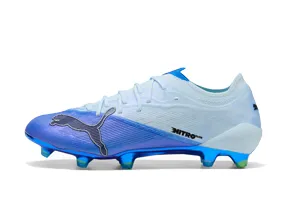
The full ULTRAWEAVE and NITROFOAM Elite build this review is based on. Laced, laceless and AG.
Check the Ultimate at Puma ↗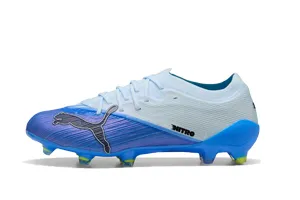
The same outsole and studs as the Ultimate, with a dual-mesh upper and standard NITROFOAM.
Check the Pro at Puma ↗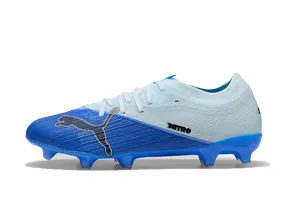
The most accessible way into the Nitro 7, with a FG/AG outsole for mixed surfaces.
Check the Match at Puma ↗Puma Ultra Nitro 7: pros and cons
Pros
- NITROFOAM Elite takes the harshness out of the plate, so the tenth sprint feels as comfortable as the first.
- SPEEDSYSTEM 2.0 gives a firm, controlled snap on forceful toe-offs.
- The curved heel holds the rearfoot securely without bulk, a clear step up from earlier Ultras.
Cons
- On hard cuts and sharp braking the foot can move before the upper catches up.
- Responsiveness depends on the fit: any internal movement stops the foot using the snap.
- It runs slightly short, with toes touching the end at true to size. Consider half a size up if your toes feel compressed.
FootballBoots.co.uk is an independent, unaffiliated review site, and all opinions in this review are our own. This page contains affiliate links, which may earn us a commission if you choose to purchase, but this does not influence our reviews. This review is by Dean Ariola, FootballBoots.co.uk’s Chief Writer, who tested the Ultra Nitro 7 on the pitch.
| Football identity | Speed with energy underfoot: repeated acceleration and drive |
|---|---|
| Best for | Wingers, channel strikers, overlapping full-backs and pressing forwards who make run after run, and players who prefer a close, direct touch |
| Fit | Anatomical speed last: tapered midfoot, accommodating forefoot, curved heel. Puma lists it as a narrow fit, but it is kinder through the toes than that suggests. Not a rigid, clamped-down boot |
| Sizing | Runs slightly short. True to size for most players, half a size up only if your toes feel compressed |
| Surface | Ultimate FG for firm natural grass, a dedicated AG Ultimate for artificial, and a FG/AG outsole on the Match |
| Range | Ultimate (laced and laceless), Pro and Match, plus a women’s fit version |
| Worn by | Neymar Jr, Xavi Simons, Cody Gakpo, Morgan Rogers and Christian Pulisic, among others |
| Where it sits | Puma’s speed silo, alongside the Future and the King |
Football identity: what the Ultra Nitro 7 is for
Within Puma’s range, the Future is freedom, the King is composure and the Ultra is urgency. The Nitro 7 Ultimate enters a speed category shaped by two rivals. Nike’s Vapor 17 chases a barefoot, barely-there feel, while the adidas F50 Hyperfast balances lightness with structured lockdown. Puma’s answer is a third interpretation: speed with more energy underfoot. A nitrogen-infused sockliner combines with the PEBA-based SPEEDSYSTEM 2.0 outsole and FastTrax 2.0 studs to add cushioning and rebound, while the lightweight ULTRAWEAVE upper gives a close fit and a direct touch.
It is a typically Puma approach: expressive, experimental and unwilling to copy the market leaders. The Ultra carries the v1 and evoSPEED legacy forward, but it now measures speed by response, traction and repeatability rather than weight alone. The question I wanted answered was whether the extra cushioning genuinely improves acceleration or just makes the boot feel more substantial than its rivals. After playing in it, the honest answer is that the boot does feel more substantial than a Vapor, but what you get for that is comfort and freshness across repeated efforts rather than a dramatic burst.
Puma Ultra Nitro 7: buy it or not
- You make repeated runs in behind, into the channels or up the wing
- You want cushioning and comfort without giving up a snappy outsole
- You like a close, direct touch and carry the ball at speed
- You want more forefoot room than most speed boots give you
- You value heel security and can get the midfoot to fill
- Your game is built on sharp cuts in confined spaces
- You want a rigid, clamped-down fit through the midfoot
- You want the absolute lightest boot on the shelf (look at the Vapor)
- You have a very narrow or low-volume foot and cannot try before you buy
- You are buying for control and grip on the ball rather than pace

Who the Ultra Nitro 7 is for
The ideal Ultra Nitro 7 player generates danger through repeated acceleration. It particularly suits players who move from a jog into a full sprint over and over, and who want an outsole that stays energetic across every effort. It also favours a direct style on the ball: quick touches into space, carrying the ball at speed, feeling it closely rather than receiving extra padding or grip.
Moving from a standing or jogging start into a full sprint, with the curved heel keeping the rearfoot secure as the stride lengthens.
Run after run into the same space. The cushioning takes the harshness out of the plate so the tenth sprint feels like the first.
Long forward runs, then recovery, then another. Comfort over repeated efforts is where the Nitro 7 earns its place.
Counter-pressing and chasing an opponent down in the last twenty minutes, when a punishing outsole would be noticed most.
The thin ULTRAWEAVE upper keeps the touch close and direct, so small adjustments are easy without breaking stride.
A moderately wide foot fills the midfoot and counters the give in the upper, which is when the Nitro 7 feels most immediate.
It is less suited to players whose game revolves around constant sharp cuts in confined spaces, or who demand an extremely rigid, clamped-down fit. Its strongest profile is a direct runner who values forward propulsion, repeated-sprint comfort and a close touch more than maximum lateral containment.
What it feels like on the pitch
Explosive transitions
The Ultra feels most purposeful when play suddenly opens up. The PEBA-based SPEEDSYSTEM 2.0 gives a snappy platform for the first few strides, and the FastTrax 2.0 studs bite during the plant and release cleanly into acceleration. That suits counterattacks, recovery runs and any moment when you need to turn open grass into an advantage quickly.
Running onto through balls
Low weight and responsive traction work well when you are attacking the space behind a defensive line. The boot feels quick moving from standing or jogging into a full sprint, and the curved heel keeps the rearfoot secure as you lengthen your stride.
Repeated channel runs and pressing
NITROFOAM Elite matters more across multiple efforts than in one isolated sprint. The cushioning and subtle rebound make the outsole feel less punishing, so the boot stays comfortable through repeated runs into the channels, counter-pressing or tracking an opponent late in the match.
Carrying the ball at speed
The thin ULTRAWEAVE upper gives a close, direct touch that makes small adjustments easy without breaking stride. It works best when you are pushing the ball into space and running onto it, rather than relying on heavily cushioned control or pronounced grip elements.
Sharp cuts and hard braking
This is where it is slightly less convincing. The outsole supplies plenty of traction, but the give through the midfoot can let the foot move fractionally before the upper contains it. Its strengths are clearest in forward acceleration, sustained running and repeated explosive efforts, particularly if your foot shape fills the midfoot securely.
Lockdown and responsiveness
Most of the improved lockdown comes from the redesigned heel. Earlier Ultras felt rather flat against the back of the foot, whereas this heel curves naturally around it and, with a sensible amount of internal foam, holds the rearfoot without feeling bulky. The ULTRAWEAVE upper sits closely over the foot, but there is noticeable give through the midfoot. It is not loose, it just does not clamp the arch as firmly as the heel holds the rear.
Responsiveness comes from the SPEEDSYSTEM 2.0 outsole and NITROFOAM Elite working together. The outsole provides the firm, snappy lever for acceleration and the foam adds a softer bounce that takes some harshness out of the plate. The result is an energetic ride that is most effective in forward take-offs and repeated sprints. How well that response reaches your movement depends on how securely the upper holds your foot. When the midfoot is properly filled, the foot, upper and outsole work as one. If there is excess space, or the ULTRAWEAVE stretches slightly under load, some of the plate’s sharpness is lost before it reaches you. The Ultra is highly responsive underfoot, but it depends on getting the fit right more than the outsole technology alone would suggest.
Fit and feel
| Length | Runs slightly short. At true to size, your toes will likely touch or lightly brush the end of the toe box. That is the close, performance-oriented fit the last is designed for, not a sign the boot is too small. |
|---|---|
| Width | Anatomical, not uniformly narrow. A tapered midfoot opens into a relatively accommodating forefoot, which gives a secure base around the arch without squeezing the toes together. |
| Best foot shape | Medium to moderately wide, particularly if the extra width is across the forefoot. A fuller foot fills the midfoot and counters the give in the upper. |
| Wide or flat feet | More viable than the streamlined look suggests, thanks to the give in ULTRAWEAVE. You may still feel some pressure where the shape tapers through the midfoot. |
| Narrow or low-volume feet | Less containment through the midfoot, because the material does not clamp as firmly as the heel. Lace carefully and check the foot is not moving on cuts. |
| Heel lockdown | Good. The curved heel and well-judged internal foam hold the rearfoot more naturally than the flatter heels of earlier Ultras, without any bulk. |
| Laced vs laceless (Ultimate) | Laced lets you adjust for different foot volumes. Laceless wraps the midfoot more firmly, but it either matches your foot or it does not. |
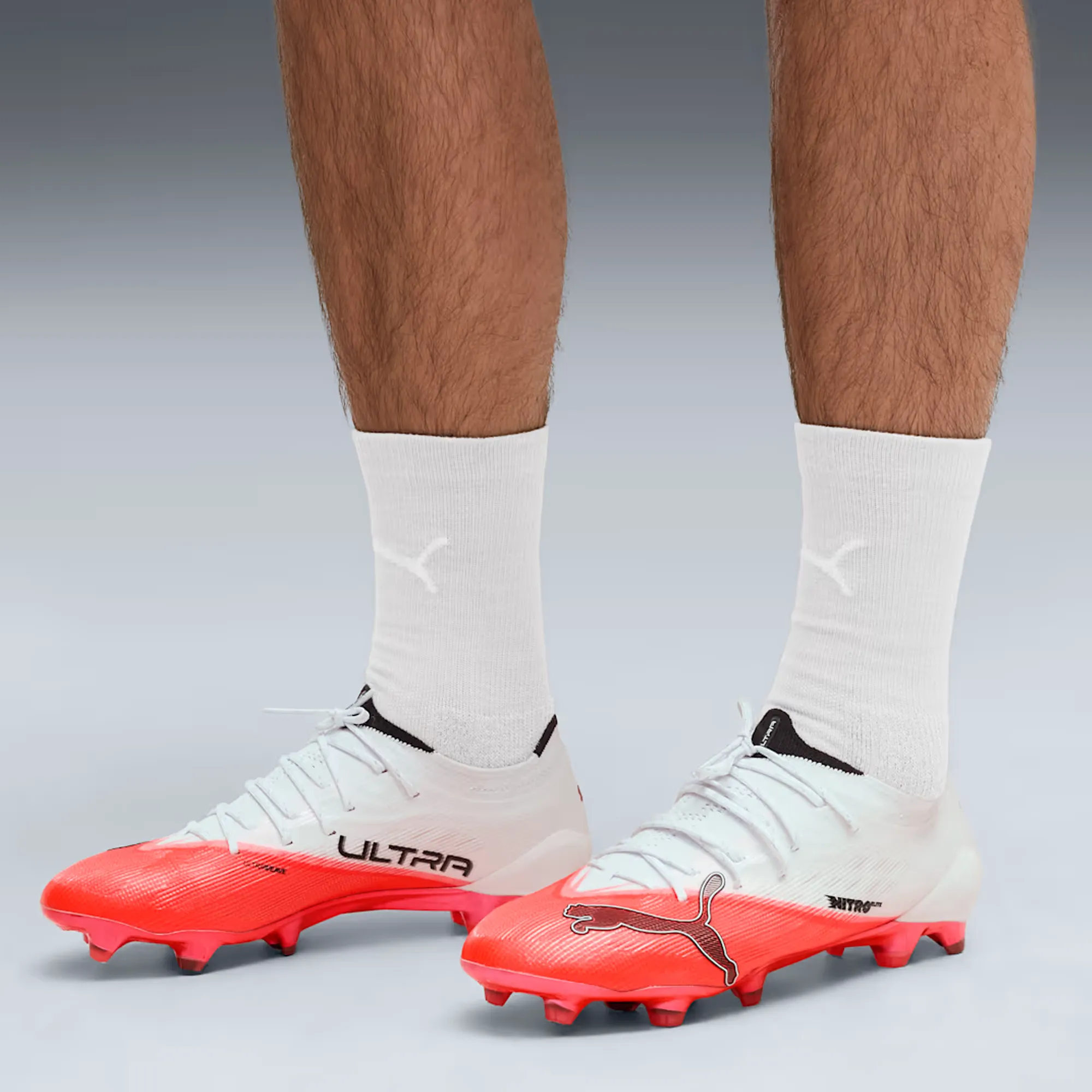
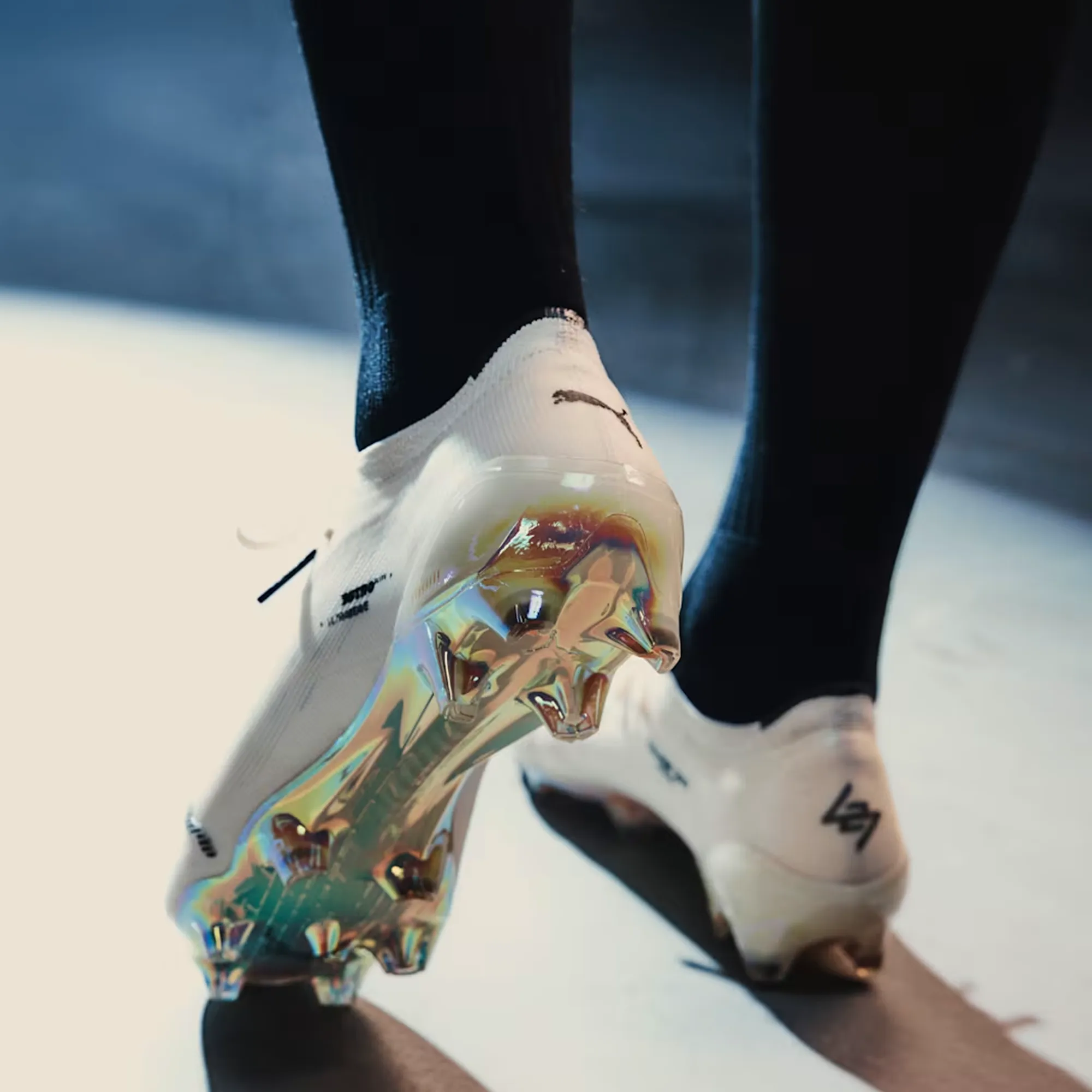
The Ultra Nitro 7 has a genuinely anatomical shape rather than the uniformly narrow profile traditionally associated with speed boots. It follows the foot closely through a tapered midfoot before opening into a relatively accommodating forefoot, and the curved heel with well-judged internal foam holds the rearfoot far more naturally than the flatter heels of previous generations.
Sizing. Length is the main consideration. It runs slightly short, so at true to size your toes will probably touch or lightly brush the end. Staying true to size is the best choice for most players, provided your toes stay flat and are not painfully pressed against the end. Half a size up suits players who dislike any toe contact, wear thicker socks or sit between sizes, but the extra space can exaggerate the give through the midfoot and weaken the connection between your foot and the outsole. Do not size up automatically. True to size gives the better balance of heel security, forefoot width and responsiveness, so save the half size for toes that feel compressed rather than merely close to the end.
What about the laceless Ultra Nitro 7 Ultimate?
The laceless Ultra Nitro 7 has a more structured midfoot than the laced version. Its high-tension knitted construction wraps the centre of the foot more firmly and reduces the give you feel in the standard ULTRAWEAVE upper. With the curved heel, that creates surprisingly strong lockdown and lets the NITROFOAM Elite bounce and PEBA snap translate more directly into movement. The trade-off is adjustability: the laced model can be tightened or loosened for different foot volumes, whereas the laceless boot either matches your foot or it does not. If the shape suits you, the laceless version feels more contained and responsive. If it leaves pressure or space, there is little you can do to correct it.
The technology, translated


Puma calls it a lightweight woven upper. On the pitch it is thin, flexible and minimally padded, so your foot sits close to the ball with a slight dampening on touch, a hint of the original Ultra 1.1. The GripControl Pro coating and the natural texture of the weave add tactility. It bends naturally during acceleration and feels less restrictive than the more heavily reinforced F50 or Superfly uppers.
- Accelerating from a jog into a sprint
- Carrying the ball into space
- Making small touch adjustments at pace
- Playing wider through the forefoot
Puma calls it nitrogen-infused foam. What you notice is a responsive cushioning layer under the whole foot that softens the harshness of the soleplate and gives repeated push-offs a slightly springier feel. It is subtler and more evenly spread than the Zoom Air spring in a Superfly. It will not manufacture speed, but it makes a traditionally unforgiving speed boot feel smoother.
- Repeating sprints late in a match
- Pressing and tracking back
- Running on firm ground
- Pushing off again and again in the same channel
The PEBA-based plate is lightweight and naturally resilient, so it flexes under load and returns quickly without the thickness of a conventional TPU outsole. Expect a noticeable but controlled snap on forceful toe-offs, not a trampoline effect. It gives a useful lever beneath the foot without becoming excessively stiff.
- Driving off the toe over the first few strides
- Sprinting at match intensity
- Accelerating in a straight line
- Repeating forceful push-offs
Puma says the studs are shaped by pressure-mapping data. What you feel is a firm bite on the plant and a clean release into the next step. The traction is decisive enough for quick take-offs and changes of pace.
- Taking off from a standing start
- Changing pace on the run
- Planting to accelerate away
- Playing on firm natural grass
My relationship with the Ultra
The Ultra has always been the Puma boot I judge hardest, because it is the one that has to justify itself against the Vapor and the F50. I have played in the earliest Ultras and in the Ultra 6, and I have now spent time in the Nitro 7, so I have a decent feel for how the silo has changed.
The early Ultras were about being as light and direct as possible, with a slightly dampened touch and very little support. The Ultra 6 pushed hard on the outsole, with an aggressive SPEEDSYSTEM plate and a sticky GripControl Pro upper, but the heel never quite felt finished. The Nitro 7 is the first one where the whole boot feels resolved. The heel is properly shaped, the cushioning makes a real difference across a full match and the plate keeps the snap that made the Ultra worth playing in.
What I appreciate most is that Puma has stopped trying to win on weight alone. The Nitro 7 is not the lightest boot I have worn and it does not pretend to be. It is trying to make repeated acceleration feel better, and it largely does. The midfoot give is the one thing that stops me calling it a complete speed boot, and it is the first thing I would want Puma to fix.
Weaknesses and tradeoffs
Ultra Nitro 7 vs Ultra 6: what changed
The Nitro 7 is a bigger change than the name suggests. The Ultra 6 was built around its outsole: a full-length carbon SPEEDSYSTEM plate with a big snapback, long FastTrax studs, and an engineered-mesh upper with a sticky GripControl Pro coating and PWRTAPE holding the foot in place.
The Nitro 7 brings back a lighter ULTRAWEAVE upper, moves to a more anatomical last with a properly curved heel, and adds NITROFOAM Elite to the sockliner and footbed, while SPEEDSYSTEM 2.0 and FastTrax 2.0 refine the plate’s snap and release. The fit has flipped too: the Ultra 6 ran a quarter to half a size long, and the Nitro 7 runs slightly short. Put simply, the Ultra 6 is the more aggressive, carbon-plated ride, and the Nitro 7 is smoother, lighter and finally holds the heel.


My Ultra 6 notes
The Ultra 6 went hardcore on the outsole. The full-length carbon SPEEDSYSTEM plate has a big snapback, feels dense and solid underfoot and lifts the toe to keep you ready to accelerate. The FastTrax studs are long and web-shaped with a three-stud heel, and Puma kept it FG only, so the harder the pitch, the more pushback you feel. A Pebax version gave a lighter, more flexible alternative without giving away too much of that snap.
The upper was a pliable mesh with a thin sticky GripControl Pro coating. The grip on the ball was genuinely strong, and combined with a direct, barefoot touch it suited dribblers, though it took time to get used to. PWRTAPE SQD was the quiet hero, acting like a seatbelt across the forefoot and midfoot to keep the foot from sliding on lateral pushes.
The fit was the weak point. The heel had very little padding, so the heel and quarter wrapped the foot loosely, and the counter created pressure points that were worse on the carbon version. Lacing with the extra heel holes and wearing grip socks with anti-slip through the heel improved lockdown. The Ultra 6 also ran long, by a quarter to half a size, which is the opposite of the Nitro 7.
Below the top tier, the Ultra 6 Pro was noticeably heavier because of a different sole construction, and the Match dampened the forefoot touch while feeling thin and structured through the midfoot. Both were worth it mainly as value options.
Ultra Nitro 7 vs other speed boots
|
Ultra Nitro 7
|
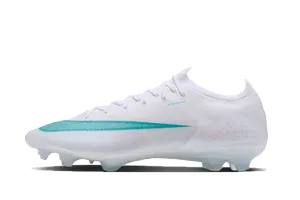 Vapor 17
|
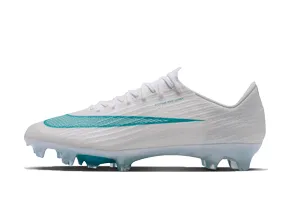 Superfly 11
|
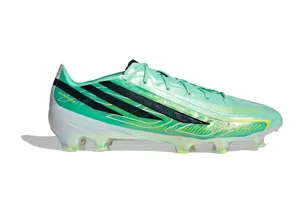 F50 Hyperfast
|
 Furon v9
|
|
|---|---|---|---|---|---|
| Job on the pitch | Repeated forward acceleration with cushioning underfoot | Extreme lightness and tight-space agility | Pronounced propulsion with firmer containment | Stable, structured speed and dependable cuts | Adjustable containment and multidirectional stability |
| Upper | ULTRAWEAVE, thin and flexible | Atomknit, barefoot-thin | FlyWeave Ultra, stronger containment | Halo construction holds the foot over the outsole | One-piece mesh with central lacing |
| Underfoot | PEBA snap with NITROFOAM Elite cushioning | Thin FlyLite plate, immediate response | Air Zoom and ZoomX spring under the forefoot | Structured, planted feel | Responsive nylon plate, multidirectional studs |
| Containment | Secure heel, give through the midfoot | Immediate through sharp cuts | Firm lockdown | Most stable of the group | Adjustable, with width options |
| Choose it for | Repeated forward running, a smoother ride, more forefoot room | Minimal weight, tight-space agility | Pronounced propulsion, firmer lockdown | Lockdown and all-round stability | Width-specific sizing, stops and pivots |
Ultra Nitro 7 vs Nike Mercurial Vapor 17
The Vapor 17 is the more minimal boot, with an Atomknit upper and a thin FlyLite plate that give a barefoot touch and an immediate response through sharp cuts. The Ultra feels more substantial, but also more comfortable and energetic, with NITROFOAM Elite softening the PEBA outsole’s snap. Choose the Vapor for extreme lightness and tight-space agility. Choose the Ultra for repeated forward acceleration, more forefoot room and a less unforgiving ride. You can read the full Mercurial Vapor review.
Ultra Nitro 7 vs Nike Mercurial Superfly 11
Both boots bring running-inspired cushioning into football, but they deliver it differently. The Superfly’s Air Zoom and ZoomX combination creates a more concentrated, spring-loaded sensation under the forefoot, and its FlyWeave Ultra upper contains the foot better. The Ultra’s rebound is subtler and more evenly spread, so the ride is smoother and more flexible. Choose the Superfly for pronounced propulsion and firmer lockdown. Choose the Ultra for lower-profile cushioning, natural flexibility and a more accommodating forefoot. The Mercurial Superfly review has the detail.
Ultra Nitro 7 vs adidas F50 Hyperfast
The F50 is the more structured and stable speed boot. Its Halo construction holds the foot more firmly over the outsole, which makes it more dependable on aggressive cuts and changes of direction. The Ultra has more noticeable bounce underfoot and feels less restrictive, although the laced ULTRAWEAVE upper allows more midfoot movement. Choose the F50 for lockdown and all-round stability. Choose the Ultra for comfort, energy return and repeated straight-line running. Our F50 review covers the other side.
Ultra Nitro 7 vs New Balance Furon v9
The Furon v9 combines a one-piece mesh upper with central lacing, a responsive nylon plate and multidirectional studs. It gives more adjustable containment, dedicated width options and greater control on sudden stops and pivots. The Ultra feels more energetic underfoot, with a stronger blend of cushioning and outsole snap. Choose the Furon for width-specific sizing and multidirectional stability. Choose the Ultra for a springier ride and more explosive forward movement. See the New Balance Furon review.
Where the other speed boots take you
Choose if you want the lightest possible boot and tight-space agility.
Read the Vapor reviewChoose if you want pronounced propulsion and a firmer lockdown.
Read the Superfly reviewChoose if you want structure and stability while you sprint.
Read the F50 review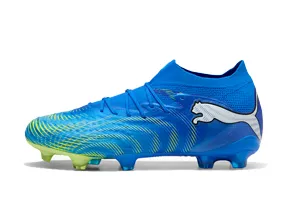
Choose if you want Puma but your game is more about freedom on the ball than speed.
Read the Future reviewUltimate, Pro or Match: which Ultra Nitro 7 should you buy?
The Ultra Nitro 7 steps down through three main tiers: Ultimate, Pro and Match. On Puma’s own spec, the SPEEDSYSTEM 2.0 outsole and FastTrax 2.0 studs run through all three, so what changes as you move down is the upper and the foam. This review is based on the Ultimate.
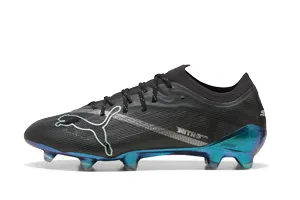
The full Nitro 7 build and the version this review is based on. It has the ULTRAWEAVE upper with the GripControl Pro finish and 3D grip zones, NITROFOAM Elite in the sockliner and footbed, and the SPEEDSYSTEM 2.0 outsole with FastTrax 2.0 studs. It comes laced on firm ground, as a dedicated AG version for artificial grass and as a laceless model with a high-tension knitted ankle strap. Puma also makes a women’s fit with a snugger forefoot and lower instep. Puma UK lists the Ultimate FG at £210.
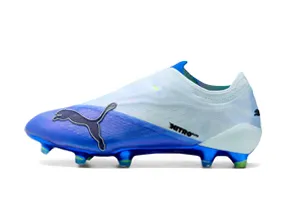
Puma keeps the SPEEDSYSTEM 2.0 outsole and FastTrax 2.0 studs here, so the traction and plate response are on paper the same as the Ultimate. The difference is up top and underfoot: a lightweight dual-mesh upper replaces ULTRAWEAVE, and standard NITROFOAM replaces NITROFOAM Elite. It is a laced boot with the same foot-hugging, narrow-listed shape, and there is also a Pro Cage version for turf. Puma UK lists the Pro FG at £130.
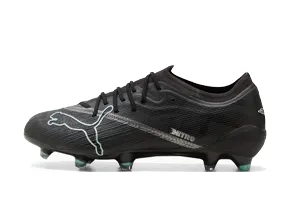
The entry point to the Nitro 7 range for club players. It pairs the SPEEDSYSTEM 2.0 outsole and FastTrax 2.0 studs with a dual-mesh upper and a NITROFOAM midsole, on a FG/AG outsole that suits mixed surfaces. It comes laced, and there is a laceless version too. If you play across firm grass and artificial pitches and want the Ultra’s identity without the Ultimate price, this is the sensible place to start. Puma UK lists the Match FG/AG at £70.
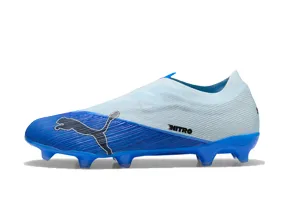
Below Match, Puma’s Ultra 7 Play range starts at £35 and is aimed at younger and first-time players, in FG/AG, laceless and turf versions. For younger players moving up from junior boots, see our kids’ boot guide.
The full ULTRAWEAVE and NITROFOAM Elite build this review is based on. Laced, laceless and AG.
Check the Ultimate at Puma ↗The same outsole and studs as the Ultimate, with a dual-mesh upper and standard NITROFOAM.
Check the Pro at Puma ↗The most accessible way into the Nitro 7, with a FG/AG outsole for mixed surfaces.
Check the Match at Puma ↗Puma Ultra Nitro 7 questions answered
| Question | Short answer |
|---|---|
| Does the Puma Ultra Nitro 7 run true to size? | It is best taken true to size, but it runs slightly short. Expect your toes to touch or lightly brush the end of the toe box. Consider half a size up only if your toes feel compressed or you prefer more space, as sizing up can reduce midfoot lockdown. |
| Is the Puma Ultra Nitro 7 suitable for wide feet? | It is more accommodating than its streamlined look suggests. The anatomical shape combines a tapered midfoot with useful forefoot width, and ULTRAWEAVE has enough give to take moderately wide feet. Very wide or high-volume feet may still find the midfoot restrictive. |
| Is the laced or laceless Ultra Nitro 7 better? | The laced version gives more adjustment. The laceless model has a more structured midfoot and can feel better contained when its shape matches your foot, and it translates the outsole’s response more directly. There is little scope to change the fit if it feels too tight or too spacious. |
| What type of player suits the Ultra Nitro 7? | Direct runners who repeatedly accelerate into open space. Wingers attacking behind a full-back, strikers making channel runs, overlapping full-backs and pressing forwards make the clearest use of its lightweight upper, responsive outsole and cushioned ride. |
| Can the Ultra Nitro 7 FG be used on artificial grass? | The FG Ultimate is best kept for firm natural grass. Puma makes a dedicated AG Ultimate, and the Match has a FG/AG outsole. The right outsole gives more appropriate traction and reduces unnecessary stress on both the boot and your legs. |
| Will the Ultra Nitro 7 make me faster? | No boot creates speed on its own. The Ultra’s low weight, traction, PEBA snap and NITROFOAM rebound can make acceleration feel more efficient and comfortable, but technique, strength and a secure fit matter more. |
| Is the Ultra Nitro 7 better than the Ultra 6? | For me, yes. The heel is properly shaped, the cushioning makes repeated sprints more comfortable and the upper is lighter. The Ultra 6 still has the more aggressive, carbon-plated outsole story, so the choice depends on whether you want that or a smoother ride. |
Final verdict
Puma Ultra Nitro 7: FootballBoots Verdict
Buy it if
- You make repeated runs in behind, into the channels or up the wing
- You want a smoother, more comfortable speed boot
- You like a close, direct touch when carrying the ball
- You want a speed boot with useful forefoot room
- Your midfoot fills the boot securely
Avoid it if
- Your game is sharp cuts in confined spaces
- You want an extremely rigid, clamped-down fit
- You want the lightest boot available
- You have a very narrow or low-volume foot
- You dislike any toe contact at the front
Read the full final verdict
What is it trying to be? A speed boot that judges itself by response, traction and repeatability rather than weight alone, with real cushioning added to a snappy outsole.
Does it succeed? Mostly. The energy underfoot is real, the heel is the best I have had on an Ultra and the ride is smoother than any speed boot I have played in. The midfoot give keeps it from being a complete answer.
Who benefits most? Direct runners: wingers, channel strikers, overlapping full-backs and pressing forwards, particularly with a foot that fills the midfoot.
Who should avoid it? Players who live on sharp cuts in tight spaces, anyone wanting an extremely clamped-down fit and very narrow feet.
Where does it sit in the silo’s history? It brings the Ultra’s earlier ideas together. For the first time, the boot is not relying on low weight and aggressive traction alone to feel fast. It uses the response of the upper, foam and outsole together, and it is the version of the Ultra I would point most speed players towards.
How the Ultra has changed over time
Since its debut in 2020, the Ultra has been Puma’s testing ground for what a modern speed boot should be. It began as a direct, aggressively lightweight boot built around explosive acceleration. Later generations recognised that speed also depends on stability, decisive changes of direction and the ability to repeat intense movements throughout a match.
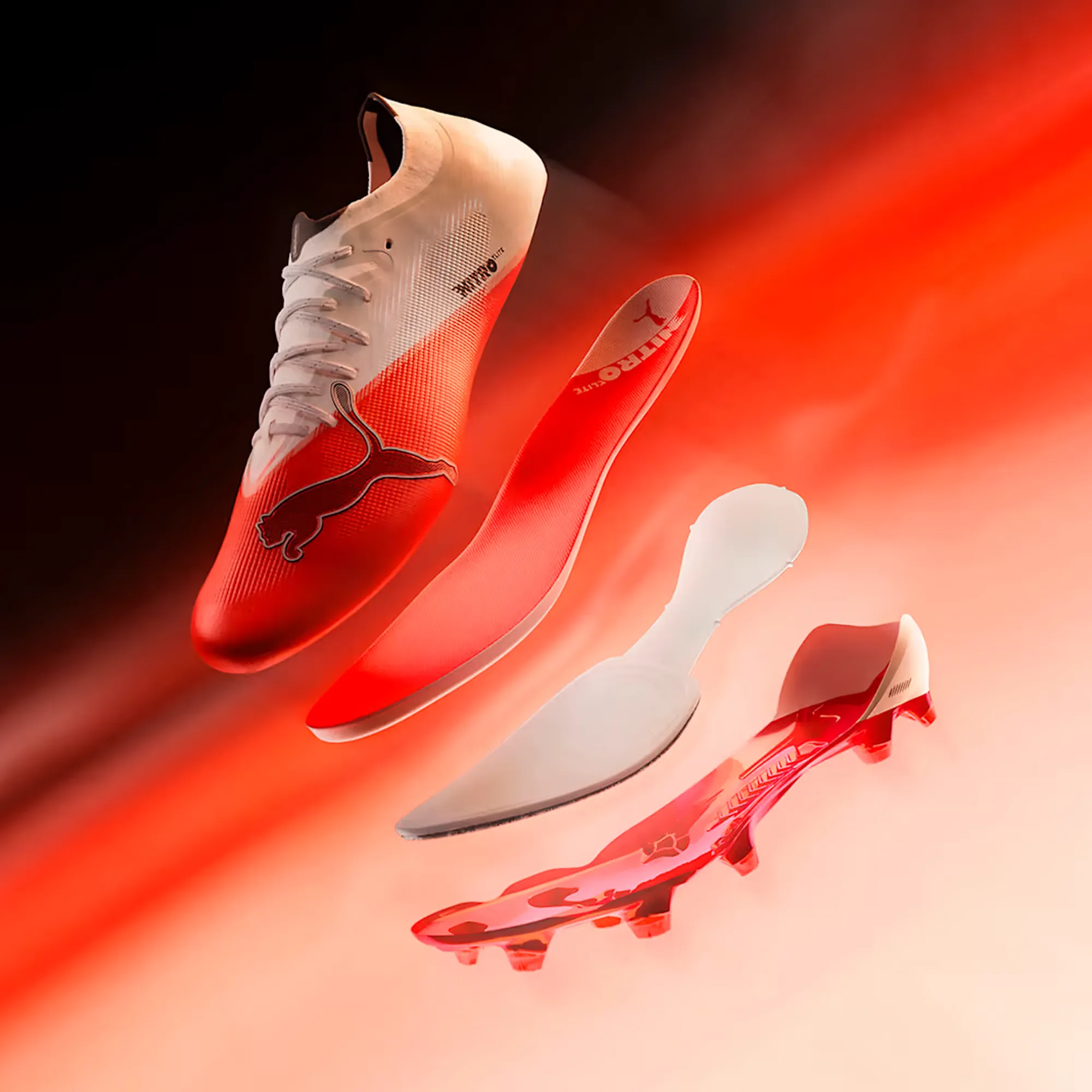
A lighter, re-engineered ULTRAWEAVE upper returns, with a more anatomical speed last and a better curved heel. SPEEDSYSTEM 2.0 and pressure-mapped FastTrax 2.0 studs refine the plate’s snap and release, and NITROFOAM Elite puts cushioning and rebound into the sockliner and footbed. For the first time, the Ultra is not relying only on low weight and aggressive traction to feel fast.
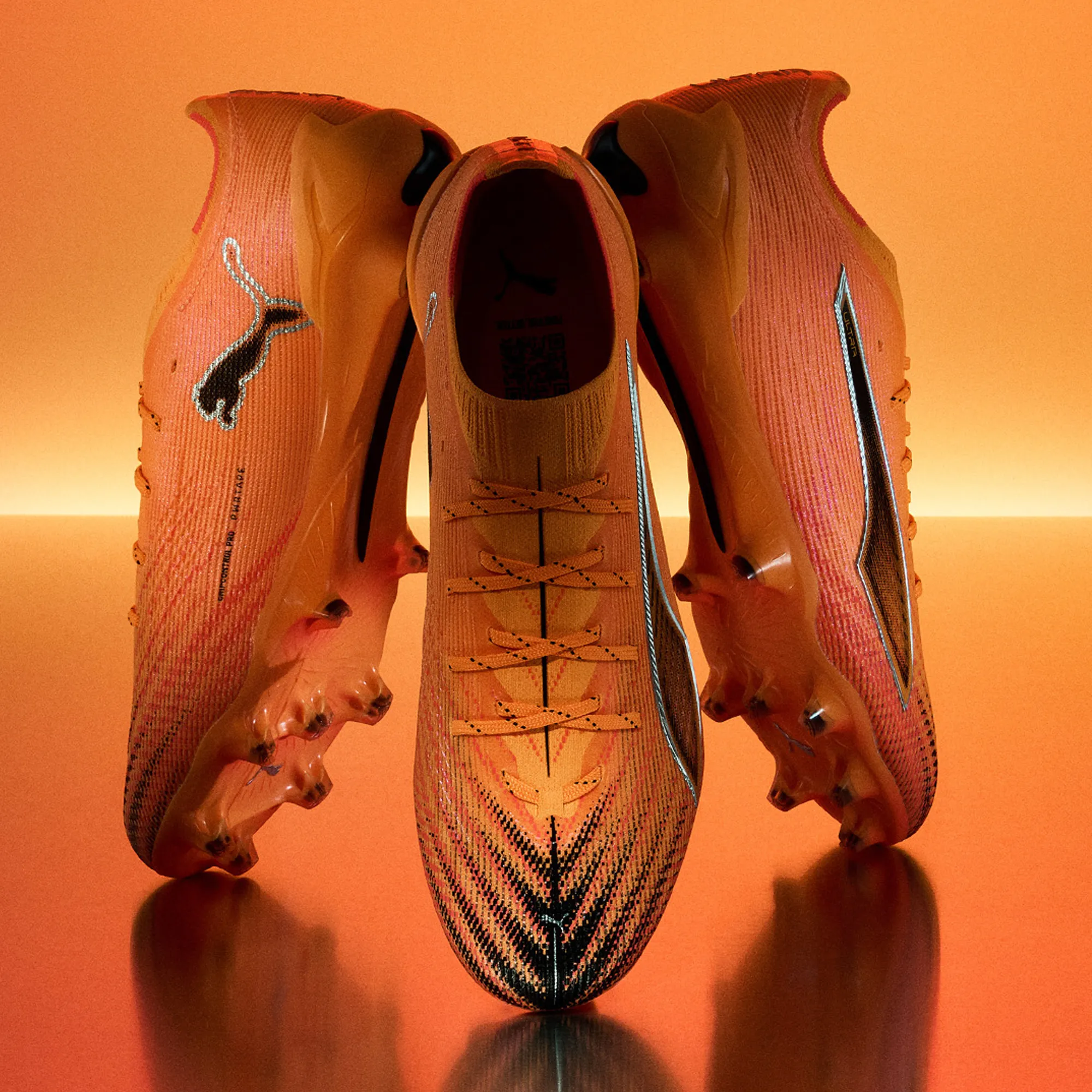
A refinement of the Ultra 5 platform: an updated engineered-mesh upper, PWRTAPE support and 3D-textured strike zones, with SPEEDSYSTEM and FastTrax underneath. It made the Ultra feel more supported and complete, but it was less radically lightweight than the earliest generations.

Moved away from ULTRAWEAVE to an engineered mesh upper supported by PWRTAPE SQD. More importantly, it introduced the SPEEDSYSTEM outsole and FastTrax studs, widening the focus from straight-line acceleration to braking and multidirectional traction. The limited Carbon version added a full carbon-fibre plate that Puma claimed was 32% springier than the standard outsole.

Puma replaced MATRYXEVO with ULTRAWEAVE, its lightest woven performance material, reinforced by placed PWRPRINT instead of an internal cage. A new dual-density SPEEDPLATE improved forefoot reactivity and energy transfer. The silo’s biggest shift towards achieving lockdown through precise material placement rather than layering.
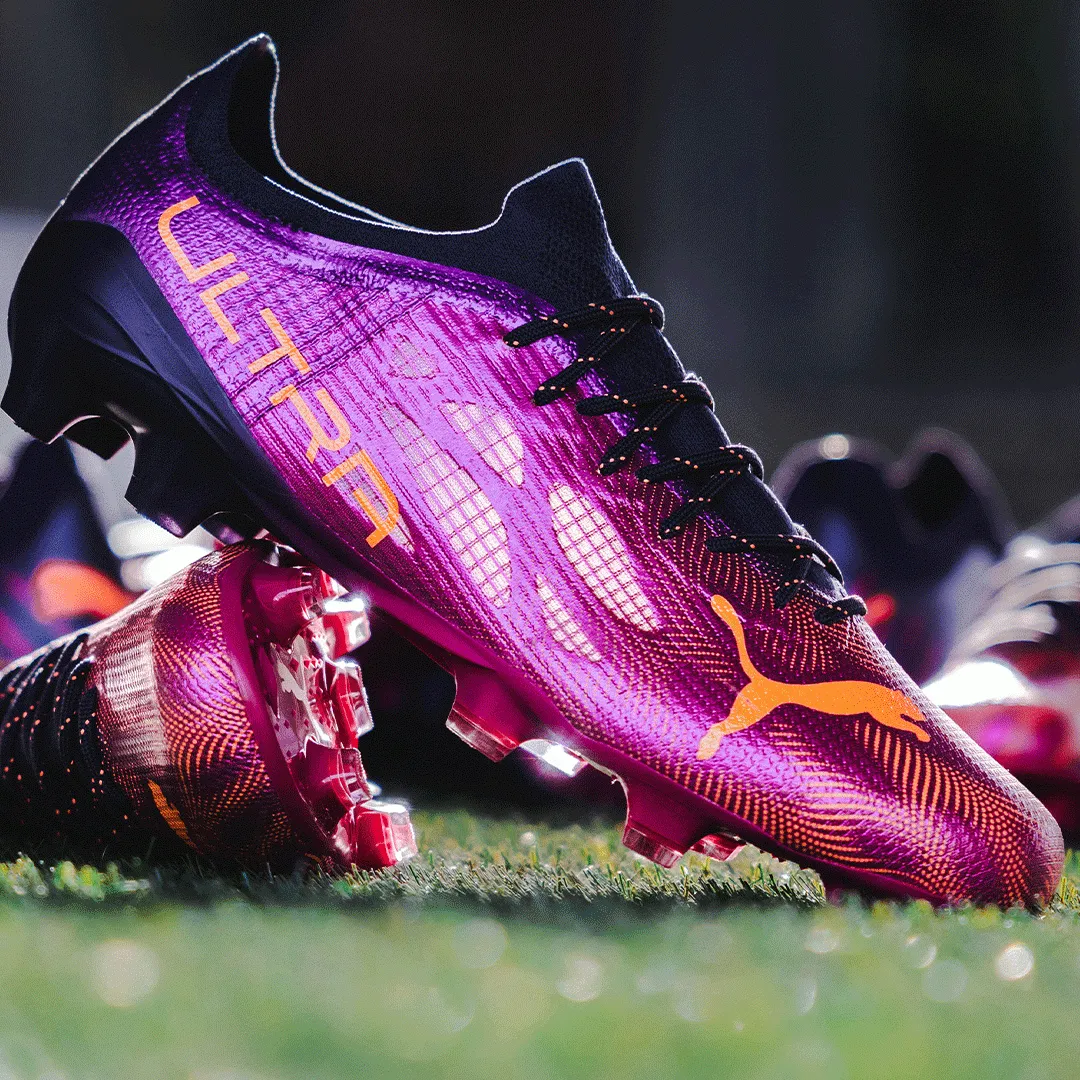
The last development of the original MATRYXEVO platform. It kept the SPEEDCAGE and PEBA SpeedUnit rather than making a technical reset, refining a successful lightweight formula before Puma moved to a new upper concept.
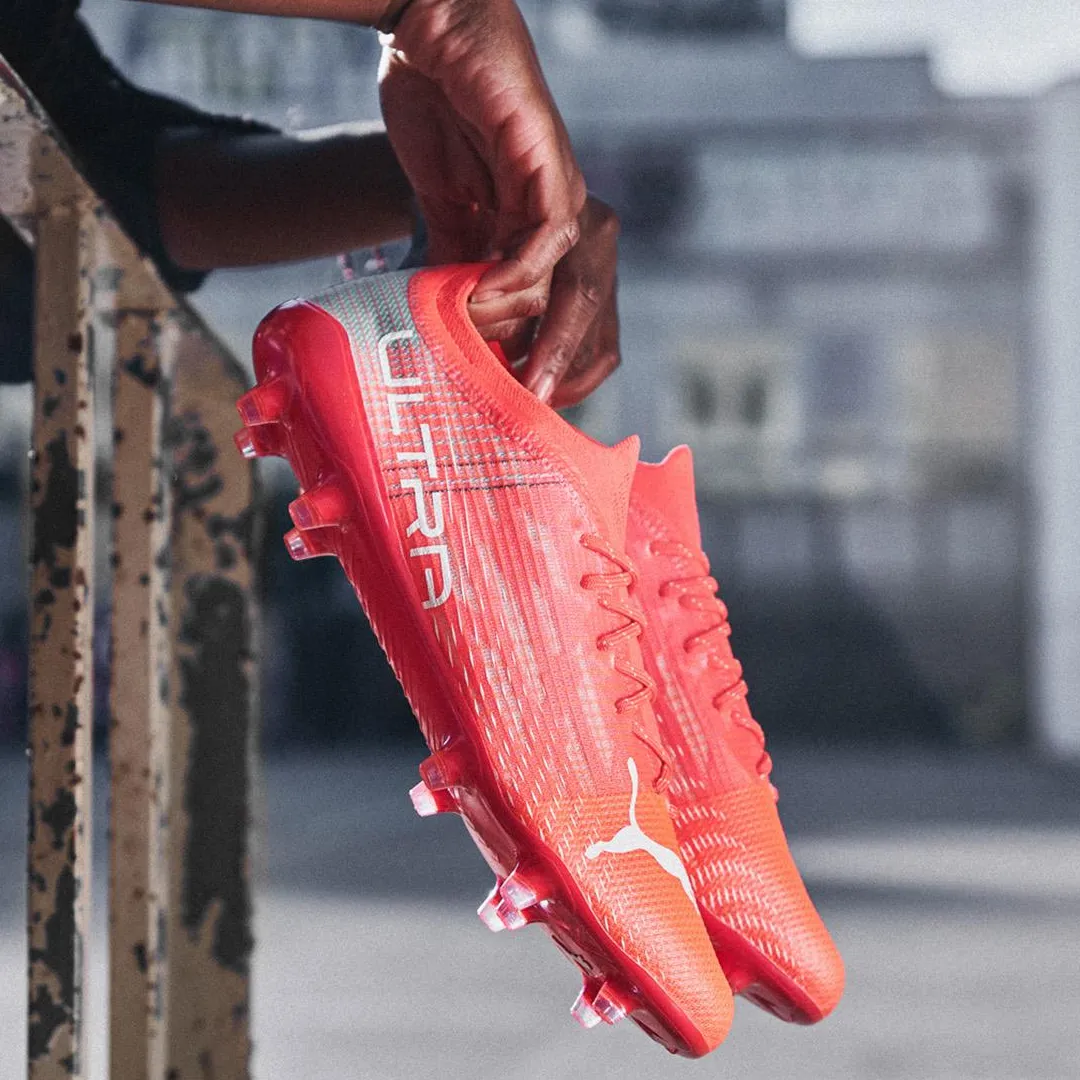
Added an internal SPEEDCAGE and transparent midfoot windows, cutting weight while adding more targeted containment. GripControl Pro was extended across the upper and Puma introduced separate unisex and women-specific fits. The Ultra started to think about fit and lockdown as well as outright lightness.
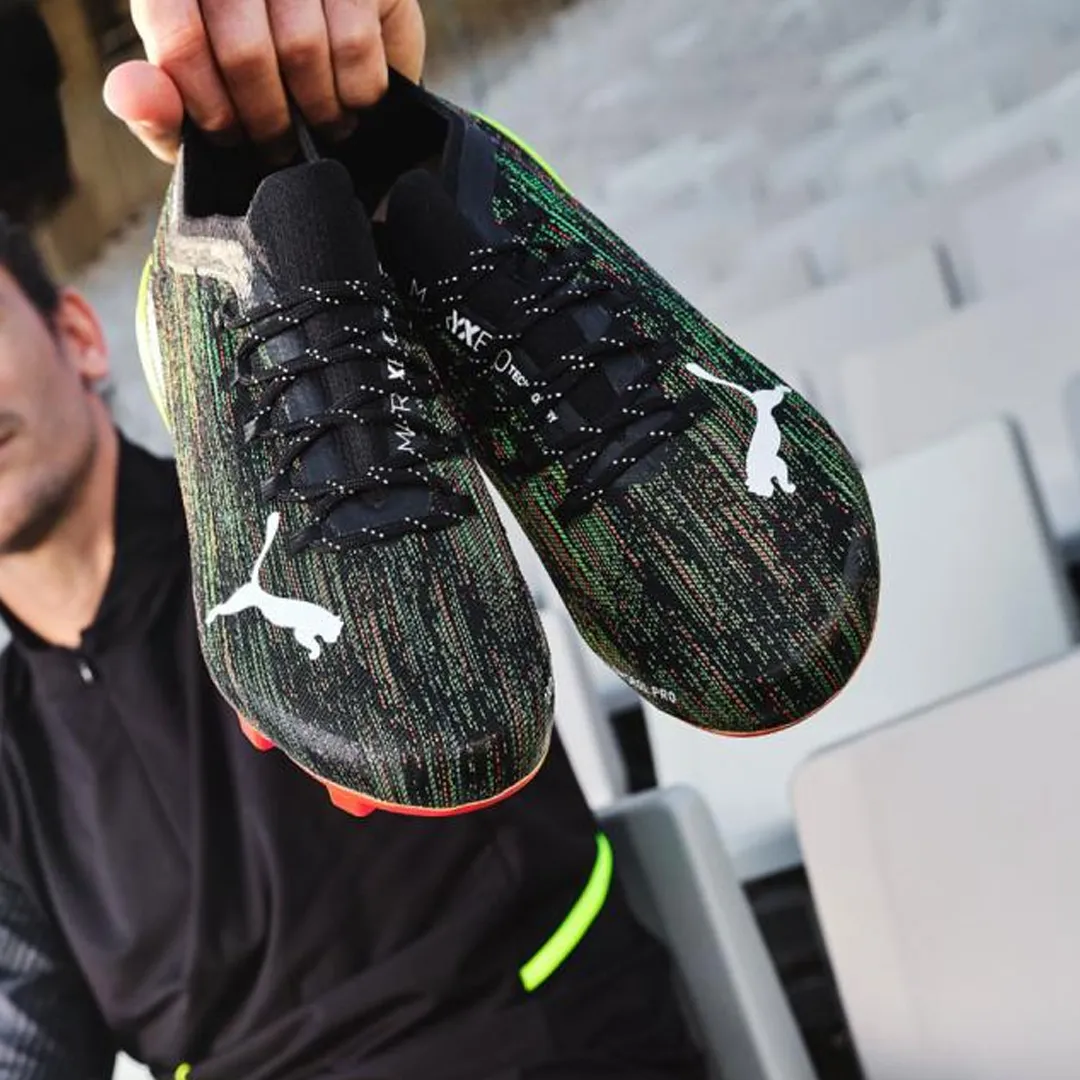
Refinement rather than reinvention. It kept MATRYXEVO, GripControl Pro and the PEBA SpeedUnit, letting Puma settle the Ultra’s identity before making bigger structural changes.
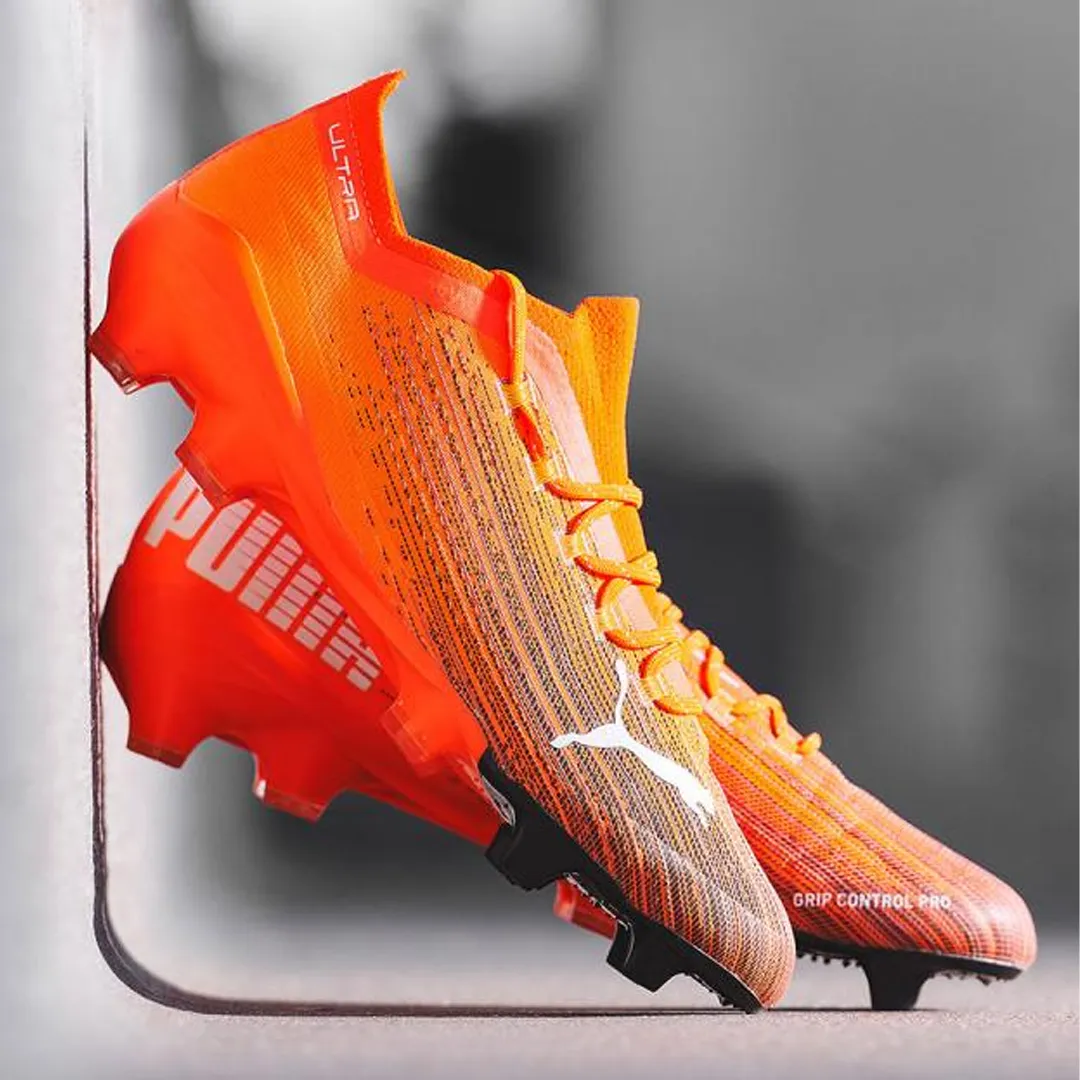
Established Puma’s modern speed-boot formula. A single-layer MATRYXEVO upper combined polyester, carbon and aramid yarns for lightweight support without traditional overlays, and the split PEBA SpeedUnit borrowed its shape and stud concept from running spikes. Woven uppers and track-inspired propulsion: the two ideas that still define the silo.
See what Puma has in stock across the Ultimate, Pro and Match.
Check stock at Puma