

The Puma Future 9 is built for players who create space by turning away from it.
Within Puma’s range, the Ultra is urgency, the King is composure and the Future is freedom. The Future 9 is the clearest expression of that freedom, for players who improvise in tight spaces and produce chances through movement rather than straight-line speed.
See where Puma sits against everyone else in our most popular football boots ranking, or compare it with its siblings on our Puma football boots page.
My quick verdict
The Future 9 is control through agile movement: receiving on the turn, changing direction before a defender can set, keeping the ball close as space disappears. Puma calls it “locked-in freedom”. After playing in it, that balance is mostly real, though not free of tension.
The one-piece FUZIONFIT upper is the biggest change from the Future 8, and it is the right one. The 8’s separate LYCRA sleeve and outer mesh felt like they were resisting my foot rather than adapting to it. The 9’s cleaner construction flexes and shapes around the foot far more naturally, with the Fuzionpods still doing the real work: cushioning firm passes and giving me a genuine sense of where the ball has met my foot.
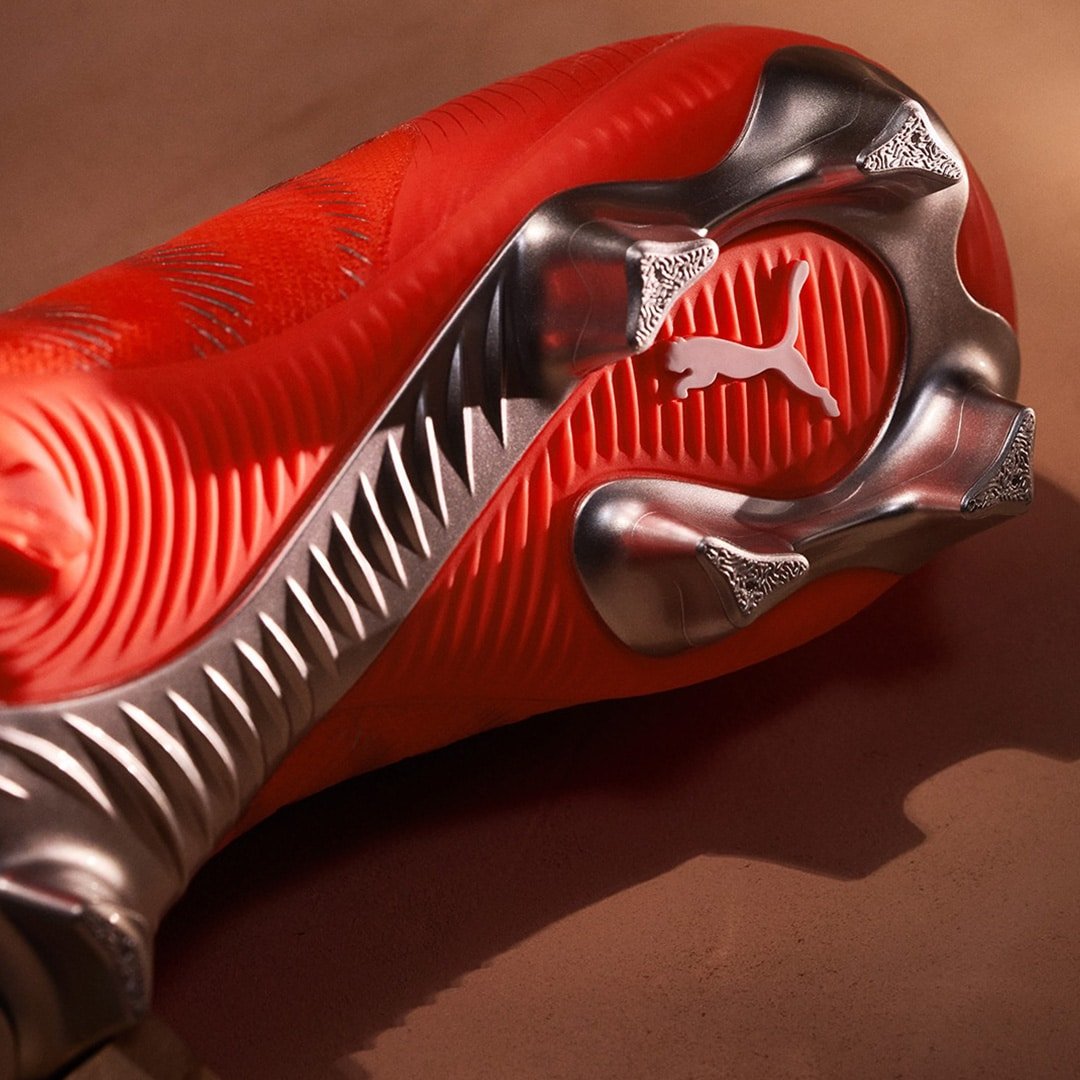
The FLEXGILITY outsole is where the tension sits. The circular, bladed stud pattern gives real bite on pivots and rotational movement, but the plate is stiff and noticeably heavier than most modern soleplates. That weight works against the boot’s own agility identity: it helps when I’m planting hard out of a cut, but it is the first thing I would change.
Heel lockdown has improved with the narrower opening around the top and the Achilles pinch, but the lower heel cup still has some room, and the short, closely spaced lacing puts more pressure on the arch than it should. When my foot fills the boot properly, the whole thing feels secure. When it does not, I notice the heel before anything else.
It isn’t the lightest boot on the shelf, and it isn’t the softest touch. It is the boot I would choose for receiving under pressure and turning away from it.
Check the Future 9 at Puma
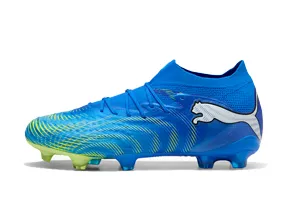
Genuine Fuzionpods, full GRIPCONTROL PRO and the responsive FLEXGILITY outsole this review is based on.
Check the Ultimate at Puma ↗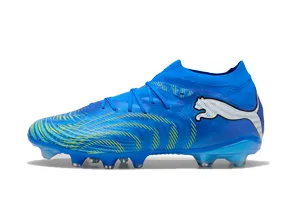
The Future’s shape and traction without the genuine Fuzionpod feedback.
Check the Pro at Puma ↗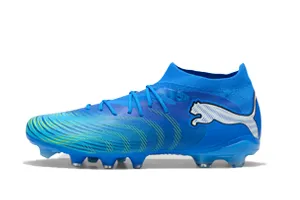
Puma Future 9: pros and cons
Pros
- Fuzionpods give a genuine sense of where the ball has met the foot, clearest receiving under pressure.
- The one-piece FUZIONFIT upper flexes naturally, a real improvement on the Future 8’s stiff layered construction.
- GRIPCONTROL PRO adds ball control without making touches feel unnaturally sticky.
Cons
- The soleplate is heavier than most modern plates, working against the boot’s own agility identity.
- Short, closely spaced lacing concentrates pressure on the arch rather than the midfoot.
- It runs roughly a quarter-size long, but sizing down makes the tapered midfoot too tight, so there is no clean fix.
FootballBoots.co.uk is an independent, unaffiliated review site, and all opinions in this review are our own. This page contains affiliate links, which may earn us a commission if you choose to purchase, but this does not influence our reviews. This review is by Ian Ebbs, founder of FootballBoots.co.uk, host of the site’s YouTube channel and author of the Boot Secrets guide.
| Football identity | Freedom through movement: receiving, turning and dribbling under pressure |
|---|---|
| Released | 2026, the ninth generation since the silo launched in 2018 as the Future 18.1 |
| Best for | A No.10 or advanced No.8 who receives between the lines, an inverted winger who cuts inside, or a false nine who receives with their back to goal |
| Fit | Average width with a tapered midfoot, made workable for moderately wide feet by the stretchy knit tongue and collar. Not a genuinely wide-fitting last |
| Sizing | Runs roughly a quarter-size long with some room around the outer toes. Stay true to size regardless |
| Surface | Dedicated FG on the Ultimate. The bladed studs are too aggressive for artificial grass, even on the Pro and Match’s FG/AG tooling |
| Range | Ultimate, Pro and Match, plus Play and Pro Youth for younger players |
| Worn by | Neymar Jr, Jack Grealish, James Maddison and Xavi Simons, among others |
| Where it sits | Puma’s agility silo, alongside the Ultra and the King |
Football identity: what the Future 9 is for
Puma has made its name as football’s expressive challenger, turning personality and individual movement into distinct boot identities. Within its range, the Ultra is urgency, the King is composure and the Future is freedom. The Future 9 is the clearest expression of that freedom, made for players who turn away from pressure, improvise in tight spaces and create opportunities through movement.
It is more than a conventional control boot. It is control through agile movement: receiving on the turn, changing direction before a defender can set, keeping the ball close as space disappears. Puma calls it “locked-in freedom”: secure enough for aggressive cuts, flexible enough to move naturally. Whether the Future 9 delivers that balance without sacrificing touch, stability or responsiveness is the real question, and after playing in it, the answer is mostly yes, with the soleplate’s weight as the honest exception.
Puma Future 9: buy it or not
- You receive between the lines and need to turn under pressure
- Your game is built on pivots, feints and repeated changes of direction
- You want a substantial, informative touch rather than a barefoot feel
- You have moderately wide feet and want a knitted collar that gives
- You play mainly on firm natural grass
- Your game is straight-line sprinting rather than tight-space movement
- You want the lightest boot possible
- You want a soft, premium, barefoot-style upper
- You have a genuinely narrow or slim heel
- You play mostly on artificial grass


Who the Future 9 is for
The Future 9 naturally suits a No.10 or advanced No.8 who regularly receives between the lines, turns under pressure and carries the ball into attacking areas. These positions are only a guide: the boot is really built around agile, multidirectional actions rather than a specific place on the pitch.
A defender arrives quickly. The Fuzionpods cushion firm passes and give feedback on where the ball has met the foot, before you decide whether to turn, protect it or release it.
The circular FLEXGILITY stud pattern grips firmly on the plant, which suits rolling away from a full-back and cutting inside.
The cushioned, informative touch helps you monitor the ball while your attention is on the pressure and passing options around you.
Body feints and stop-start movement rather than straight-line speed. GRIPCONTROL PRO adds mild traction on the ball during close touches.
The stretchy knitted tongue and collar let the boot open up, so it works for moderately wide feet despite an average-width last.
The lower heel cup is still roomy, so a slim heel may notice some looseness that grip socks help but do not fully fix.
It favours a creative ball carrier who changes direction frequently, manipulates the ball in tight spaces and prefers to escape pressure through movement rather than long, straight-line sprints.
What it feels like on the pitch
Receiving between the lines
The Future 9 works particularly well receiving with a defender close behind. The Fuzionpods cushion harder passes and give subtle feedback about where the ball has met the foot, helping you bring it under control before deciding whether to turn, protect it or release it quickly.
Turning away from pressure
This is where FLEXGILITY makes the most sense. Its circular forefoot stud arrangement supports pivots and rotational movement, and the aggressive blades grip firmly as you plant. With the improved heel shape and PWRTAPE support, the boot feels secure rolling away from an opponent or changing direction straight after receiving.
Isolating a defender one-on-one
The Future 9 suits dribblers who use body feints, stop-start movement and repeated changes of direction rather than relying entirely on straight-line speed. GRIPCONTROL PRO adds mild traction on the ball during close touches, and the soleplate gives the bite needed to push sharply the other way.
Carrying the ball through congested areas
The substantial upper and Fuzionpods create a cushioned, informative touch that works well moving through crowded midfield spaces. It is not the thinnest or most barefoot sensation, but the added feedback makes the ball easier to monitor while your attention is on the pressure and passing options around you.
Accelerating out of a cut
The Future 9 is not a dedicated speed boot, but the stiff plate produces a firm response exiting a turn. On firm natural grass, the aggressive studs engage quickly and give a powerful platform for the first few steps after changing direction. The heavier outsole becomes more noticeable over a longer straight-line sprint.
Fit and feel
| Length | Runs roughly a quarter-size long, with slightly more room than ideal around the smaller outer toes. Stay true to size regardless. |
|---|---|
| Width | Closer to average width than genuinely wide, with a noticeable taper through the midfoot. The stretchy knitted tongue and collar let it open up for moderately wide shapes. |
| Best foot shape | Average to moderately wide, particularly where the extra width sits across the forefoot rather than the midfoot. |
| Sizing down | Not recommended. Going half a size down reduces the excess toe space, but makes the tapered midfoot and overall wrap uncomfortably tight. |
| Heel lockdown | Improved from the Future 8, with a narrower opening around the top and a more pronounced Achilles pinch. The lower heel cup remains slightly roomy. |
| Lacing | Short and shallow. A few closely spaced eyelets concentrate pressure across the arch rather than distributing it through the midfoot. |
| Slimmer heels | May still notice some looseness in the lower heel cup. Grip socks help minimise it, but cannot fully correct the shape. |

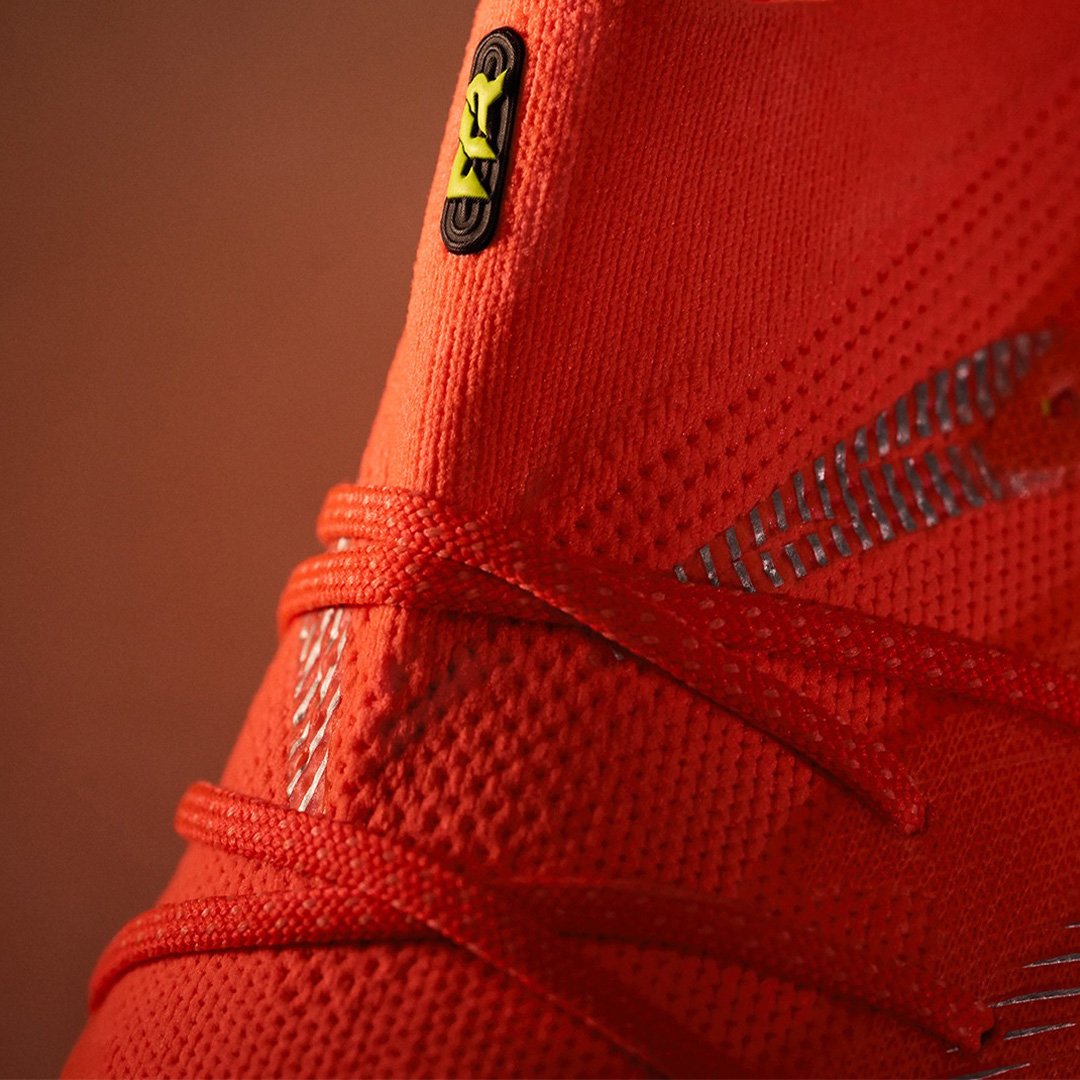
The Future 9 accommodates wider feet more through its materials than its underlying shape. The last is closer to average width, with a noticeable taper through the midfoot, but the stretchy knitted tongue and collar combine with the natural give of the FUZIONFIT upper to let the boot open up around the foot. That makes it adaptable to moderately wide shapes rather than genuinely wide-fitting.
Sizing. It runs roughly a quarter-size long and leaves slightly more room than ideal around the smaller outer toes. True to size remains the best option even so. Going half a size down may reduce that excess space, but it also makes the tapered midfoot and overall wrap uncomfortably tight. Consider that carefully before sizing down.
The technology, translated
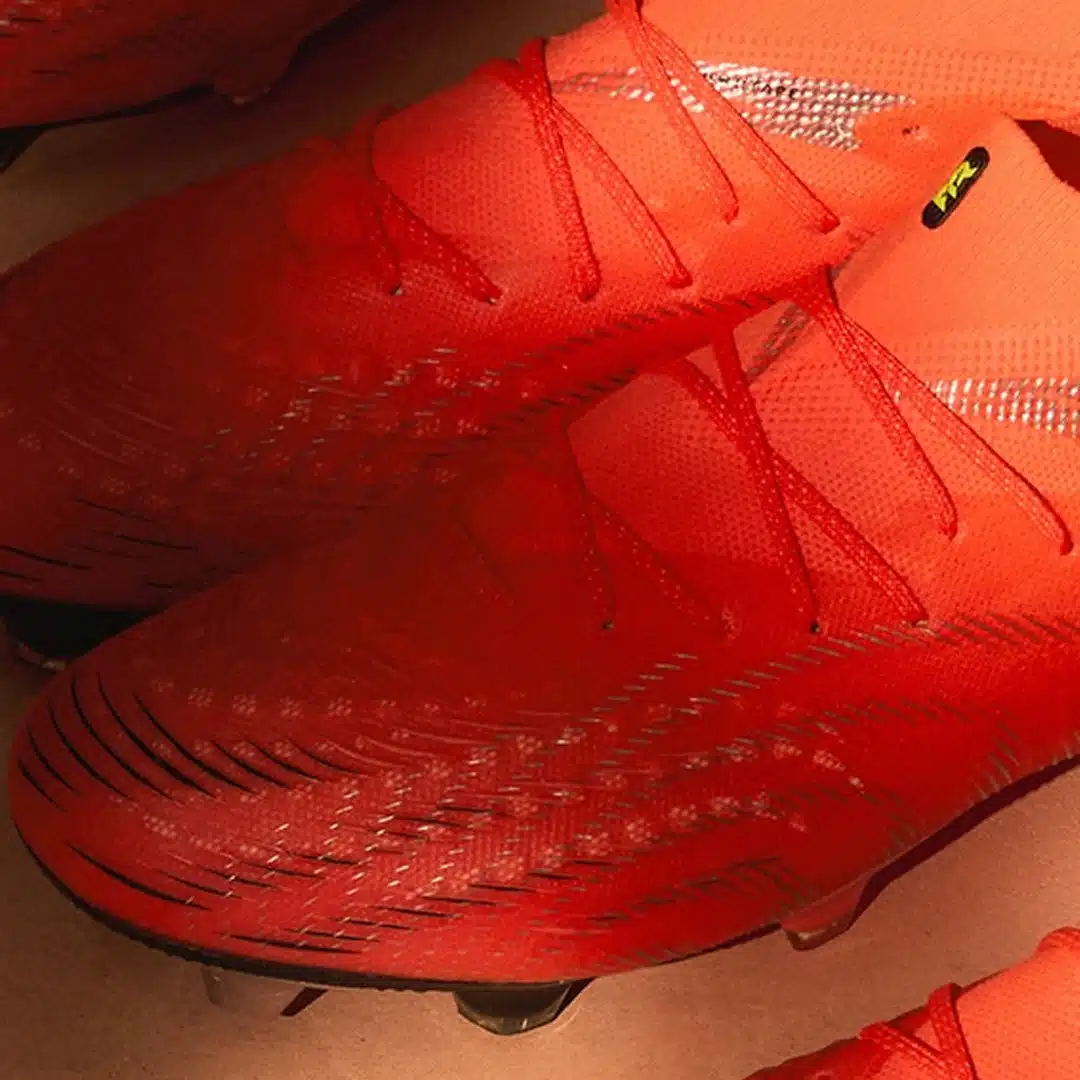
The Future 8 combined an elastic LYCRA inner sleeve with a separate high-density mesh layer, which gave a close wrap but felt stiff, dense and restrictive, like the layers were resisting the foot rather than adapting to it. The Future 9 replaces that with a cleaner one-piece outer construction, with the texturing, Fuzionpods and GRIPCONTROL PRO built into the same setup. It flexes and shapes around the foot far more naturally, though a short break-in still helps.
- Receiving the ball under pressure
- Turning quickly after a first touch
- Dribbling through congested areas
- Adjusting the ball at close control
The Fuzionpods remain one of the Future’s strongest features: subtle haptic feedback that cushions the ball enough to make its position easier to sense. GRIPCONTROL PRO adds mild tackiness during close touches and dribbling without making the surface excessively sticky.
- Taking a first touch under pressure
- Close dribbling in tight spaces
- Shielding the ball from a challenge
- Passing and receiving in quick combinations
Large, blade-shaped studs sit in a circular pattern around the forefoot’s natural pivot point, a similar concept to Nike’s Cyclone 360 plate on the Phantom. That encourages quick rotations and changes of direction, and the studs bite firmly when accelerating or pushing out of a cut. The plate itself sits towards the stiffer, more responsive end, producing a firm snap on push-off, and provides a stable platform beneath the more adaptive upper.
- Planting and pivoting out of a turn
- Pushing off explosively out of a cut
- Playing on firm natural grass
- Changing direction under pressure
My relationship with the Future
I have played in the Future through several generations, and the 9 is the version where the upper finally stops fighting the foot. The Future 8’s layered LYCRA and mesh construction always felt like two materials doing two different jobs. The 9’s one-piece build is the boot Puma should have made the first time it tried this idea.
What has not changed is the tension between the boot’s agility identity and its soleplate. FLEXGILITY gives real bite on pivots, and I notice it most when I plant hard to turn away from a defender. But it is heavier than it should be for a boot built around freedom of movement, and that is the one change I would ask Puma to make next. The heel is close to sorted. The lacing is the other honest weak point: a few closely spaced eyelets asking too much of one small area of the arch.
Weaknesses and tradeoffs
Future 9 vs other control and agility boots
|
Future 9
|
 Ultra Nitro 7
|
 King 20
|
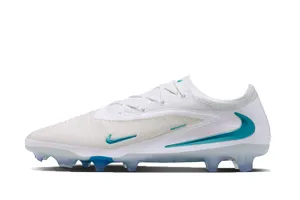 Phantom 6
|
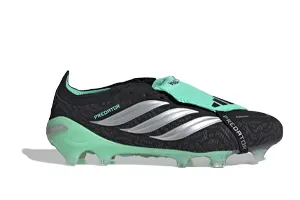 Predator 26
|
|
|---|---|---|---|---|---|
| Job on the pitch | Create through movement: receiving, turning, dribbling under pressure | Repeated forward acceleration | Softness and all-game comfort | Use the ball well after receiving in tight areas | Control the ball through passing and striking |
| Upper | One-piece FUZIONFIT with Fuzionpods | Thin, flexible ULTRAWEAVE | Heavily cushioned TOTALTOUCH+ | Gripknit spread across the whole upper | Thin textile mesh with NanoStrike+ zones |
| Underfoot | Stiff, heavier FLEXGILITY plate | PEBA snap with NITROFOAM Elite cushioning | Consistent cushioning heel to toe | Lighter Cyclone 360 plate | Firm, planted Strikeframe and PowerSpine |
| Touch | Substantial, informative feedback | Close and direct | Soft, muted feedback | Closer, tackier connection | Firm, direct contact |
| Choose it for | Tight spaces, multidirectional movement, a substantial upper | Straight-line speed and rapid acceleration | A roomier, more forgiving fit all match | Premium comfort and a lighter, better-connected feel | Distribution, shooting and a stable platform |
Future 9 vs Puma Ultra Nitro 7
These boots represent two different forms of agility. The Future 9 is built around pivots, close control and repeated changes of direction, with the Fuzionpods giving a more cushioned and informative touch. The Ultra Nitro 7 feels lighter and more explosive, combining a thinner ULTRAWEAVE upper with the snap of SPEEDSYSTEM 2.0 and the bounce of NITROFOAM Elite. Choose the Future 9 for tight spaces, multidirectional movement and a more substantial upper. Choose the Ultra when straight-line speed, rapid acceleration and a thinner touch matter more. Read the full Ultra Nitro 7 review.
Future 9 vs Puma King 20
The Future is the more aggressive and responsive option, while the King prioritises softness and all-game comfort. TOTALTOUCH+ gives the King 20 a consistent, heavily cushioned feel from heel to toe, though that padding can mute some ball feedback. The Future’s Fuzionpods give clearer contact awareness, and its stiffer outsole and sharper traction suit pivots and explosive cuts better. Choose the Future for active dribbling and agile movement, the King for a roomier, more forgiving fit and a softer upper that stays comfortable over a full match. See the King 20 review.
Future 9 vs Nike Phantom 6
This is the closest comparison, because both use circular forefoot traction to support quick rotations. The Phantom 6 feels more polished, with a softer Gripknit upper giving a closer, tackier connection to the ball and a lighter Cyclone 360 plate underfoot. The Future has a thicker, more cushioned contact and a more accommodating upper, though its heavier outsole and concentrated lacing hold it back. Choose the Future for substantial ball feedback, greater material give and aggressive FG traction. Choose the Phantom for premium comfort, more direct touch and a lighter, better-connected feel. Read the full Phantom 6 review.
Future 9 vs adidas Predator 26
Both are control boots, but they interpret control differently. The Future supports players who create through movement, using the Fuzionpods and pivot-focused traction for receiving, turning and dribbling through pressure. The Predator focuses more on controlling the ball through passing and striking, with a thinner mesh upper, NanoStrike+ grip and PowerSpine giving a firmer, more stable platform. Choose the Future for quick turns, one-on-ones and close control in crowded areas. Choose the Predator for distribution, shooting and a more direct connection with the ball. See our Predator 26 review.
Where the other three take you
Choose if your game is repeated forward acceleration rather than tight-space movement.
Read the Ultra reviewChoose if you want a roomier, softer upper that stays comfortable all match.
Read the King reviewChoose if your value comes after receiving in congestion, with a lighter, more direct touch.
Read the Phantom 6 review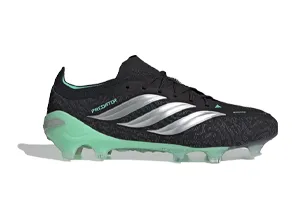
Choose if you decide what happens next through passing and striking, not dribbling.
Read the Predator reviewUltimate, Pro or Match: which Future 9 should you buy?
The Future 9 steps down through three tiers: Ultimate, Pro and Match. Moving up to the Pro is not an automatic choice: it depends on whether you value its firmer construction or the Match’s extra space and more noticeable texturing. This review is based on the Ultimate.
The full experience and the version this review is based on. It has genuine Fuzionpods with real haptic feedback, the complete GRIPCONTROL PRO treatment and the responsive FLEXGILITY outsole. Firm ground only: the bladed studs are too aggressive for artificial pitches. Puma UK lists the Ultimate from £220.
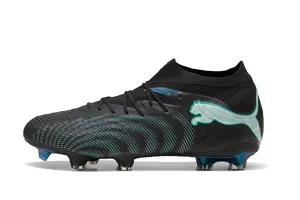
The Pro keeps PWRTAPE and targeted texturing in key contact areas, but the Fuzionpod-style markings are purely graphic and give none of the cushioning or haptic feedback of the real thing. A heavier plastic coating makes the upper thicker and slicker, closer to a conventional synthetic, and that slickness can let the heel slip if your foot does not naturally fill the rear of the boot. Underfoot the simplified FG/AG plate has slightly more give and less snap than the Ultimate’s FLEXGILITY. Puma UK lists the Pro FG/AG at £140.
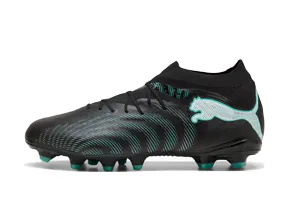
The Match’s mesh upper is cheaper and less refined than the Pro’s material, but its embossed surface has more pronounced texturing across the key contact zones, and it arguably reproduces the Ultimate’s ball-control concept better than the Pro does visually and tactically. It also provides more width and internal volume, making it the more accommodating option for broader or higher-volume feet. Heel lockdown can feel slightly better than the slicker Pro, though the small external heel counter may create a pressure point around the rearfoot. FG/AG tooling, but the bladed studs still feel aggressive for synthetic pitches. Puma UK lists the Match FG/AG at £75.
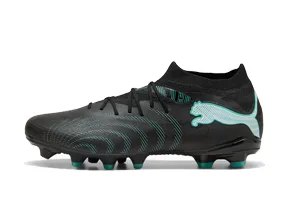
The Future’s adaptive fit translates well to younger feet too, with Play and Pro Youth tiers covering both ends of the junior range. See our kids’ boot guide for the full Puma breakdown.
Genuine Fuzionpods, full GRIPCONTROL PRO and the responsive FLEXGILITY outsole this review is based on.
Check the Ultimate at Puma ↗The Future’s shape and traction without the genuine Fuzionpod feedback.
Check the Pro at Puma ↗Puma Future 9 questions answered
| Question | Short answer |
|---|---|
| Do the Puma Future 9 fit true to size? | True to size is the safest choice. The boot runs approximately a quarter-size long and leaves some extra space around the smaller outer toes, but going half a size down makes the tapered midfoot considerably tighter. |
| Are the Puma Future 9 suitable for wide feet? | They can accommodate moderately wide feet, but the underlying shape is closer to average width and tapers noticeably through the midfoot. The wider-foot friendliness comes mainly from the stretchy knitted tongue, collar and adaptable FUZIONFIT upper rather than a genuinely broad last. |
| How has the Future 9 changed from the Future 8? | The biggest change is the move away from the Future 8’s separate LYCRA sleeve and outer mesh layers. The Future 9 uses a more unified, one-piece outer construction that integrates its textures, Fuzionpods and coating into a cleaner setup. It flexes more naturally and no longer feels as stiff or restrictive as its predecessor. |
| What do the Fuzionpods and GRIPCONTROL PRO do? | The Fuzionpods cushion harder passes and produce subtle haptic feedback, helping you sense where the ball has met the foot. GRIPCONTROL PRO adds mild tackiness for dribbling, passing and receiving, though the effect is controlled rather than excessively sticky. Genuine Fuzionpods are reserved for the Ultimate; the similar-looking details on the Pro are largely cosmetic. |
| Can the Puma Future 9 Ultimate FG be worn on artificial grass? | The Ultimate FG should be kept to firm natural grass. Its long, blade-shaped studs bite too aggressively for artificial pitches, despite the circular arrangement. Puma offers dedicated AG tooling, while the Pro and Match carry FG/AG configurations, though the Match studs may still feel overly aggressive for regular synthetic-pitch use. |
| Which Puma Future 9 tier should I buy? | The Ultimate gives the complete experience, including genuine Fuzionpods, GRIPCONTROL PRO and the responsive FLEXGILITY outsole. The Pro retains PWRTAPE and targeted texturing but has a thicker, slicker upper without genuine pod feedback. The Match feels cheaper but offers more pronounced surface texture, additional width and potentially better value for recreational players. |
| Which professional players wear the Puma Future 9? | Neymar Jr and Xavi Simons have been leading faces of the Future 9, fitting its emphasis on creativity, close control and unpredictable movement. Puma has also featured players such as Jack Grealish, Morgan Rogers, Sandy Baltimore and Alex Greenwood in its Future 9 campaigns. |
Final verdict
Puma Future 9: FootballBoots Verdict
Buy it if
- You receive between the lines and turn under pressure
- Your game is pivots, feints and repeated changes of direction
- You want a substantial, informative touch
- You have moderately wide feet
- You play mainly on firm natural grass
Avoid it if
- Your game is straight-line sprinting
- You want the lightest boot possible
- You want a soft, barefoot-style upper
- You have a genuinely narrow or slim heel
- You play mostly on artificial grass
Read the full final verdict
What is it trying to be? A control boot built through agile movement: receiving on the turn, changing direction before a defender can set, keeping the ball close as space disappears.
Does it succeed? Mostly. The one-piece upper and Fuzionpods deliver real touch and feedback, and the heel is much improved. The soleplate’s weight is the one part of the boot that works against its own identity.
Who benefits most? A No.10 or advanced No.8 receiving between the lines, an inverted winger cutting inside, a false nine receiving with their back to goal.
Who should avoid it? Straight-line sprinters, anyone wanting the lightest boot on the shelf, a soft barefoot-style upper, or a genuinely narrow heel.
Where does it sit in the silo’s history? The Future has moved from customising lockdown through NETFIT, to creating it through compression bands, targeted reinforcement and increasingly integrated uppers. The 9 fixes the Future 8’s biggest mistake, the stiff layered upper, without abandoning what made it interesting.
How the Future has changed over time
The Puma Future dates back to 2018, when the Future 18.1 was unveiled around the distinctive NETFIT lacing system, timed for that year’s World Cup. Its external grid let players route the laces differently according to foot shape and preferred lockdown, making customisation and individuality the silo’s original identity. Puma refined that concept through several generations, but NETFIT eventually gave way to a cleaner interpretation of the same principle. The Future Z 1.1 was the decisive reset: less about how many ways the boot could be laced, more about securing the foot without restricting the turns, twists and unpredictable movement of a creative player. Every Future since has continued to reinterpret that balance between lockdown and freedom.
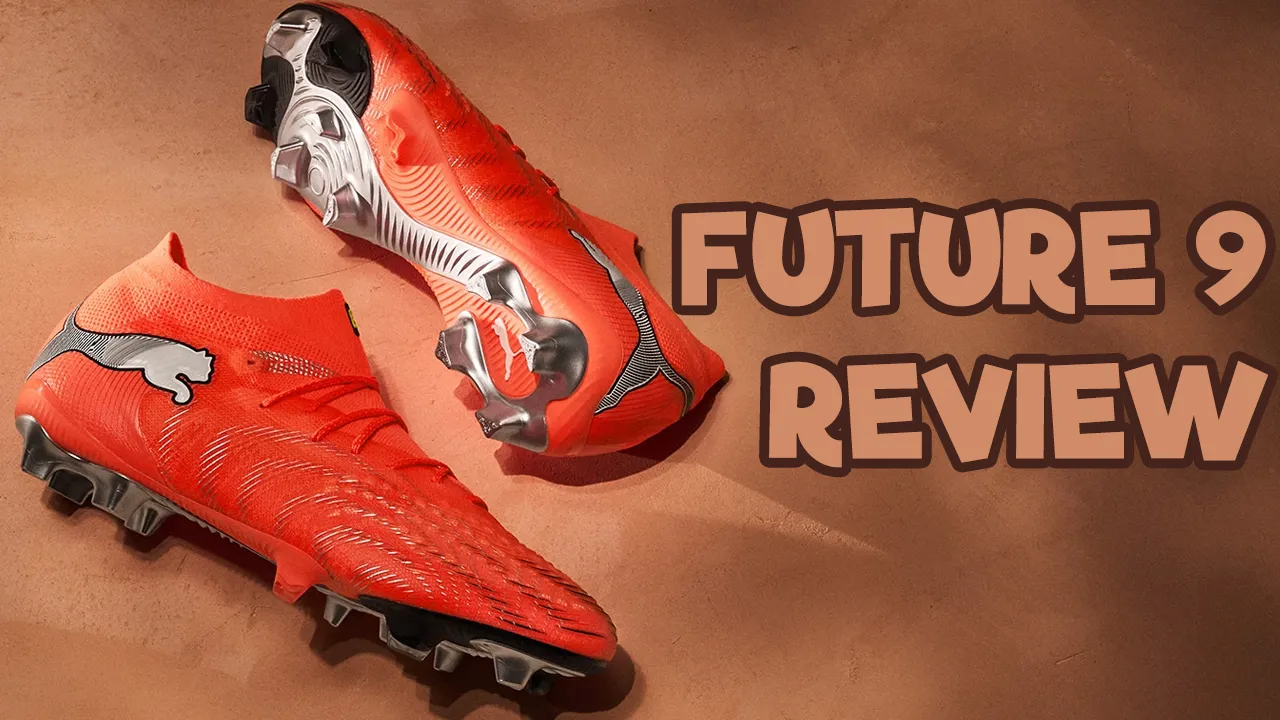
Addresses the main shortcomings of the Future 8 rather than abandoning its best additions. A cleaner one-piece outer construction integrates the textures, Fuzionpods, PWRTAPE and GRIPCONTROL PRO into a more unified setup, and a narrower heel opening improves security around the Achilles. FLEXGILITY remains for aggressive pivots, though its stiffness and weight continue to divide opinion.

FUZIONFIT3 introduced an elastic LYCRA inner layer beneath a high-density outer mesh, with PWRTAPE support and new 3D Fuzionpods for cushioning and haptic feedback. FLEXGILITY replaced the Dynamic Motion System with large forefoot blades. These were important ideas, but the layered upper proved stiff and restrictive, and the relatively flat heel shape made lockdown less convincing than intended.

Refined the Ultimate rather than replacing its formula. Dual mesh and the Dynamic Motion System remained, but PWRPRINT joined a redesigned PWRTAPE arrangement positioned more prominently across the arch, and the tongue area was streamlined for a cleaner wrap.

Dropped the Z name and broadened the adaptive-fit concept through FUZIONFIT360. Dual-mesh material extended from the forefoot towards the sides and rear quarter, and PWRTAPE appeared along the medial and lateral sides. A redesigned dual-density Dynamic Motion System balanced a stable rearfoot with greater forefoot flexibility.
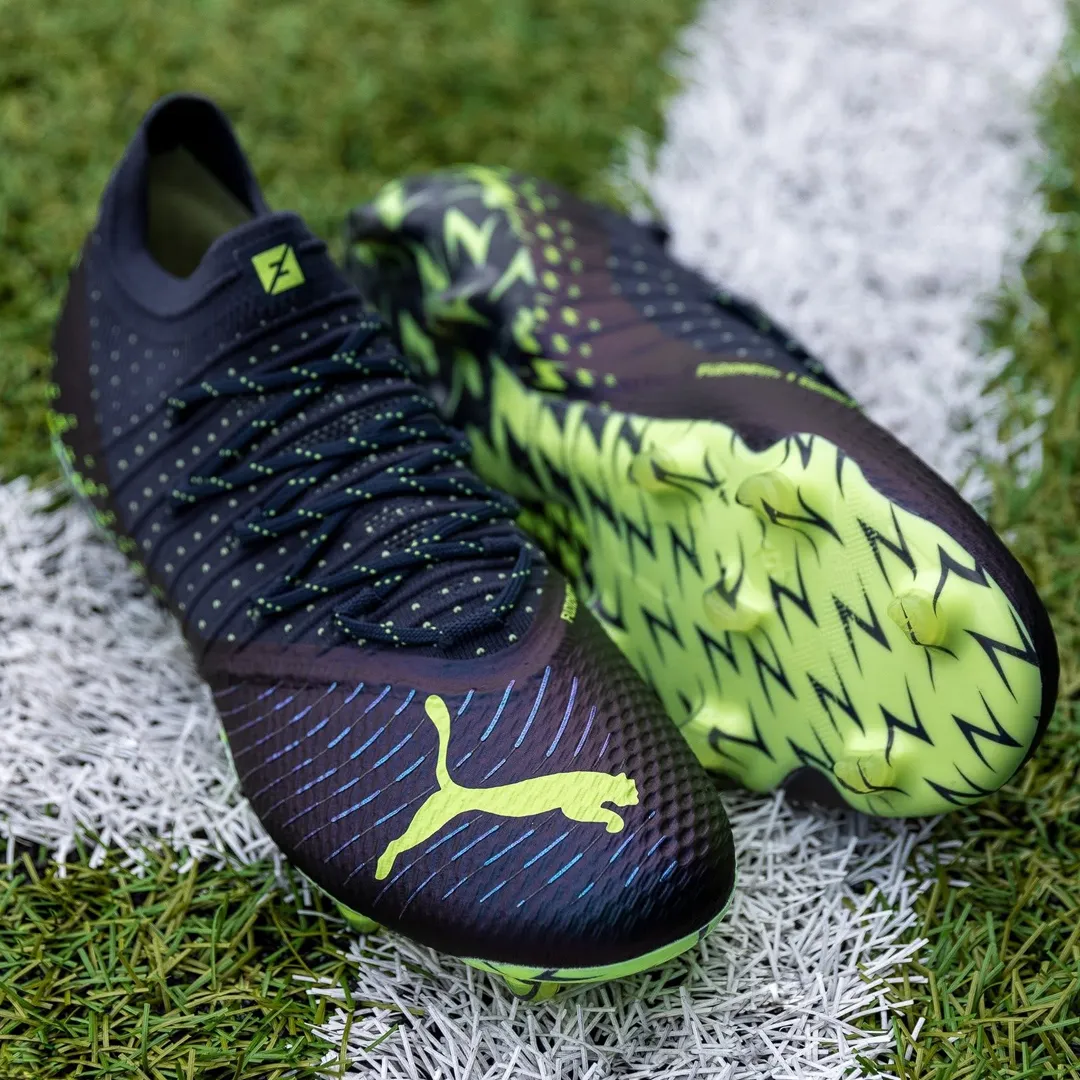
The mature version of the Z formula rather than another reinvention. It retained the expanded FUZIONFIT+ construction, comfortable sock-like fit and lightweight Dynamic Motion System, with changes limited to the pattern and positioning of the Advanced Creator Zones.
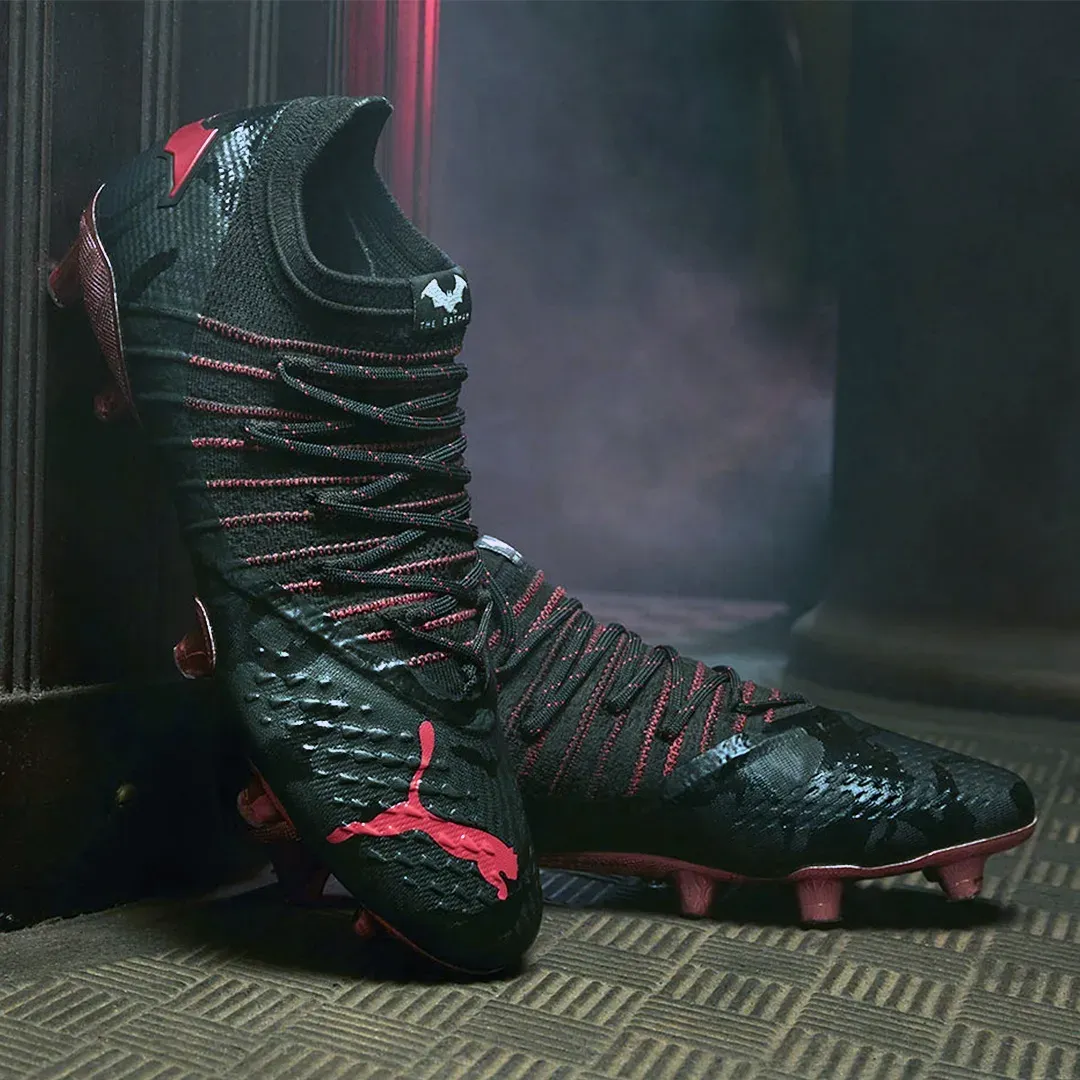
The first substantial refinement of FUZIONFIT+. The compression structure extended further across the top of the foot, distributing pressure more evenly and making the boot genuinely usable with or without laces. Advanced Creator Zones combined a softer medial texture for passing with more aggressive lateral grip for dribbling.
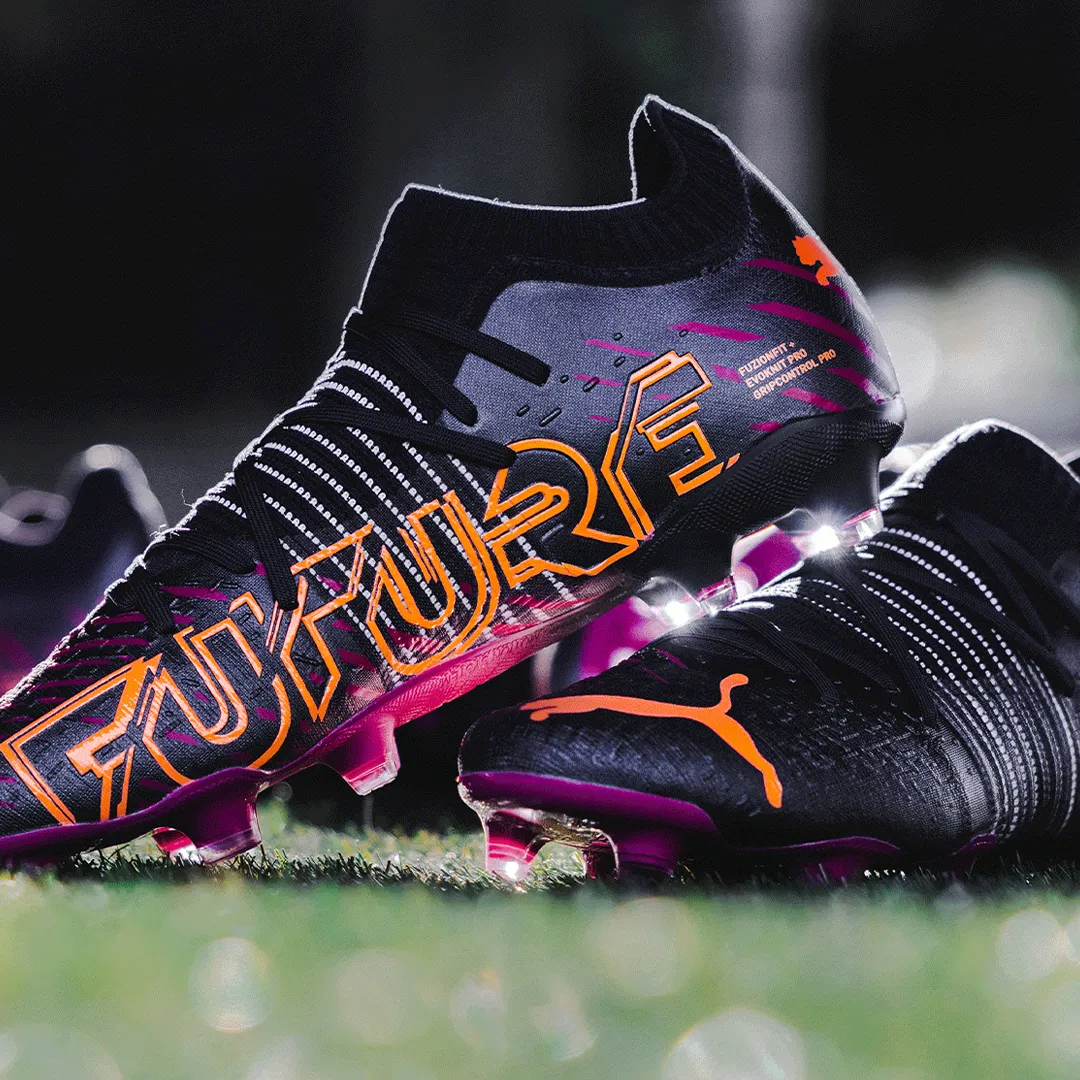
Largely a continuation of the original concept. The compression band, knitted upper and Dynamic Motion System stayed close to unchanged, with smaller adjustments to the collar and surface grip. Special versions such as the Tech Edition strengthened the compression band to make laceless wear more practical.
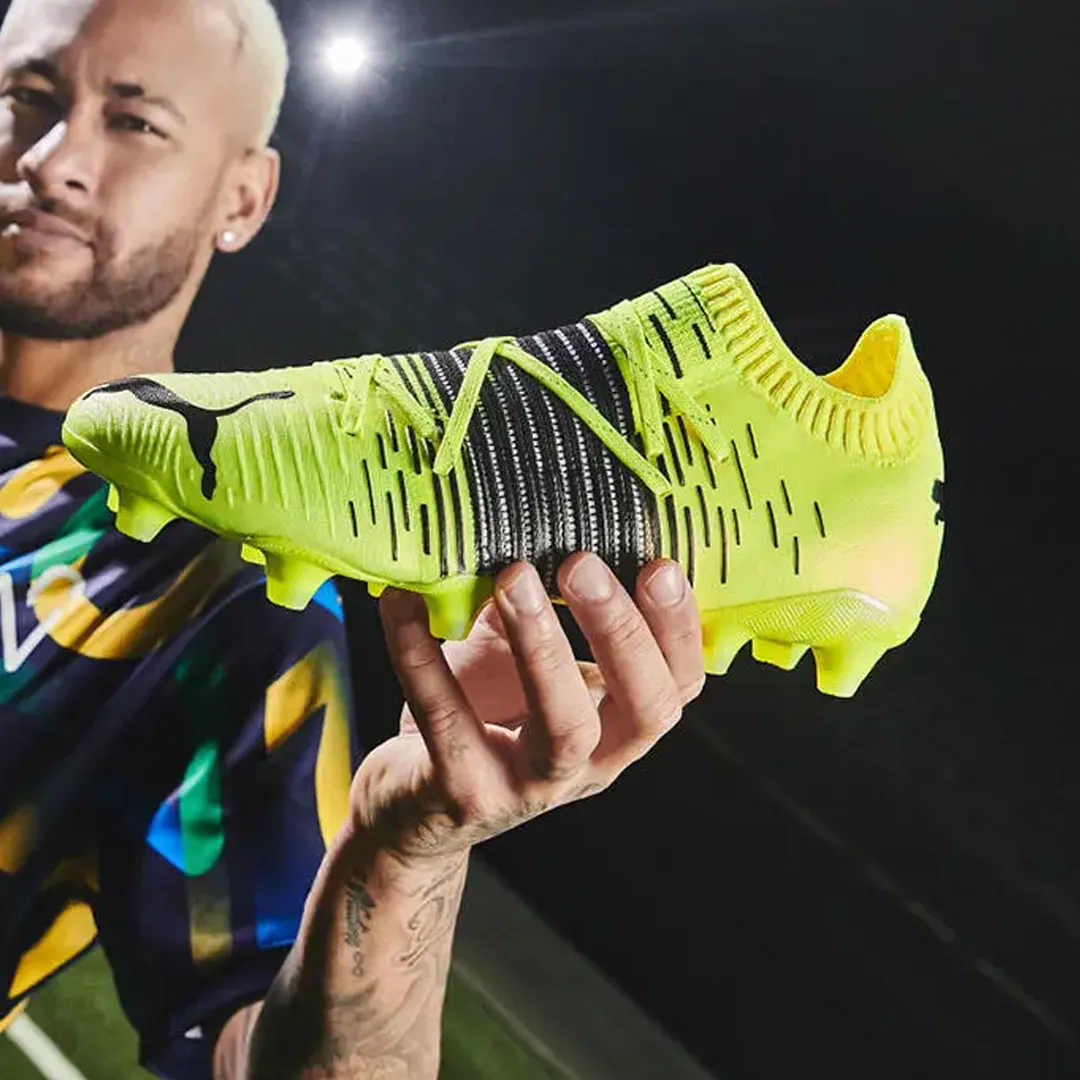
Established the foundation of the modern silo. NETFIT was replaced by a FUZIONFIT+ compression band concentrated around the midfoot, a soft knitted upper and GripControl Pro coating supported comfort and ball control, and the Z-shaped Dynamic Motion System outsole gave multidirectional traction.
