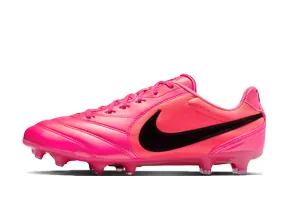
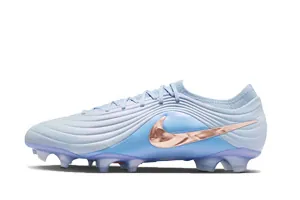
Quick Verdict
The most complete Tiempo of the synthetic era, and the clearest statement yet of what the silo is actually for. The Maestro is not built to make you faster or to feel like leather for its own sake. It is built to take the friction out of the things a thinking footballer does every few seconds: receive cleanly under pressure, settle the ball without a second thought, keep the foot planted as you open your body to play, and stay comfortable enough across 90 minutes that your concentration never drops to your feet. It is not K-leather, and the heaviest touches still show that. But for the player who controls a game through decisions, this is the boot that gets out of the way and lets them.
Latest Nike Tiempo Maestro Releases
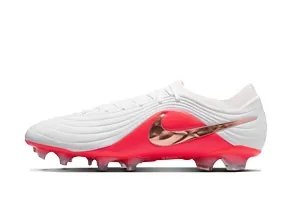
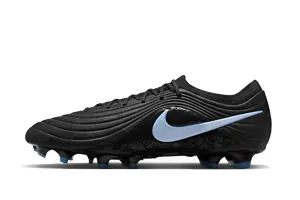
Break Em
Check stock↗Latest Maestro for the start of the 2026/2027 season.
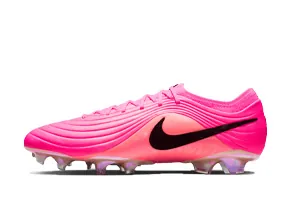
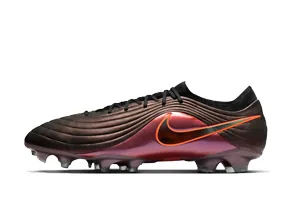
Heat Up
Check stock↗‘Colour in Motion’ concept sees a dark base deliver subtle tone changes.
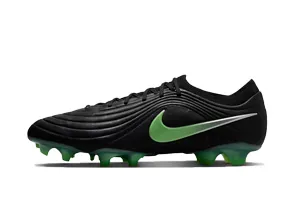
Shadow
Check stock↗Nike keeps a black Tiempo option available through the Shadow collection.
The Tiempo Maestro is designed and produced by Nike. FootballBoots.co.uk is an independent, unaffiliated review site, and all opinions here are our own. This page contains affiliate links, which may earn us a commission if you choose to purchase, but this does not influence our reviews.
What it is for
The thinking player’s boot. Control through decisions, not speed
Upper
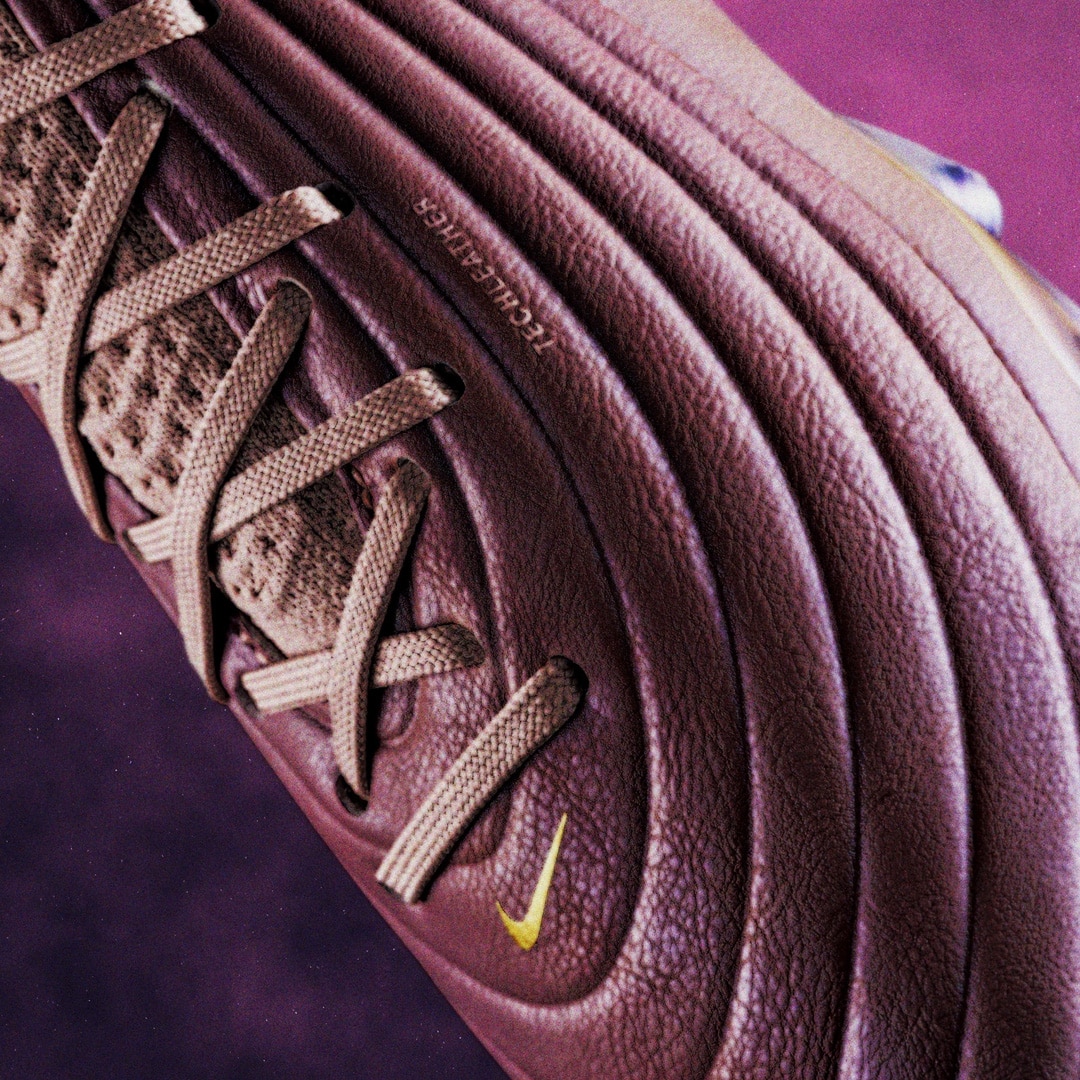
TechLeather, Nike’s best synthetic leather yet, soft from the box
Plate
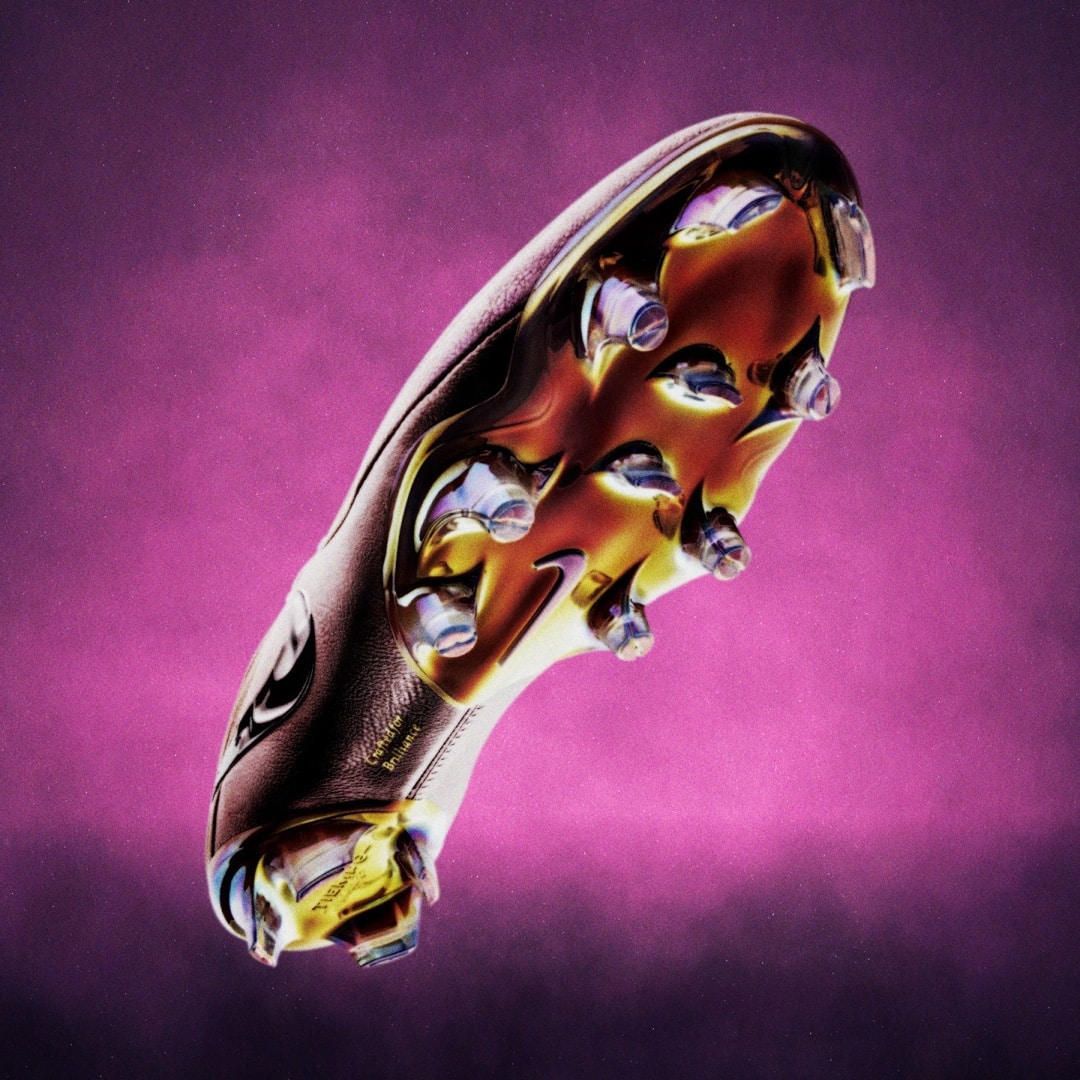
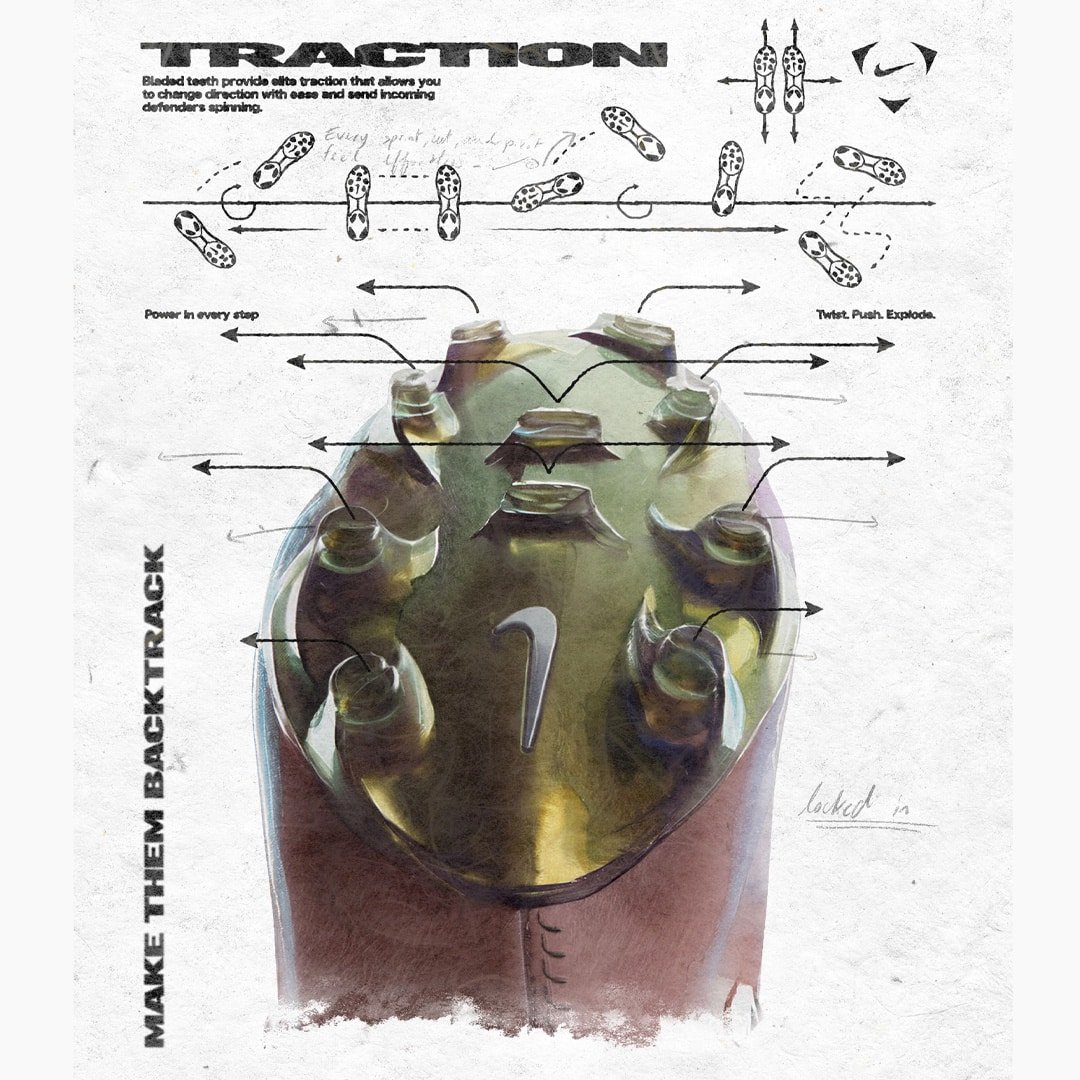
Split-sole Maestro360, blades at the heel, conicals at the toe
Fit
Wide with a rounded open heel, true to size. Toe box tapers low and pointy
Tiers
Elite, Ligera Pro (closer to ground, indoor and turf), Academy (around £80)
Honest limit
Close to K-leather, but the heaviest touches still show it is synthetic
Built for players who control the game through decisions, not speed.
Check the latest Tiempo Maestro ↗Football Identity: The Thinking Player’s Boot
The best way to understand the Tiempo Maestro is to stop thinking about the boot and think about the player.
There is a kind of footballer whose advantage is not in their legs. They rarely look rushed because they have already scanned, already decided, already shaped their body to play the next ball before it reaches them. Their value is in reading the game, receiving under pressure, passing accurately, controlling the tempo, and making fewer mistakes than the players around them. Rodri-type holding midfielders, centre-backs who start the play, midfield controllers, possession players: different positions, same way of winning.
If you play at centre-back and build attacks from the back, see our best boots for defenders guide for how the Tiempo stacks up against other composure-first options.
The Maestro is built around that player. Everything Nike changed serves the quiet, repeated, unglamorous actions that decision-makers live on. The upper makes the first touch a non-event so the head can stay up. The plate lets the foot roll and open as you receive on the turn. The fit stays comfortable deep into the second half so your attention never drops from the game to your feet. None of it is about doing something spectacular. It is about removing the small frictions that cause mistakes, so the player who is already winning the game with their brain keeps winning it.
That is the line between this boot and the Mercurial, and it is the cleanest contrast in Nike’s range. The Mercurial is for the player who wins the moment with speed and separation. The Maestro is for the player who has already won it with a decision, and just needs the execution to be clean.
Buy the Maestro if
✓ You control the game through decisions, not speed: reading it, receiving cleanly, setting the tempo
✓ You are a Rodri-type controller, a ball-playing centre-back or a possession midfielder
✓ You have a broad foot or a wide heel and want a fit that stays comfortable for 90 minutes
✓ You want a clean first touch under pressure without the weight or break-in of leather
Think twice if
✗ You are a pure pace merchant. Your game is speed and separation, look at the Mercurial
✗ You want the thinnest barefoot feel or the lightest boot going. The Maestro is padded by design
✗ You have a deep or long-toed foot. The toe box tapers low and pointy
✗ You specifically want real K-leather. A King or a Morelia gets you closer
Still deciding?
If the Maestro is not quite your boot, here is the real fork in the decision.
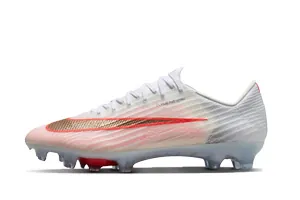
Nike Mercurial
The speed counterpoint. Choose if your game is pace and separation, not control and decisions.
Read the review →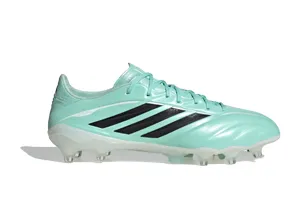
adidas Copa Pure
The leather-feel rival. Choose if you want maximum cushioning and a more classic, padded touch.
Read the review →
Best Boots for Wide Feet
The Maestro suits a broad foot. See how it ranks against the rest of the wide-friendly options.
Read the guide →Who Should Buy?
Buy the Maestro if your game is built on decisions rather than speed. If you are the player your team builds through, the one expected to take the ball when it is difficult and move it on cleanly, this boot is designed around your priorities. Deep midfielders, ball-playing centre-backs and tempo-setting controllers get the most from it.
It is also a strong pick for a broad foot. The wide, rounded last is one of the more accommodating elite fits available, and it stays comfortable when the foot swells late on, which matters more than it sounds for a player whose value depends on staying switched on for the full 90.
Who Shouldn’t Buy the Tiempo Maestro
Avoid it if you are a pure pace merchant. A winger or a striker who plays off the last shoulder and wins games in a straight line will feel the Maestro as heavier and less direct than a Mercurial or an F50, and will not get enough back to justify the trade.
Avoid it if you want the most aggressive, barefoot feel on the ball. The Maestro is padded and cushioned by design, because that is what suits a player taking touch after touch under pressure. If you want the thinnest, most direct, closest-to-the-ball sensation, this is the wrong boot, and a stripped speed silo will suit you better.
Avoid it if you are chasing the lightest possible boot. The Tiempo is not heavy, but lightness is not its purpose and it will never be the number on the scales you want.
And try before you buy if you have a deep or long-toed foot. The boot is wide through the midfoot and heel, but the toe box tapers low and a little pointy, so high-volume toes can feel pinched at the very front.
Who Wears the Tiempo Maestro
The archetype is the controller. Nike puts forward Frenkie de Jong and Jamal Musiala, and they fit: both receive constantly under pressure, both play on the half-turn, both keep the ball moving in tight areas. But the identity is wider than two names. It is the Rodri-type holding midfielder who screens and recycles, the centre-back who builds play out from the back rather than just clearing it, the midfield controller who sets the tempo, the possession-based footballer whose whole game is keeping the ball and choosing the right moment. If your team’s rhythm runs through you, you are who this boot is for.
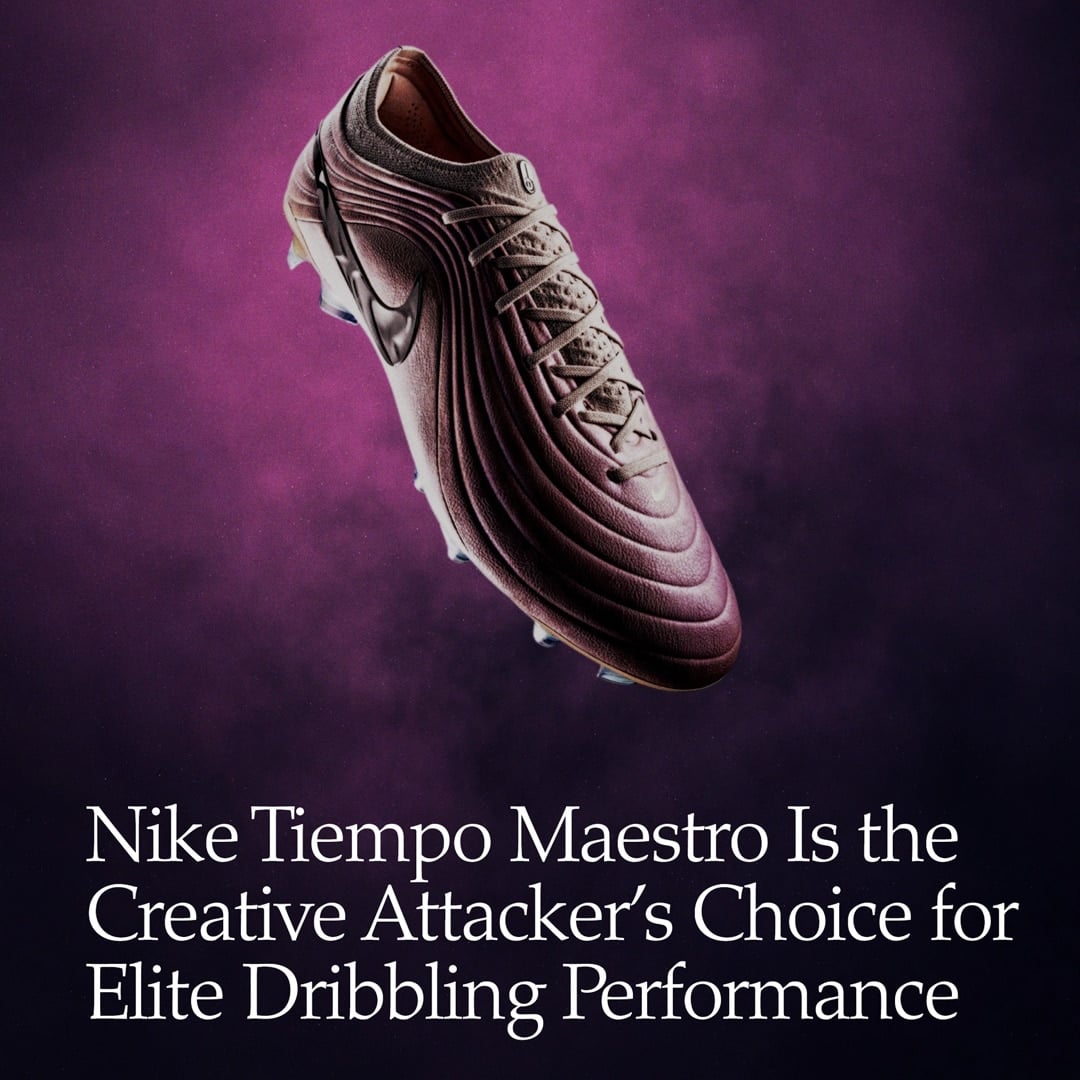
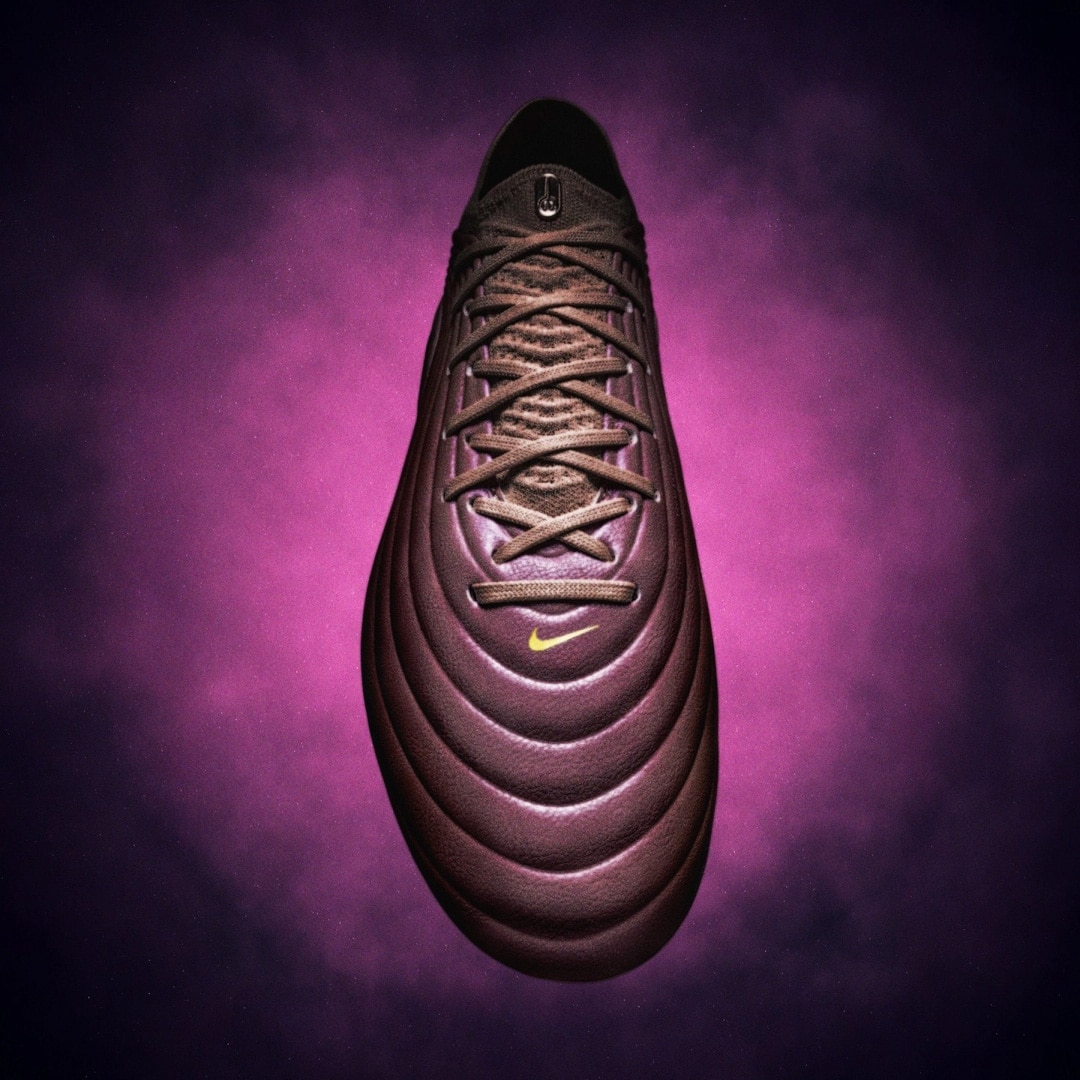
Maestro is the perfect balance between the modern, light boots and iconic, premium leather — with a bit more flair.
Jamal Musiala, Attacking Midfielder
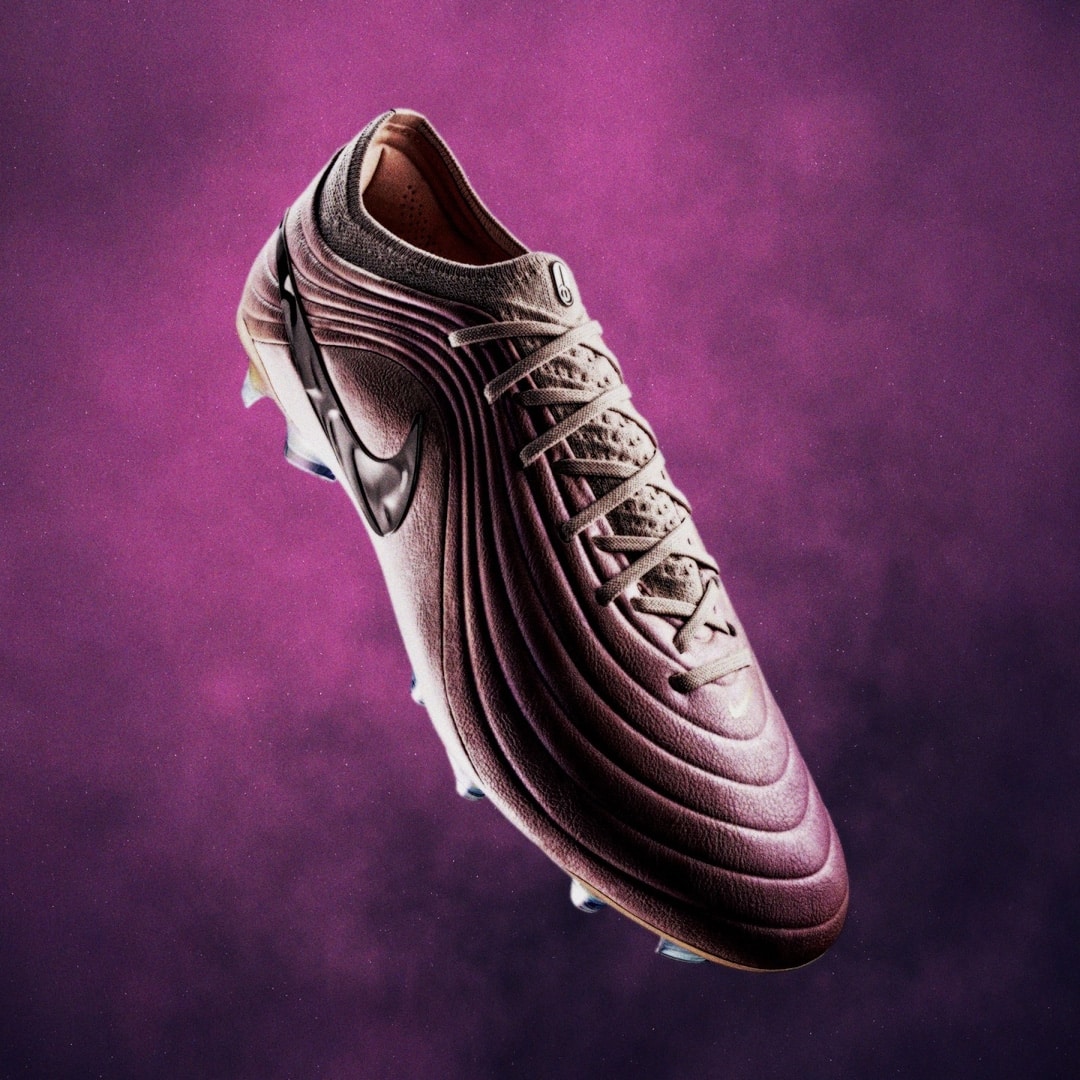
Fit & Feel
Comfort: Built for 90 Minutes of Concentration
Start with comfort, because for a thinking footballer it is not a luxury, it is part of the job. A player who relies on reading the game cannot afford to be distracted by their feet. The Maestro is built for that: a cushioned upper, a padded mesh liner, and a fit that does not bite, so that at the 80th minute when the game is at its most decisive your attention is on the picture in front of you and not on a hot spot across your foot.
Why wide-foot players choose Tiempo
The fit is wide, and unusually for a Tiempo the width carries all the way back. The heel is more rounded and open than most boots, which is why so many wide-foot players gravitate to the Tiempo: it is one of the few elite boots that accommodates a broad rear foot without slipping or pinching. Through the midfoot it is generous. The one caveat is the toe box, which tapers low and slightly pointy, so the front does not feel as roomy as the middle. It comes up true to size against Nike’s length-based guide.
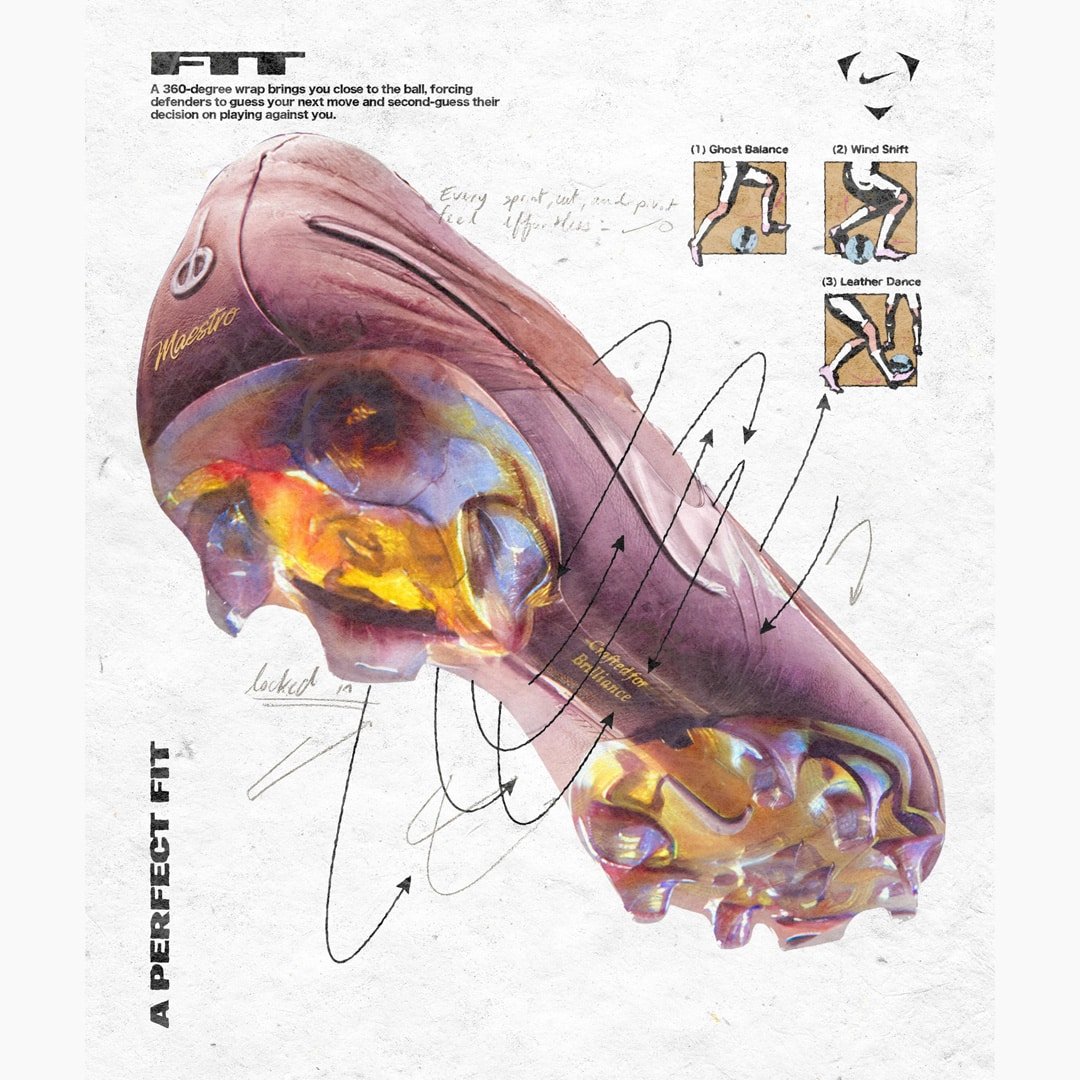
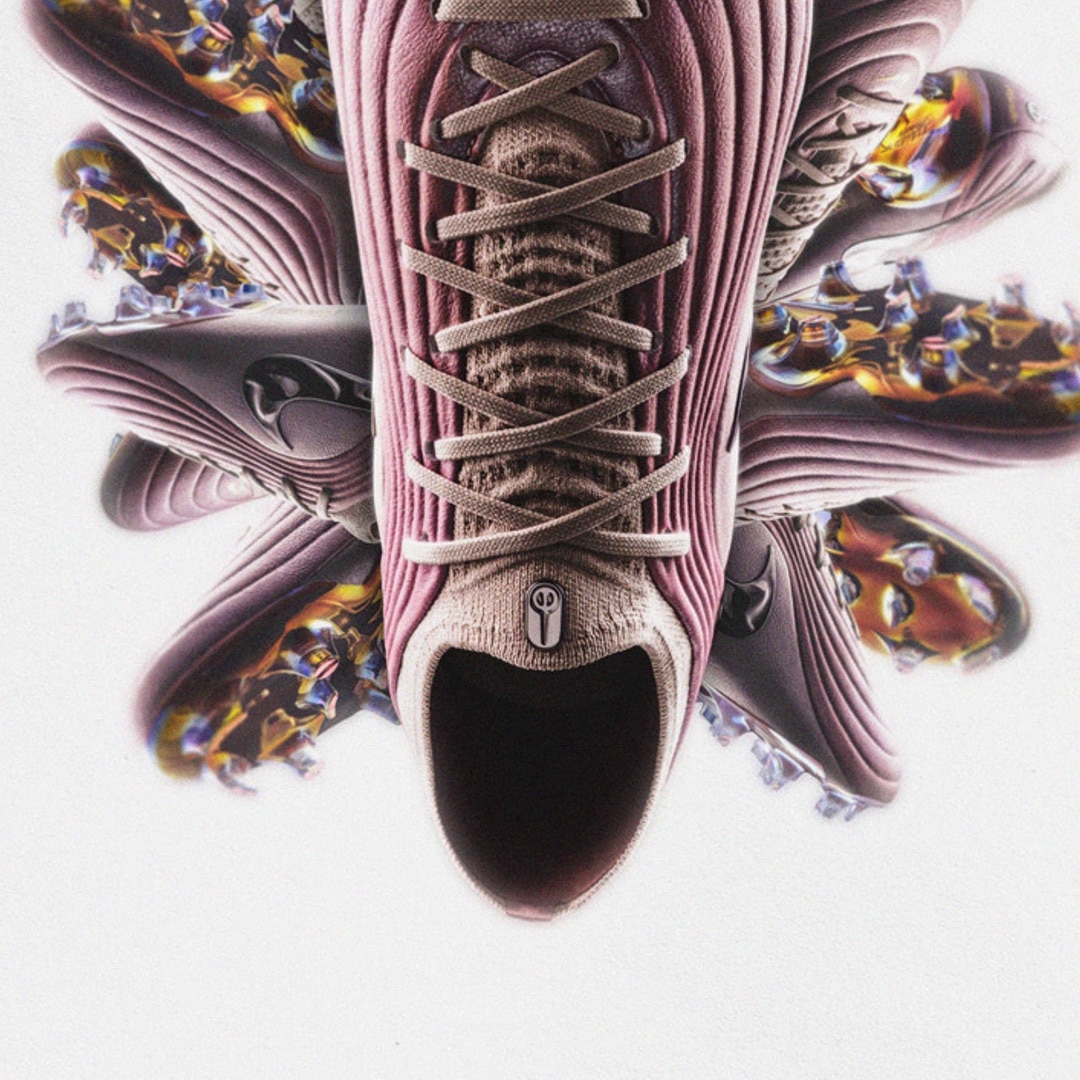
The feel earns the rest. Out of the box the TechLeather is soft and pliable, and the liner adds padding so the ball lands soft. You notice it most on the first awkward ball you take under pressure: instead of bouncing off, it settles and dies, and you have time you did not expect. That is the point of the whole boot, time, and it gives it to you.
My Relationship With This Silo
I have worn Tiempos through the leather years and the synthetic turn, and I came into the Maestro a sceptic. The Legend X losing K-leather felt like losing the point of the boot. So the question I was testing was simple: has Nike finally made a synthetic that earns the Tiempo name, or is this just a lighter boot with a heritage badge?
Tiempo Maestro Construction: The Move Away from Leather
The headline change is TechLeather, and it matters because of what it lets the player do, not because of what it is made of. This is the best synthetic leather Nike has put on a Tiempo: soft and pliable from the first wear, with a matte tacky surface that grips a driven ball and takes on up to 29% less water than before. Translated into a match: when you stick a boot out to kill a switch of play in the rain, the ball stays with you instead of skidding off a slick upper, and your next decision is made on a settled ball.
Is it K-leather? No, and it is worth being straight about that. K-leather has an innate balance of padding and tension that absorbs a heavy ball and springs it back in one motion. TechLeather gets close on softness but is still a step short on that natural give. On the heaviest touches, a driven pass taken flush, you can feel the gap. On the day-to-day receiving that makes up most of a match, it is hard to tell you are not in leather.
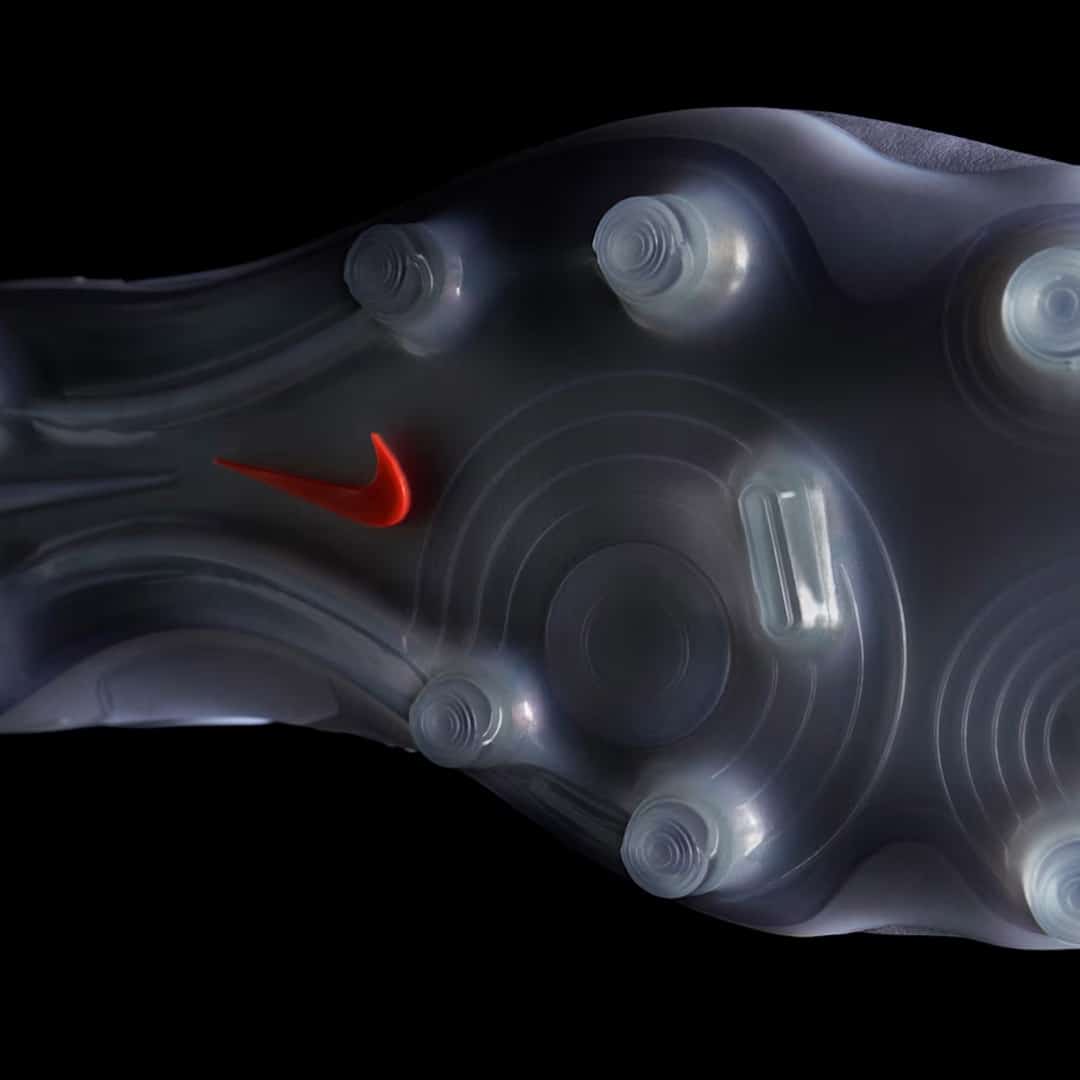
The second change is underfoot. For the first time on a Tiempo, Nike uses a split-sole plate, the Maestro360, which lets the upper wrap under the midfoot and lets the foot flex and twist rather than sit on a rigid board. You feel it when you open your body to play round the corner: the foot rolls with you instead of fighting the turn, which is exactly the moment a controller needs the boot to cooperate.
On-Pitch Experience: Touch & Control: Clean First Touches Under Pressure
The boot makes its case in the first ten minutes of receiving under pressure. Taking the ball on the half-turn with a man on my shoulder, the touch I expected to need two attempts at only needed one: the ball settled into the space I wanted on first contact, and the split-sole let me open out and play without resetting my feet. That is the whole pitch for this boot, a clean first touch under pressure buying a clean decision, and it lands.
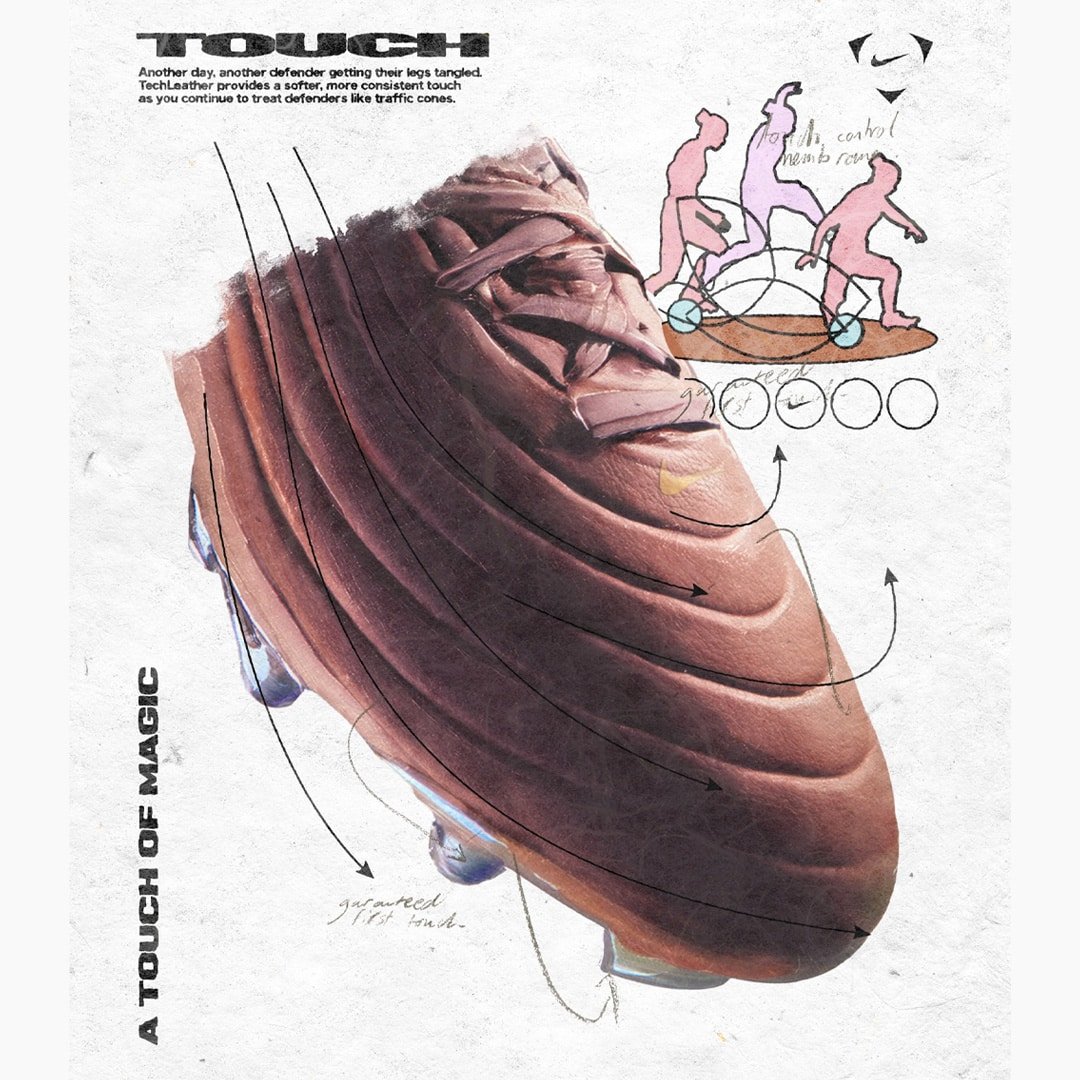
In the wet it held up better than I expected from a synthetic. The tacky surface kept driven balls under control when I half-expected them to slide. Where the boot reminded me it is not leather was on the heaviest touches: a flat, firm pass taken full on the upper sat up a fraction more than it would in K-leather. Late on, with my feet swollen after an hour, the wide rounded fit was a genuine relief: no hot spots, no pinching except the very front of the toe, and crucially nothing pulling my focus away from the game.
Technology Translation
TechLeather. Nike’s marketing calls it a buttery synthetic leather. What you actually notice is a first touch that dies on contact, so the ball is settled and your decision is made before a presser can close you down. The tacky matte surface is the bit you feel on a driven ball in the wet, when it grips instead of skidding off.
Maestro360 split-sole plate. Nike calls it a 360 plate with blades and teardrop conicals. What you actually notice is a foot that can twist and open as you receive, rather than sitting on a stiff board. When you take the ball on the half-turn and roll your body round it, the plate moves with you.
The stud mix. Blades at the heel, conicals at the toe, support blades on the forefoot. In play this means the heel holds when you plant to receive with your back to goal, and the conicals let you rotate out of the turn without the studs catching.
Weaknesses & Tradeoffs
It is not leather, and the heaviest touches show it. Close, but a step short of the natural give of K-leather.
The toe box tapers low and pointy, so deep or long-toed feet can feel pinched at the front even though the boot is wide everywhere else.
It is a controller’s boot, not a speed or barefoot-feel boot. If you want lockdown lightness or the thinnest possible touch, this is the wrong silo.
The heel blades can feel clingy on dry artificial grass. The conicals help rotation, but on a hard, dry 3G the heel can grip more than you want.
Not every colourway ships with AG tooling, so if you play mainly on artificial grass, check the soleplate before buying that release.
Tiempo Maestro vs Mercurial, Predator and Phantom
Against Nike’s own Mercurial, the split is the cleanest in the range and the fastest way to understand the Tiempo: Mercurial is speed and separation, Maestro is decisions and control. Same brand, opposite jobs. Choosing between them is really choosing what kind of player you are.
Against the adidas Copa Pure, you are comparing synthetic against actual leather. The Copa gives you the real natural give the Maestro gets close to but does not quite match, at the cost of more weight and a longer break-in. If leather feel is the whole point for you, the Copa answers it; if you want most of that feel in a lighter, lower-maintenance boot, the Maestro is the smarter buy.
Against the Puma King, both chase a leather-like feel through synthetic uppers. The King leans into more padding and a more classic, heavier feel; the Maestro is lighter-feeling with the better plate for turning and receiving on the move. The King is the pick if you want maximum cushioning above all.
Tiempo Maestro Tiers: Elite, Ligera Pro and Academy
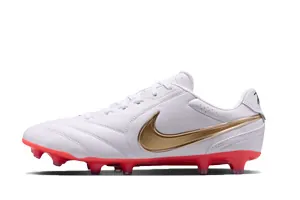
The Maestro range runs three tiers. The Elite is the boot reviewed above. The Ligera Pro (covered in full below) is the second-position pick for the same player who wants a closer-to-ground feel and small-sided options. The Academy is the takedown.
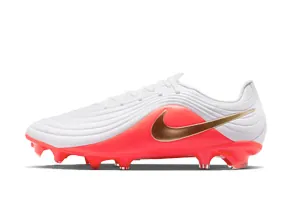
| Tier | EliteThe full boot | Ligera ProCloser to ground | AcademyBest value |
|---|---|---|---|
| Boot |
|
|
|
| Upper | TechLeatherSoft synthetic leather, mesh liner | TechLeatherSame upper, floating tongue | FlyTouchPadded, less thin than Elite |
| Soleplate | Maestro360 split-soleBlades and teardrop conicals | One-pieceConical layout, closer to ground | One-pieceMore aggressive traction |
| Feel | Twist and rollOpens the body on the turn | PlantedPredictable, closer to ground | Solid valueGood touch for the price |
| Surfaces | FGAG |
FGTFIN |
MGSGTF |
| Best for | The controller who wants the full boot, no compromise | Same player, wants a closer feel or indoor and turf | The Elite feel on a budget |
Scroll the table sideways to see every tier →
Academy : One of the more convincing takedown boots for getting close to the Elite feel. The upper is FlyTouch rather than TechLeather, less thin and less soft, but still padded and pliable, with genuinely usable touch for around £80. The heel cutout and soft microfibre liner feel premium for the price; the insole is where the corners were cut. Traction runs more aggressive than the Ligera Pro, labelled multi-ground but with blades clingy enough that it is not ideal for AG. Low-cut only, with an SG option that adds Anti-Clog.
Nike Tiempo Ligera Pro: The Same Boot, Closer to the Ground
The Ligera Pro is for the same thinking player as the Elite who wants two things the Elite does not give them: a closer-to-ground feel and a route into small-sided football. It keeps the part that matters most, the TechLeather upper, so the clean first touch that defines the Maestro is fully intact. You are not stepping down on the thing the boot is built around.
What changes is around it. A floating tongue gives you more control over the lockdown, which suits players who want to tune the fit rather than take it as it comes. Underfoot, the split-sole Maestro360 is swapped for a one-piece soleplate with a conical layout, which sits you a fraction closer to the ground and trades some of the Elite’s twist-and-roll for a more planted, predictable feel. For a controller who values certainty over mobility underfoot, that is a fair trade, and some will prefer it.
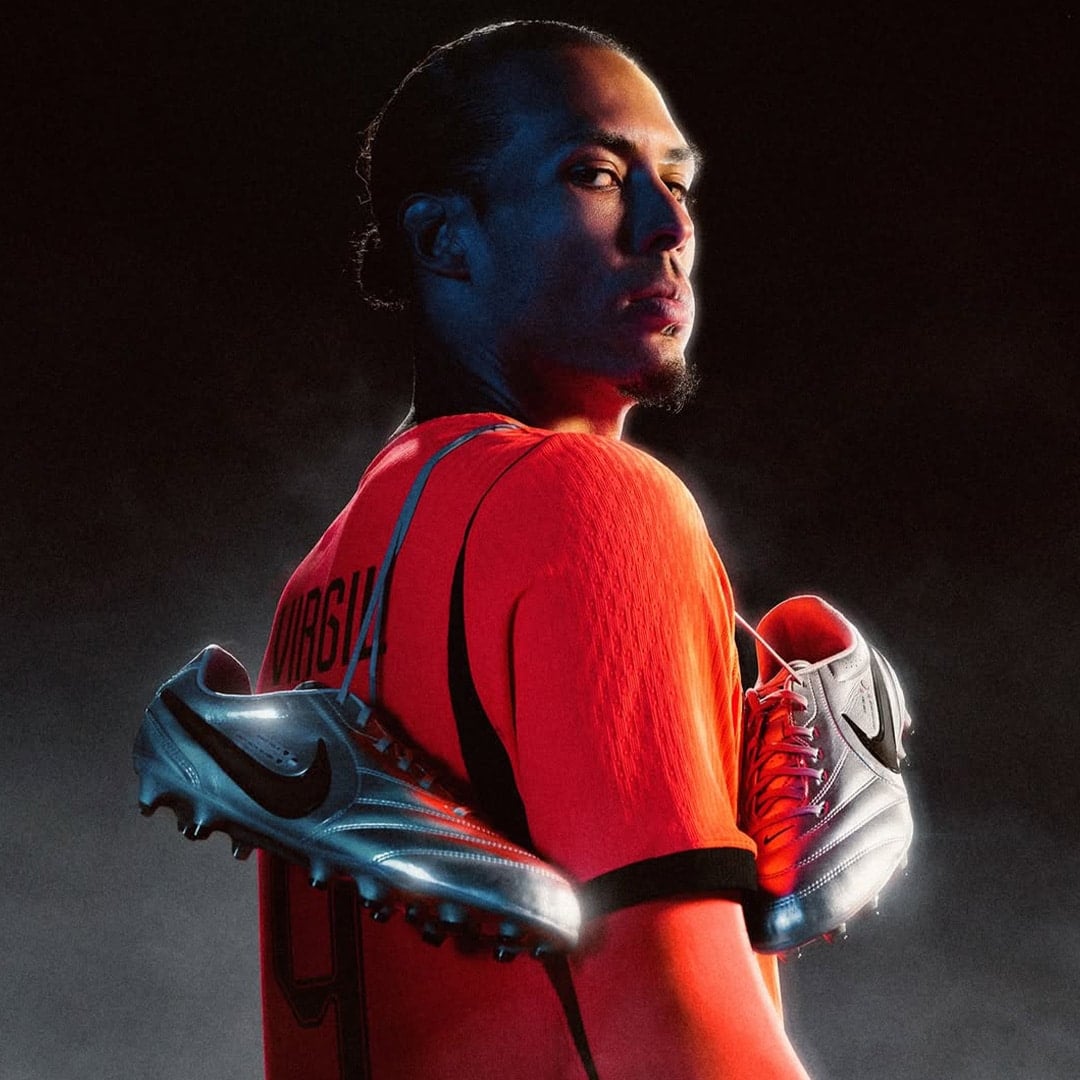

The other reason to look at the Ligera Pro is range: it comes in Indoor and Turf versions, so if your week includes futsal, cages or small-sided turf, this is the tier that follows you onto those surfaces with the same upper on your foot. The Elite cannot do that. For a player whose football is not only eleven-a-side on grass, the Ligera Pro is often the more useful boot to actually own.
Who the Ligera Pro is for: the controller who wants the Maestro feel but prefers a planted, closer-to-ground base, or who needs an indoor or turf option for small-sided games.
Who is the Nike Tiempo Maestro for?
Players who control the game through decisions rather than speed: Rodri-type holding midfielders, ball-playing centre-backs, tempo-setting controllers and possession-based footballers. If your biggest advantage is reading the game, receiving cleanly under pressure and making fewer mistakes than those around you, it is built for you.
Is the Nike Tiempo Maestro good for wide feet?
Yes. It is one of the more accommodating elite boots for a broad foot, and unusually the width carries through to a rounded, open heel. The one caveat is the toe box, which tapers low and slightly pointy, so deep or long-toed feet should try a pair first.
Is TechLeather as good as K-leather?
It is the closest Nike has come. TechLeather is soft and pliable from the box and reads as a genuine touch upper. On day-to-day receiving it is hard to tell you are not in leather, but on the very heaviest touches K-leather still has more natural give. Close, but a step short.
What is the difference between the Tiempo Maestro and the Mercurial?
They are built for opposite jobs. The Mercurial is a speed boot for players who win the moment with pace and separation. The Maestro is a control boot for players who win games through decisions: reading the play, receiving cleanly and setting the tempo. Choosing between them is really choosing what kind of player you are.
What is the difference between the Maestro Elite and the Ligera Pro?
The Ligera Pro keeps the same TechLeather upper, so the touch is intact, but swaps the split-sole Maestro360 plate for a one-piece conical soleplate that sits you closer to the ground, and adds a floating tongue for more adjustable lockdown. It also comes in Indoor and Turf versions, which the Elite does not.
Is there an AG version of the Tiempo Maestro?
Yes, there is AG tooling, but not every colourway release ships with it. If you play mainly on artificial grass, check the soleplate of the specific colourway before buying.
Does the Tiempo Maestro come up true to size?
Yes, true to size against Nike’s length-based guide. The fit is wide through the midfoot and heel, so it is the width rather than the length you need to think about. The toe box is the snug point.
Is the Tiempo Maestro Academy worth it?
For around £80 it is one of the better takedown boots for getting close to the Elite feel. The upper is FlyTouch rather than TechLeather, so it is less thin and less soft, but it still gives a padded, pliable touch. The insole is where the corners were cut. Traction runs more aggressive than the Ligera Pro.
Previous Tiempos
The Tiempo Legend was first released in 1984, accumulating a lot of variety and models as it continues to be one of the main offerings from Nike. Whilst the first-ever Nike Tiempo witnessed by the public was at the 1994 FIFA World Cup, it wasn’t until 2006 football boot fans saw the emergence of their Tiempo Legend I. Headlined by Ronaldinho, The Tiempo Legend was all about luxurious touch and feel. Let’s take a look at some of the previous models over the past few years.


In June 2011, Nike introduced the Elite Tiempo Legend IV; it had a Kangalite midfoot reinforced by Flywire cables and removes the classic Tiempo tongue. A stitched premium K-leather comprised the forefoot with an inner carbon fibre chassis running the full length of the sole.


With the Tiempo Legend 5 in December 2013, Nike introduced Hypershield technology into the leather silo, coating the upper with the All Conditions Control (ACC) coating and reinforcing it with a hydrophobic mesh layer. With Hypershield, the Tiempo Legend V significantly reduced water absorption and consistently provided the same ball touch regardless of weather conditions.


The Legend 6 launched in November 2015 and replaced the stitchings on the leather upper with an internal vacuum-pressed cushioned cage, resulting in the Tiempo VI retaining the touch attributes but without compromising the leather. Without the perforations from stitchings, the boot had a more seamless construction and more pliable upper. The removal of the quilting also aided in reducing water uptake.


The Tiempo Legend 7, released in June 2017, had the K-leather sitting on top of foam skeletons, forming a ridged pattern texture necessary for ball control. A Fit Mesh inner liner, connected to the biteline, tightened up upon pressure and provided most of the foot containment, preventing the K-leather from overstretching. The Tiempo VII was also the generation that applied Flyknit around the midfoot. The Flyknit on this boot was housing Flywire cables that supported midfoot lockdown. The Hyperstability plate was first introduced to the Tiempo and contained a mixture of conicals, blades, and chevrons for multidirectional traction.


The Tiempo Legend 8 was launched in June 2019 and featured a streamlined layering of K-leather, Quadfit Mesh, and Flyknit. The Legend VIII removed the foam ridges, getting its textured touch instead from the heat-pressed diamond quilt patterns on the K-leather itself. The four-way stretch Quadfit evolved the containment functions of the VII’s Fit Mesh. The Flyknit around the midfoot no longer had the Flywire cables, opting for a more snug, supportive fit instead. The Tiempo VIII was the second boot to feature the Hyperstability soleplate.


In 2021, Nike gave us the ninth generation of the Tiempo, and gone were the Quadfit mesh and Flyknit layers that somehow affected the leather feel of the Tiempo Legend 8. With the Legend 9, the Tiempo was able to maximise that premium K-leather sensation by simply removing the barriers between the upper and the foot. This Tiempo generation still showed some modern technical feature when it incorporated memory foam pods in key contact areas to further dampen ball touch.
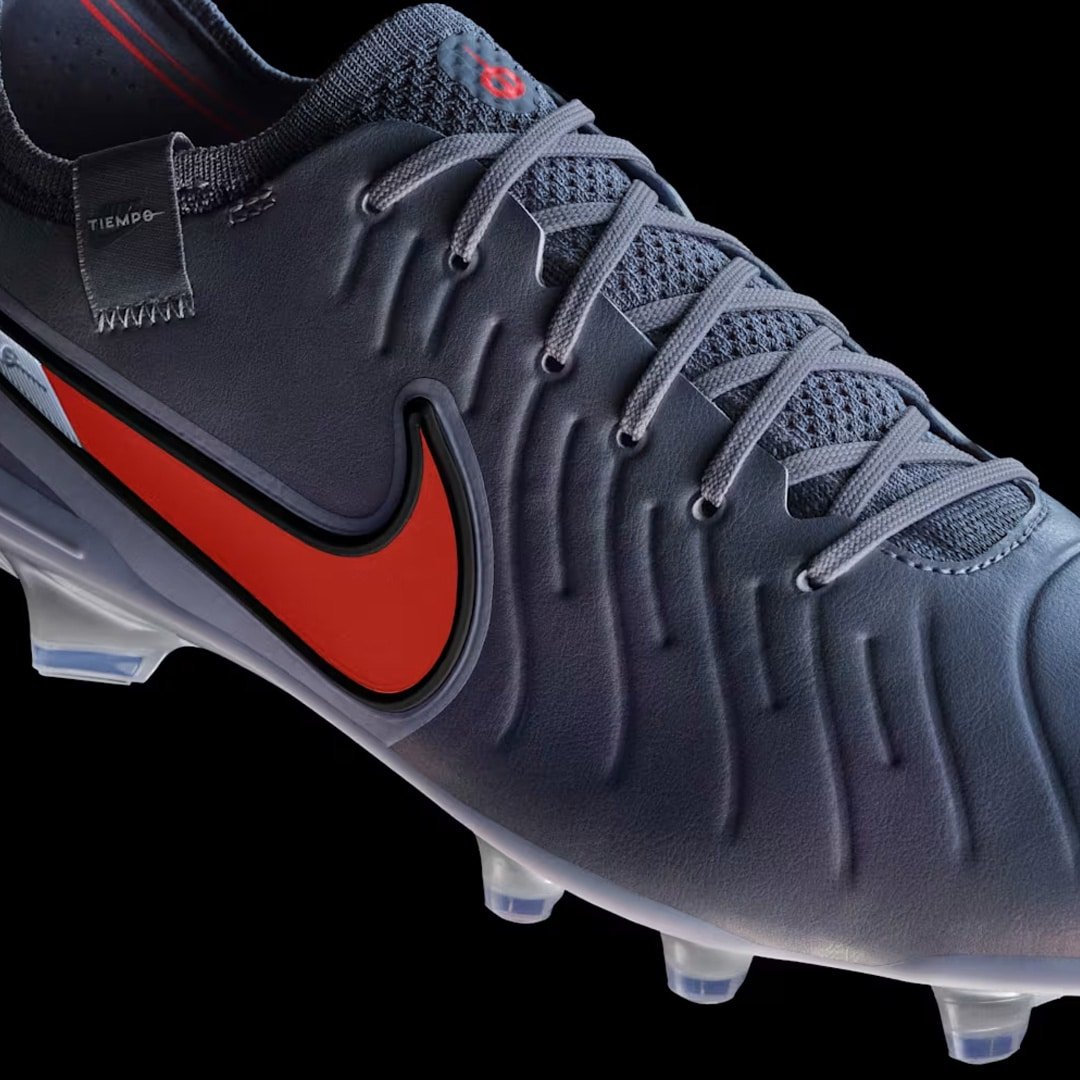
Major change of direction happened with the Tiempo Legend for its 10th and last generation launched in 2023. Nike switched the perennial K-leather boot into a synthetic leather one, harking back to the days of the CTR Maestri. They did so by incorporating a FlyTouch+ upper with an integrated Flyknit tongue.
Final Verdict
Nike set out to prove a synthetic Tiempo could earn its name, and with the Maestro they have, but the more important thing they have done is remember what the boot is for.
Nike Tiempo Maestro: My Verdict
Buy It If
- You receive constantly under pressure and play on the half-turn
- Your team’s rhythm runs through you, in midfield or from the back
- You have wide feet through the heel and midfoot
- You want a boot built for concentration across 90 minutes, not one moment of speed
Avoid It If
- Your game is built around straight-line pace
- You want the thinnest, most direct touch on the ball
- You have a narrow or long, pointed toe shape
- You’re chasing the lightest possible boot